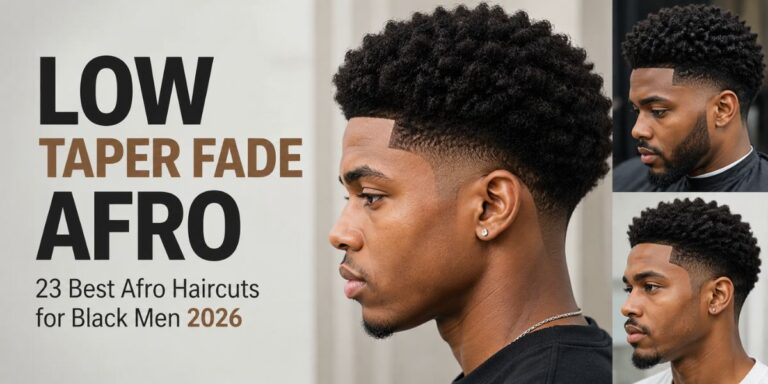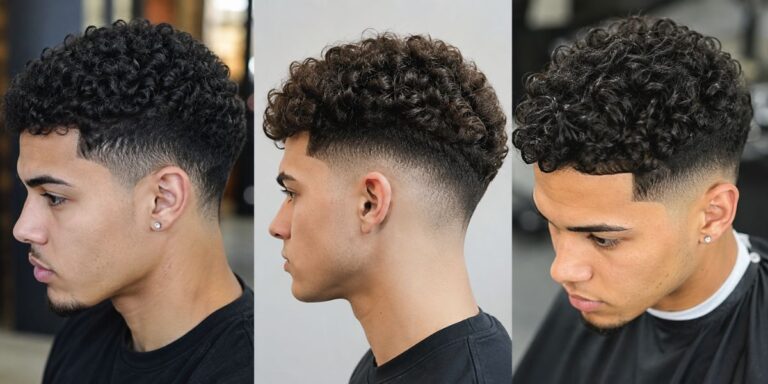
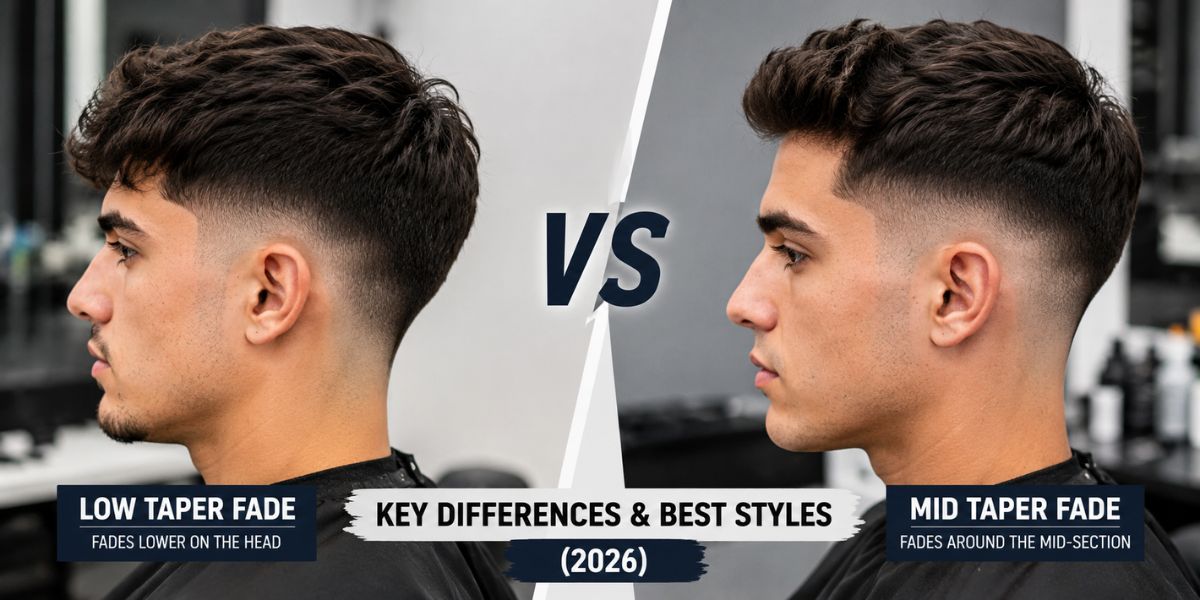
Low Taper Fade VS Mid Taper Fade – Key Differences & Best Styles (2026)
Choosing between a low taper fade and a mid taper fade is one of the most common decisions men face before sitting in the barber’s chair. Both haircuts are clean, modern, and easy to maintain, but they create very different impressions. A low taper fade keeps things soft, subtle, and professional, while a mid taper fade adds height, contrast, and a bolder edge.
In this guide, you’ll learn exactly what separates these two popular fade haircuts, the best styles for each one, and how to choose the right option based on your face shape, hair type, and lifestyle. By the end, you’ll know precisely what to say when you sit down with your barber.
What Is a Taper Fade?
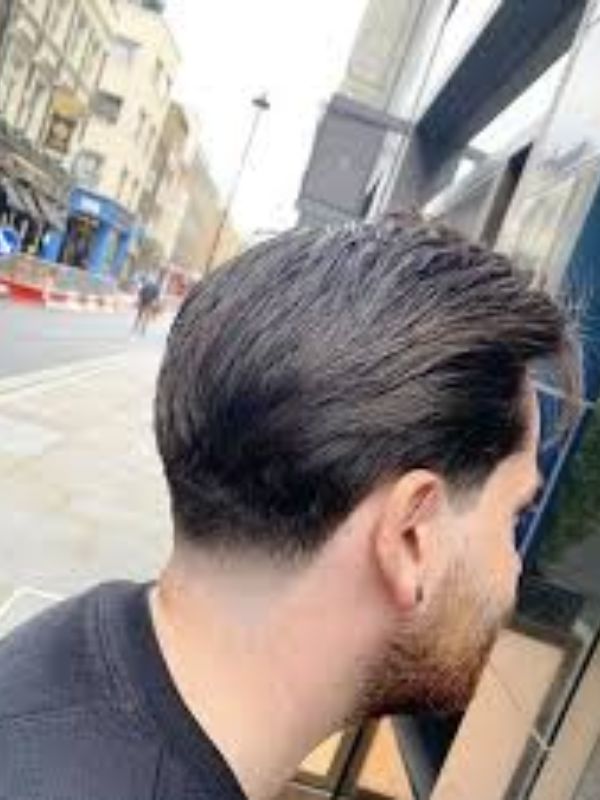
A taper fade is a haircut where the hair gradually decreases in length as it moves from the top of the head down to the sides and back. Instead of a sudden cut-off point, the hair blends smoothly into the skin or into very short hair near the hairline.
This gradual blend is what gives a taper fade its clean, polished finish. It works on almost every hair type, including straight, wavy, curly, and coarse hair, and it suits nearly every face shape. That versatility is exactly why taper fades remain one of the most requested haircuts at barbershops year after year.
The word “taper” describes the gradual shortening of hair length, while “fade” refers to how that hair blends into the skin. Together, they create a haircut that looks sharp without feeling harsh.
What Is a Low Taper Fade?
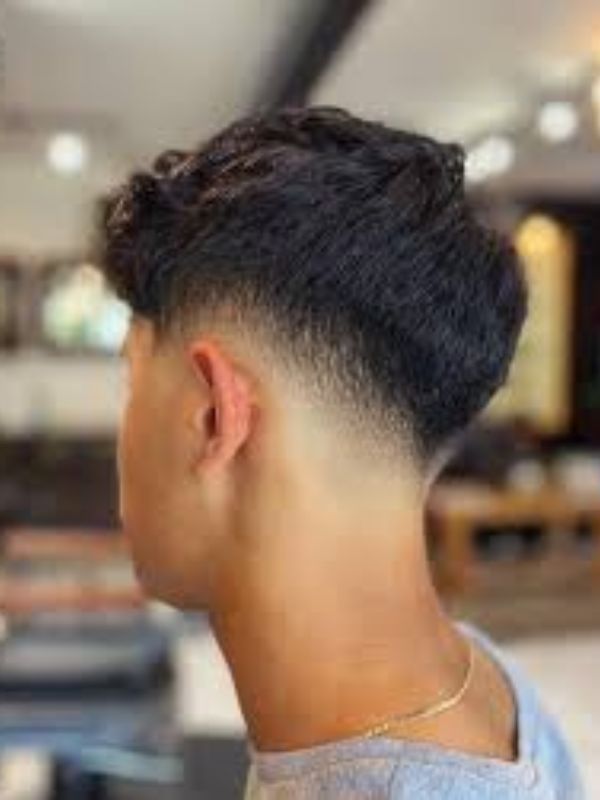
A low taper fade begins just above the ears and along the natural hairline at the back of the neck. The fading area is small, which means most of the length on the sides and back stays intact.
Because the transition happens close to the skin, a low taper fade creates a soft, understated look. It doesn’t draw much attention to the sides of your head, which makes it a favorite for office environments, formal settings, and anyone who prefers a conservative style.
Key features of a low taper fade:
- Starts just above the ear and blends into the neckline
- Keeps more hair on the sides for a fuller silhouette
- Grows out gradually without looking messy
- Works well with longer styles on top, such as side parts or slick backs
- Considered one of the safest, most versatile fade choices
What Is a Mid Taper Fade?
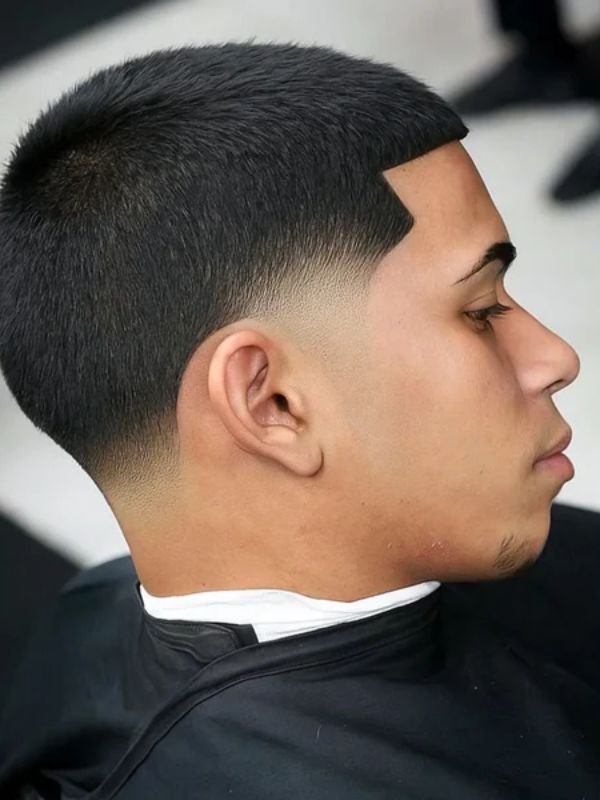
A mid taper fade starts higher up, typically around the temple area or the middle section of the head. This places the fade closer to eye level, which makes it far more noticeable than a low taper.
Because more skin is exposed on the sides, a mid taper fade creates sharper contrast between the top and sides of the haircut. It gives the overall style a more structured, fashion-forward appearance and pairs especially well with textured or voluminous tops.
Key features of a mid taper fade:
- Starts around the temples or middle of the head
- Creates a noticeable contrast between top and sides
- Adds definition and structure to the face
- Complements thicker, curlier, or wavy hair types
- Popular among men who want a trendier, more modern look
5 Best Styles of Low Taper Fade
A low taper fade is incredibly flexible and pairs well with almost any texture or length on top. Here are five of the best ways to wear it in 2026.
1. Low Taper Fade with Textured Top
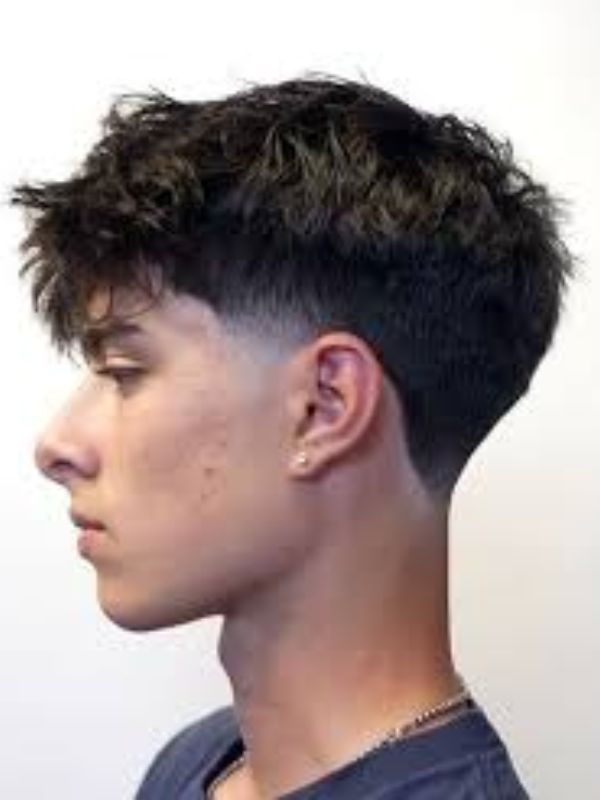
This style keeps the sides short and clean while the top is cut into choppy, textured layers. The texture adds volume and movement without looking unkempt, making it ideal for everyday wear at school, work, or casual outings.
2. Low Taper Fade with Curly Hair
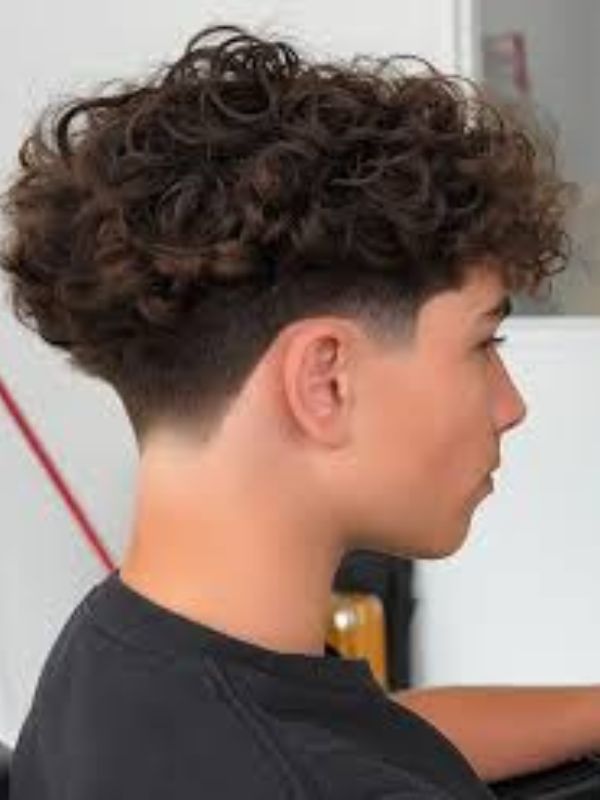
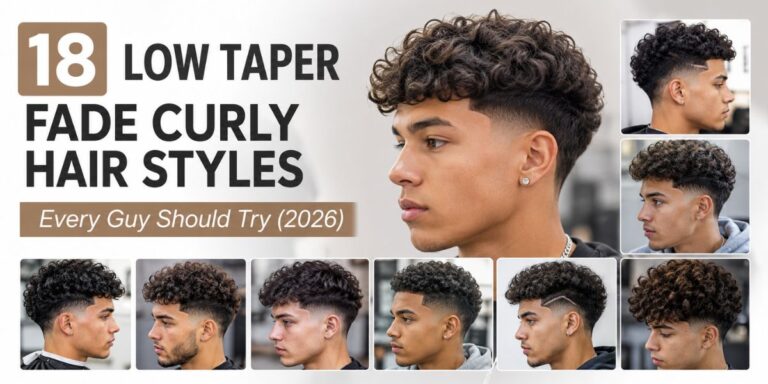
Curly hair pairs beautifully with a low taper fade because the soft blend doesn’t compete with the natural volume on top. The curls stay full and bouncy while the sides remain neat, creating a balanced silhouette that works for nearly every curl pattern.
3. Low Taper Fade with Side Part
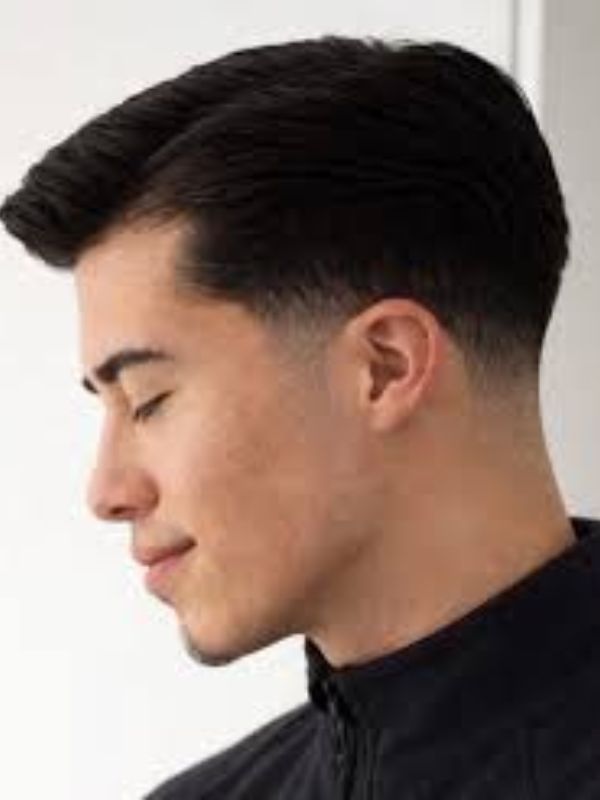
A classic side part combined with a low taper fade creates one of the most timeless, professional looks available. The defined part adds structure, while the subtle fade keeps the overall style polished and refined.
4. Low Taper Fade with Messy Layers
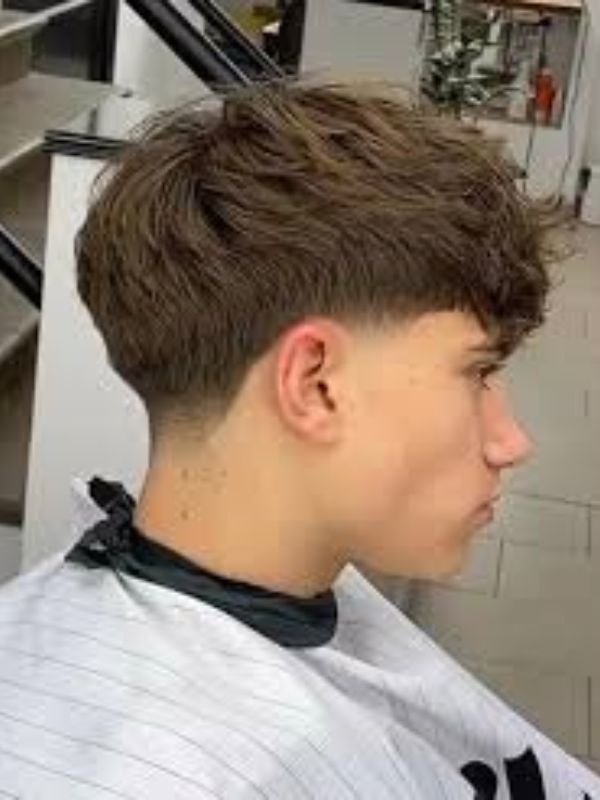
For a more relaxed, lived-in vibe, messy layers on top paired with a low taper create a casual yet stylish appearance. This look works particularly well for men who want a low-maintenance style that still looks intentional.
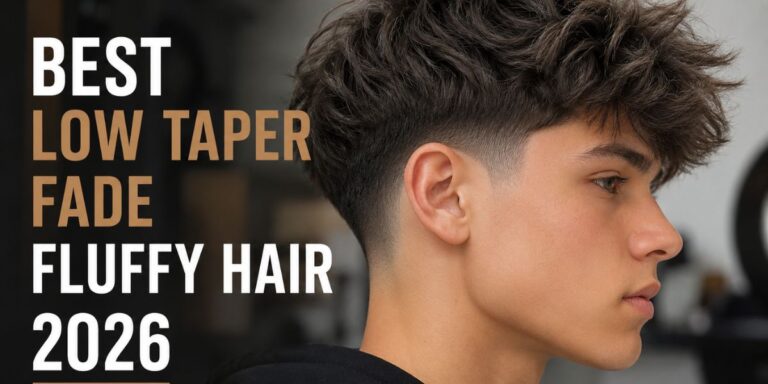
Also Read This: 19 Best Low Taper Fade Fluffy Hair Styles for 2026
5. Low Taper Fade with Fringe
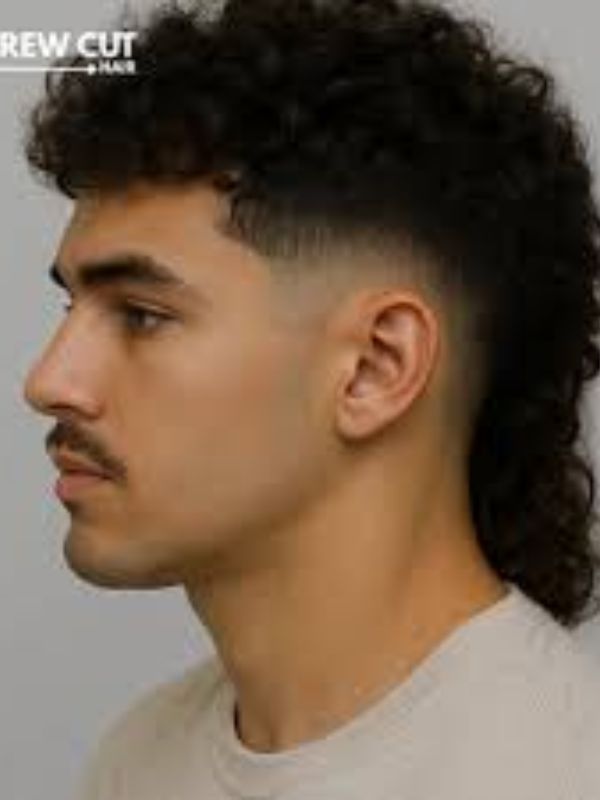
A fringe that falls naturally over the forehead, combined with a low taper fade, gives off a youthful and trendy energy. This style has become especially popular thanks to its frequent appearance in modern street style and social media trends.
5 Best Styles of Mid Taper Fade
A mid taper fade adds more contrast and works exceptionally well with styles that need a bit of height or volume. Here are five standout options.
1. Mid Taper Fade with Pompadour
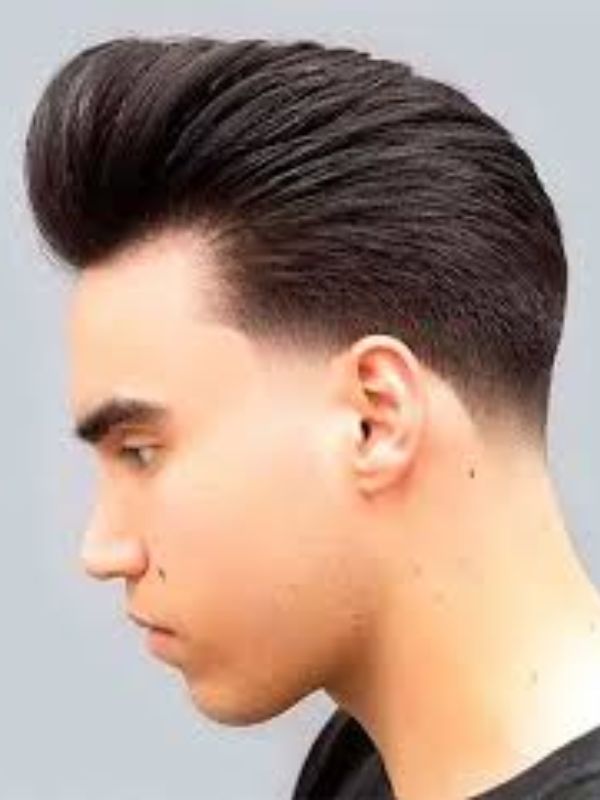
The pompadour is a classic choice for mid taper fades because the added height on top balances perfectly with the higher fade on the sides. This combination creates a sharp, sophisticated look suitable for both formal and casual settings.
2. Mid Taper Fade with Textured Crop
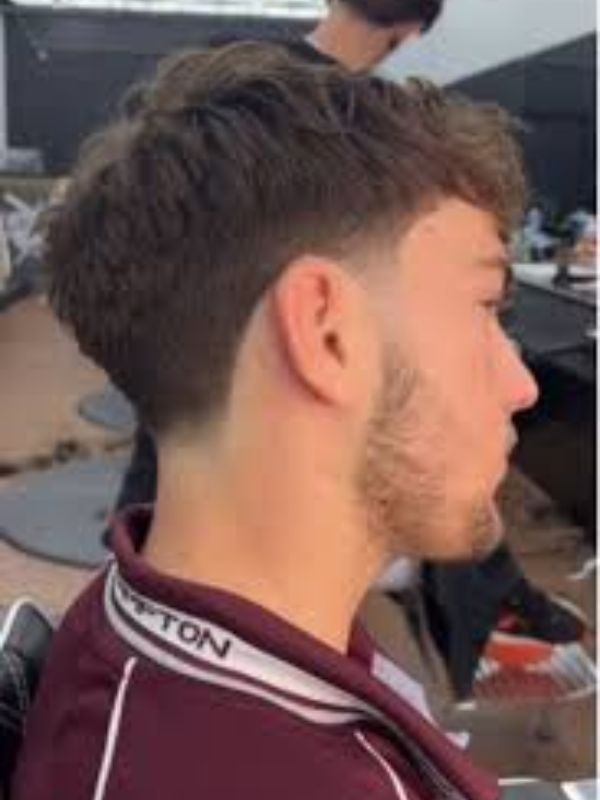
A textured crop keeps the top short and choppy, creating a modern, low-effort style that still looks deliberate. Paired with a mid taper, the contrast between the cropped top and faded sides gives the haircut a clean, contemporary edge.
3. Mid Taper Fade with Curly Top
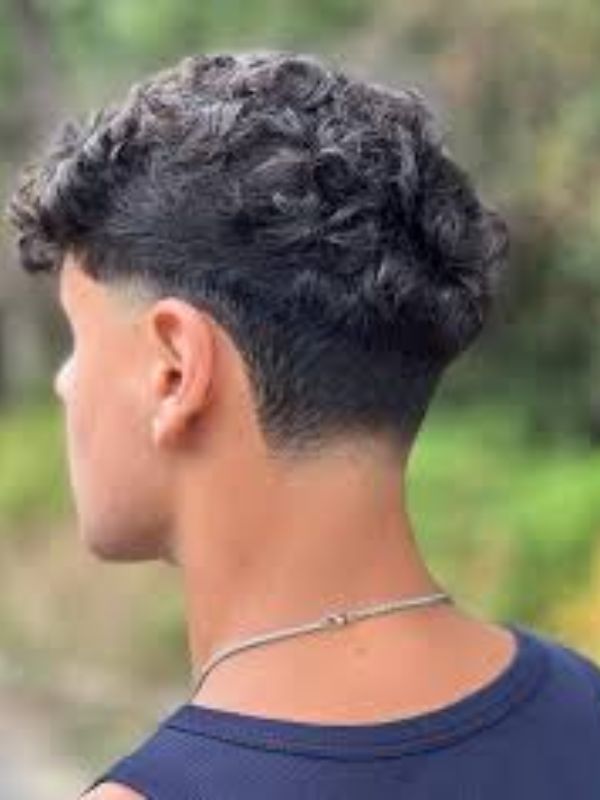
Curly or coiled hair on top, combined with a mid taper fade, creates a striking contrast between texture and precision. The higher fade helps manage volume on thicker curly hair while keeping the overall shape balanced.
4. Mid Taper Fade with Slick Back
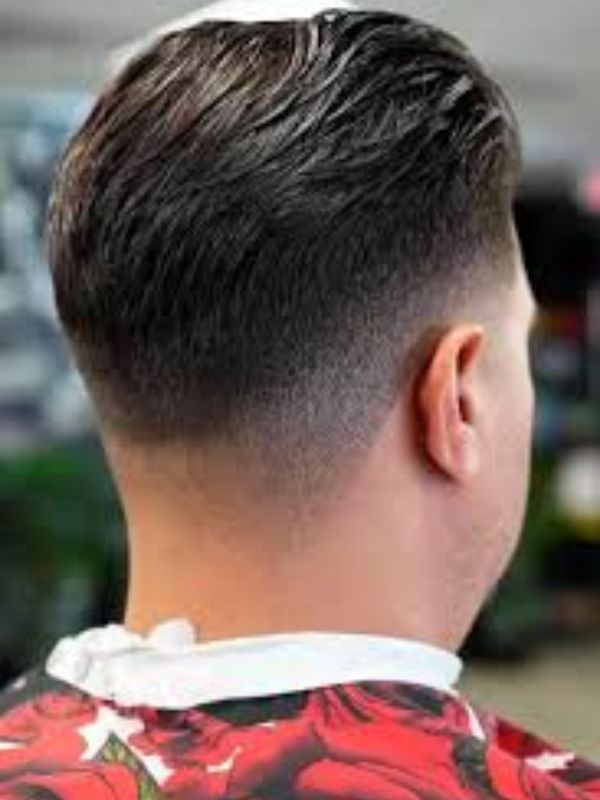
A slicked-back top with a mid taper fade is a go-to combination for men who want a sleek, business-ready appearance. The visible fade adds an extra layer of sharpness that elevates the classic slick-back style.
5. Mid Taper Fade with Spiky Hair
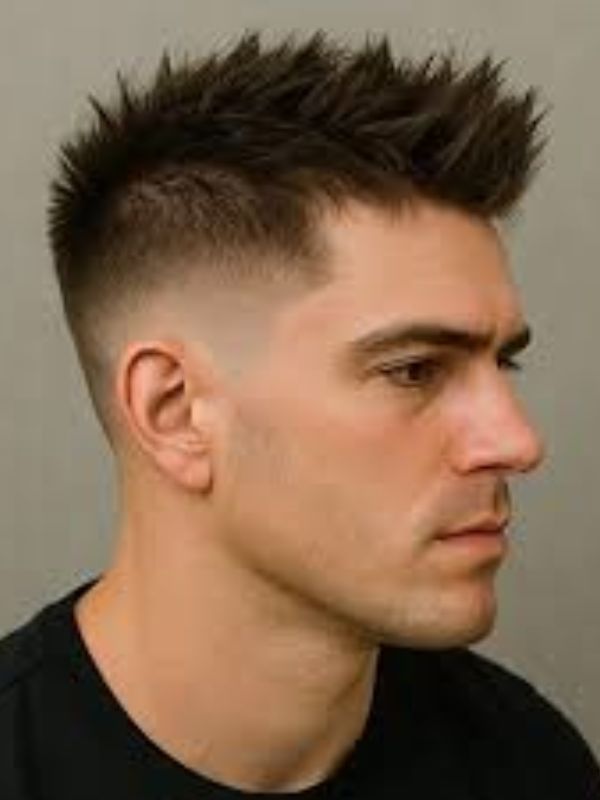
Spiky hair on top paired with a mid taper fade creates a bold, energetic look. The exposed sides emphasize the height and direction of the spikes, making this style a favorite for younger men who want a trendy, eye-catching cut.
Key Differences Low Taper Fade VS Mid Taper Fade
Understanding the core differences between these two haircuts will make it much easier to decide which one fits your style. Here’s a side-by-side comparison.
| Feature | Low Taper Fade | Mid Taper Fade |
| Fade Position | Starts just above the ears and neckline | Starts around the temples or middle of the head |
| Look & Style | Soft, subtle, natural finish | Sharper, bolder, more defined contrast |
| Maintenance | Lower upkeep; grows out smoothly | Needs more frequent trims to stay sharp |
| Best For | Professional settings, classic looks | Trendy styles, modern and edgy looks |
| Hair Type Suitability | Works great with straight or fine hair | Works great with thick, curly, or wavy hair |
Fade Position
The most fundamental difference between these two haircuts is where the fade begins. A low taper fade stays close to the hairline near the ears and neck, while a mid taper fade moves up toward the temples. This single difference in placement changes the entire look of the haircut.
Look & Style
Because of where the fade sits, a low taper fade looks more natural and understated, almost blending into everyday hairstyles without making a statement. A mid taper fade, on the other hand, creates a clear visual break between the top and sides, giving the haircut a sharper, more intentional appearance.
Maintenance
Low taper fades tend to require less frequent visits to the barber because the fade line grows out gradually without becoming noticeable. Mid taper fades, with their higher and more visible fade line, usually need touch-ups every few weeks to maintain that crisp contrast.
Best For
A low taper fade is best suited for men who want a polished, professional appearance that works in offices, schools, and formal events. A mid taper fade is best for those who want a more fashion-forward, trend-conscious look that stands out a little more.
Which One Should You Choose?
Your choice ultimately depends on three things: your lifestyle, your hair type, and the level of contrast you’re comfortable with.
- Choose a low taper fade if: You work in a formal environment, prefer a subtle and timeless look, or have straight to wavy hair that you like to keep longer on top.
- Choose a mid taper fade if: You want a bolder, more modern style, enjoy textured or voluminous haircuts, and don’t mind more frequent barber visits.
If you’re still unsure, a low taper fade is generally the safer starting point. It’s versatile enough to work almost anywhere, and you can always ask your barber to go higher on your next visit if you want more contrast.
How to Ask Your Barber
Clear communication is the key to walking out with the haircut you actually wanted. Here’s how to explain each style:
- For a low taper fade: “I’d like a low taper fade that starts just above my ears, with a soft blend into the neckline. Keep the sides natural and not too short.”
- For a mid taper fade: “I’d like a mid taper fade that starts around my temples, with a noticeable contrast between the top and sides. Please keep the blend clean and sharp.”
It also helps to bring a reference photo. Even with the right words, photos remove any guesswork and ensure both you and your barber are on the same page before the clippers come out.
How to Maintain Taper Fade Haircuts
Keeping a taper fade looking fresh doesn’t take much effort, but a few simple habits go a long way:
- Get regular trims. Visit your barber every 3–5 weeks for a low taper fade, or every 2–3 weeks for a mid taper fade to keep the fade line sharp.
- Use the right products. A light pomade or matte clay works well for textured styles, while a stronger-hold gel suits slick backs and pompadours.
- Wash with care. Use a mild shampoo a few times a week to keep your scalp healthy without stripping natural oils.
- Moisturize the scalp. A lightweight oil or moisturizer helps prevent dryness and flaking around the faded area.
- Style daily. A quick blow-dry with a brush or your fingers helps maintain volume and shape on top, even on busy mornings.
Conclusion
Both the low taper fade and mid taper fade are excellent choices that have earned their popularity for good reason. A low taper fade offers a soft, natural, and professional finish that’s easy to maintain and suits nearly every hair type. A mid taper fade brings more contrast, structure, and a trendier edge that works beautifully with textured or voluminous styles.
The right choice comes down to your personal style, your daily routine, and how much contrast you’re comfortable showing. Whichever you choose, communicating clearly with your barber and bringing a reference photo will help you walk out with a haircut you’ll love.

Anderson is a dedicated writer and content creator who enjoys sharing informative and engaging articles across a variety of topics. Through his writing, he aims to provide readers with valuable insights, fresh ideas, and easy-to-understand content every day.