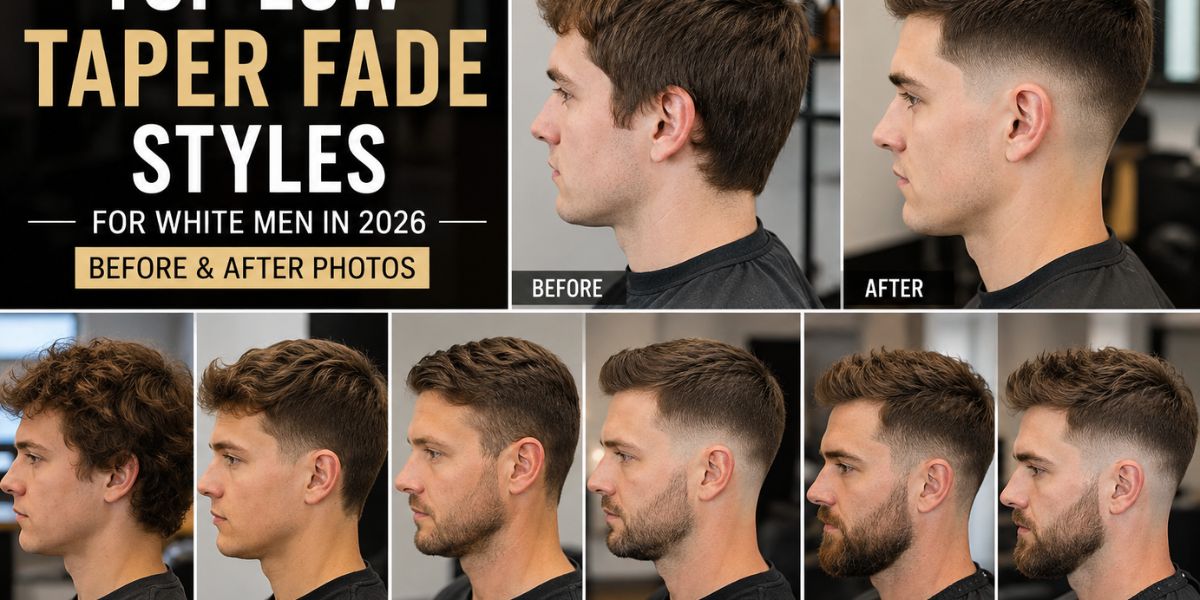
Top Low Taper Fade Styles for White Men in 2026 | Before & After Guide
If you’ve spent five minutes on social media lately, you’ve already seen it. The low taper fade is everywhere — and for good reason. It’s clean, adaptable, and works across nearly every hair type and lifestyle. But for white guys specifically, this cut hits different. It works with the natural texture of straight, wavy, or even curly Caucasian hair in a way that looks intentional rather than forced.
This guide covers the best low taper fade variations for white men in 2026, how each one looks before and after the chair, and exactly what to tell your barber.
What Is a Low Taper Fade White Guy Style?
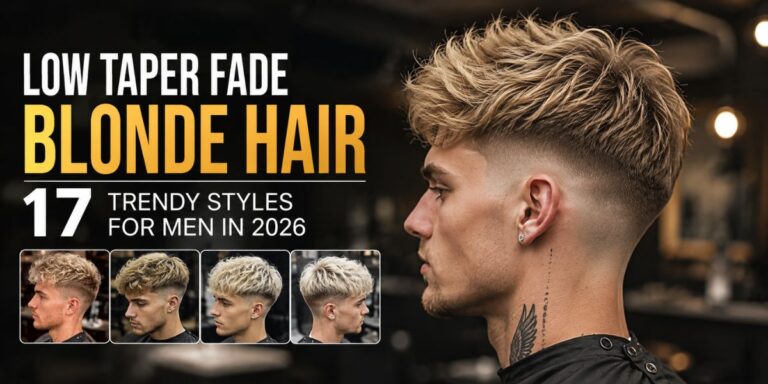
A low taper fade is a haircut where the hair gradually shortens from the top of the sides down toward the neck and ears — starting low, just above the ear line. Unlike a high fade that begins at the temples, the low taper keeps more hair on the sides, giving a softer and more conservative finish.
For white men, the low taper fade creates shape and structure without stripping away the natural weight of the hair. Since many white guys have fine to medium-textured hair, the gradual blend adds dimension and keeps the cut from looking too harsh.
Key difference at a glance:
| Feature | Low Taper Fade | High Taper Fade |
| Where fade starts | Just above the ear | At the temples |
| Side hair coverage | More hair retained | Shorter, bold sides |
| Best for | Professional & casual | Bold, edgy looks |
| Grow-out period | 4–5 weeks | 2–3 weeks |
| Face shapes | Most shapes | Oval, oblong |
The Evolution of Low Taper Fade White Guy Styles
The taper fade has roots in Black barbering culture, developed over decades as a precise, skilled technique for clean blending. By the 2010s, it crossed over into mainstream men’s grooming as barbers of all backgrounds began adapting it for different hair textures.
For white men, the real adoption came when celebrities and athletes started pairing it with classic European hairstyles — the slick back, the comb over, the textured crop. The result was a style language that felt familiar but fresh. By 2024 and into 2026, the low taper fade has become the go-to base cut for white guys who want to look sharp without going too extreme.
Today’s versions blend traditional barbershop technique with modern styling — think skin fades at the neckline, hard parts, and product-forward finishes that photograph well and hold up all day.
Low Taper Fade White Guy Hairstyles — 10 Best Variations
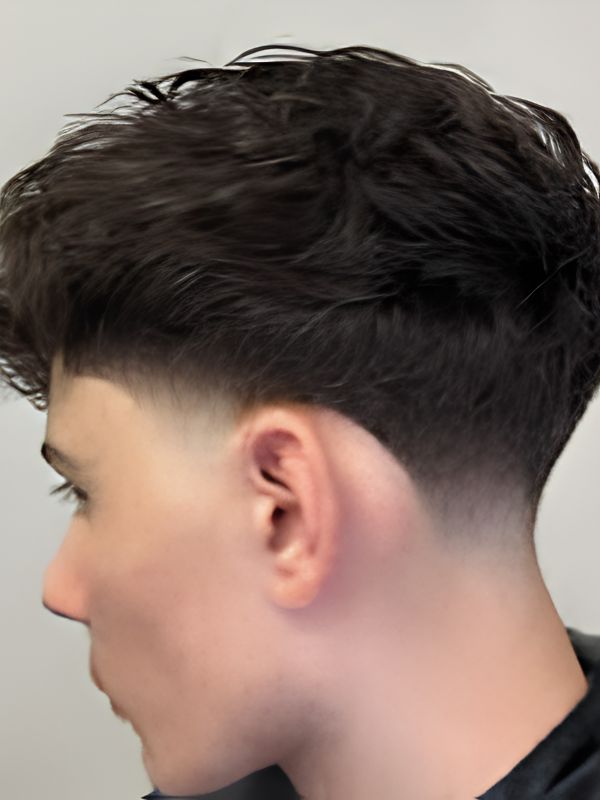
1. Low Taper Fade + Curly Hair
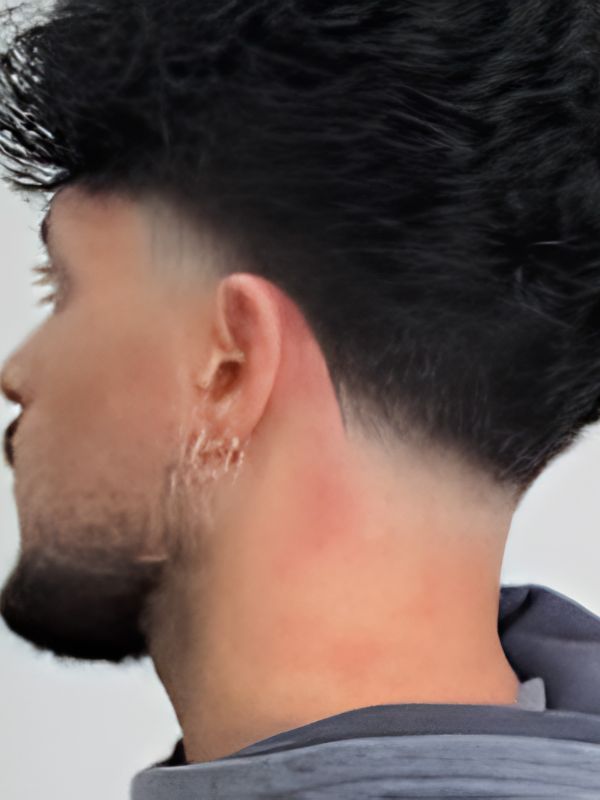
Best for: Medium to thick curly hair, oval and round face shapes
Curly hair and a low taper fade are made for each other. The fade handles the bulk and expansion on the sides, while the natural curl texture on top gets to take center stage. The result is a well-shaped, modern look that feels effortless.
Before: Undefined curls spreading wide at the sides with no clear shape.
After: Tight, defined curl structure on top with clean, graduated sides that bring the whole look into focus.
Barber instruction: Ask for the taper to begin just above the ear, blending into a skin fade at the neckline. Keep at least two to three inches on top so curls have enough length to coil properly.
Product tip: Curl-defining cream or light mousse on damp hair. Scrunch upward, then air dry or diffuse for volume.
Also Read This: 15 Best Low Taper Fade Black Haircut Styles for 2026
2. Low Taper Fade + Slick Back
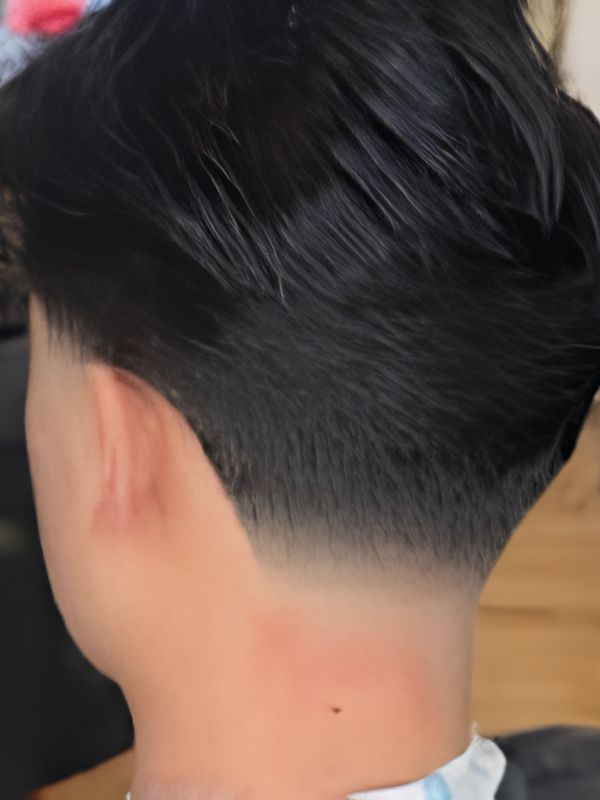
Best for: Straight to wavy hair, professional settings, oval and square face shapes
The slick back with a low taper fade is the definition of sharp and sophisticated. The sides stay tight and neat while the hair on top gets combed straight back for a smooth, polished silhouette. It’s a look that works equally well in a boardroom or on a Saturday night out.
Before: Long, flat hair with no structure, overhanging the ears and nape.
After: Sleek, backward-swept volume on top with clean faded sides that draw the eye upward.
Barber instruction: Ask for medium-length on top (three to four inches), faded low at the sides with a natural taper line.
Product tip: Medium-hold pomade or grooming cream. Comb back while damp and let it set. High-shine finish suits classic looks; matte finish works for laid-back days.
3. Low Taper Fade + Comb Over
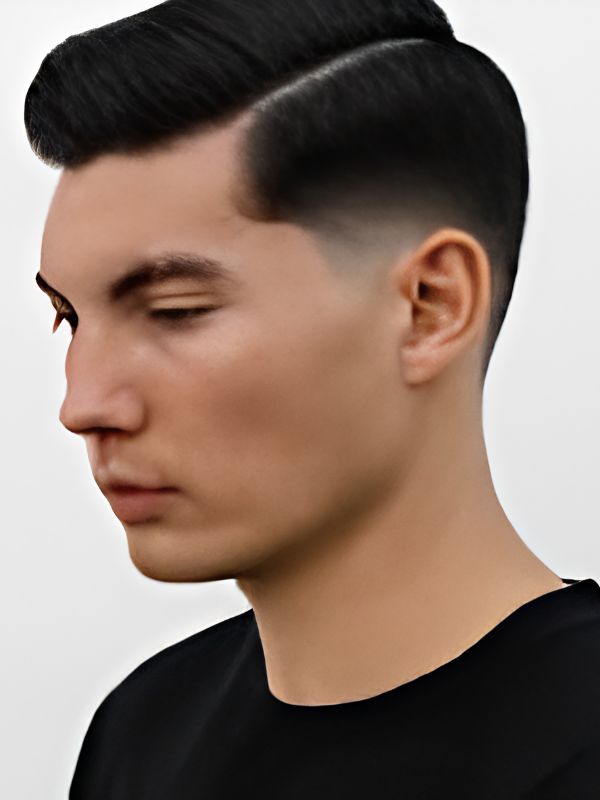
Best for: Fine or medium hair, professional environments, rectangular and oval faces
One of the most polished combinations in men’s grooming. The comb over adds a clean side part and lateral sweep across the head, while the low taper fade underneath keeps the look modern rather than old-fashioned. Add a hard part for extra definition.
Before: Side-swept hair with no structure or fade, looking flat and shapeless.
After: Defined part line, lateral volume sweep on top, and sharp faded sides that give the whole cut an architectural quality.
Barber instruction: Request a hard part shaved into the scalp at the natural part line, with a low skin fade on the shorter side.
Product tip: Pomade for a shiny, traditional finish. Matte clay for a more natural, textured look.
4. Low Taper Fade + Textured Crop / Fringe
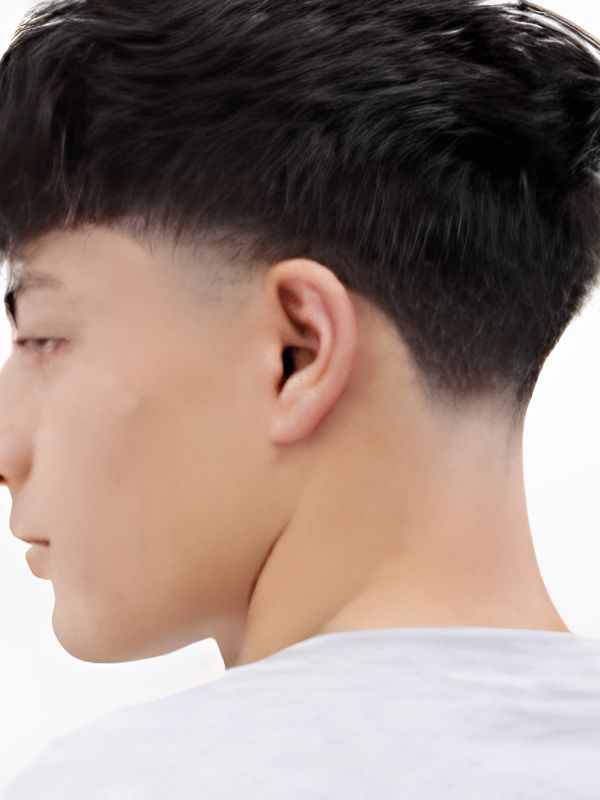
Best for: Straight or slightly wavy hair, younger guys, casual to business-casual settings
The textured crop is arguably the most popular everyday hairstyle for white men in 2026. A short, choppy top with a fringe that sits just at or above the brow — paired with a low taper fade — creates a look that’s effortlessly stylish and low maintenance.
Before: Overgrown, shapeless top with flat fringe and unkempt sides.
After: Defined, textured top with forward-falling fringe and crisp tapered sides that tighten the entire look.
Barber instruction: Ask for a textured crop on top with the fringe blunt-cut and the sides low tapered. A skin fade line-up along the forehead adds extra sharpness.
Product tip: Matte clay or paste. Apply to damp hair and use fingers to push and separate. Avoid shine products — they work against the textured finish.
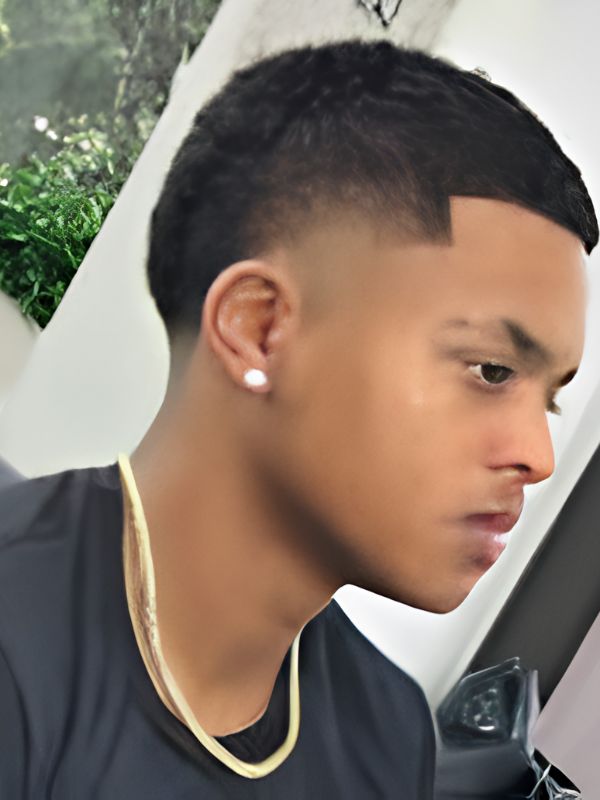
5. Low Taper Fade + Buzz Cut
Best for: All hair textures, minimal maintenance lifestyle, strong facial features
The buzz cut is the most stripped-back option on this list, and the low taper fade makes it significantly sharper. Instead of a flat uniform length all over, the taper creates a gentle gradient that adds dimension and softens the overall look.
Before: Uniform buzzed hair all over with no definition or contrast.
After: Slightly longer length on top that tapers down through the sides, creating subtle structure without adding length.
Barber instruction: Ask for a number two or three on top, tapering down to a one or skin fade at the sides and nape.
Product tip: Minimal product needed. A light moisturizer on the scalp keeps skin healthy between cuts.
6. Low Taper Fade + Undercut
Best for: Thick straight hair, bold style preferences, oblong and oval faces
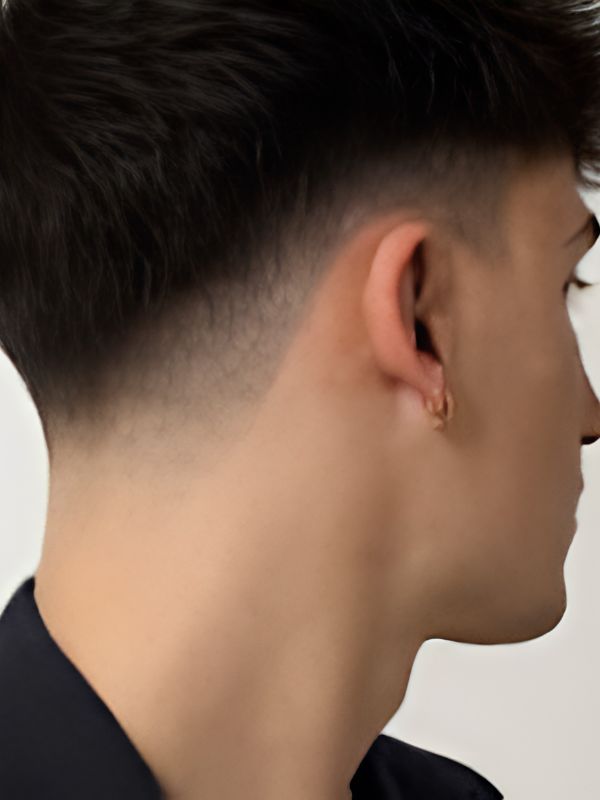
The undercut disconnects the top section from the sides completely, creating a strong visual contrast. When paired with a low taper fade — rather than a harsh disconnect line — the result is bolder than a standard taper but cleaner than a full undercut.
Before: Heavy, bulk hair sitting flat on top with sides that blend into nothing.
After: Clear separation between longer, voluminous top and tightly faded sides — strong contrast with a modern edge.
Barber instruction: Ask for a disconnected undercut with a low taper at the sides rather than a full skin shave. This softens the contrast while keeping the drama.
Product tip: Blow dry the top upward for volume. Use a strong-hold clay or fiber paste for structure throughout the day.
7. Low Taper Fade + Dreads / Locs
Best for: White guys with natural or cultivated locs, round and oval face shapes
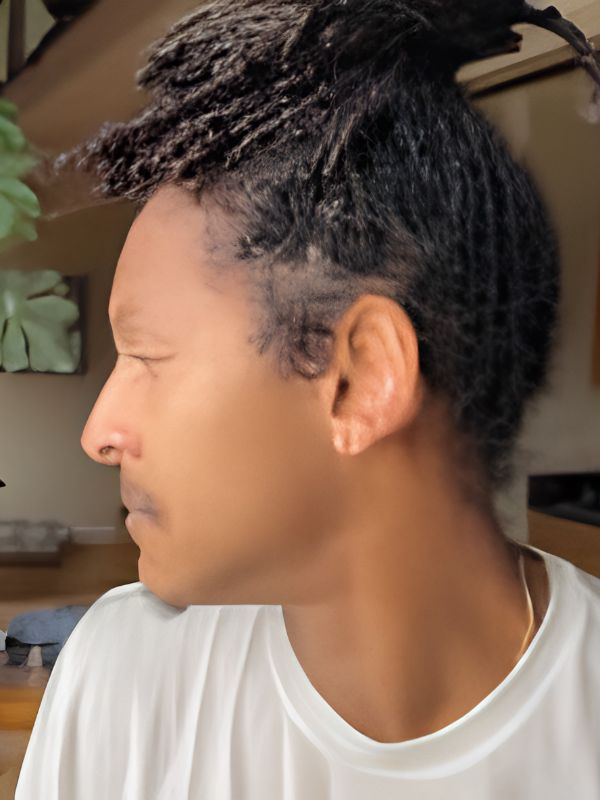
Yes — low taper fades and locs are a thing, and they look sharp. Keeping the sides faded short while the dreads or locs build length on top creates a striking contrast between the natural texture above and the clean cut below.
Before: Locs that widen and spread at the ears with no defined boundary between top and sides.
After: Clean, graduated fade that frames the locs and focuses all the texture where it belongs — on top.
Barber instruction: Request a low skin fade at the neckline and around the ears, with care taken not to disturb any loc structure close to the part line.
Product tip: Use a locking gel or loc cream to keep the dreads moisturized and defined. Keep the faded areas clean with regular barber visits every three to four weeks.
8. Low Taper Fade + Afro (Naturally Curly / Afro-Textured Hair)
Best for: White or mixed-heritage men with naturally tight curls or Afro-textured hair
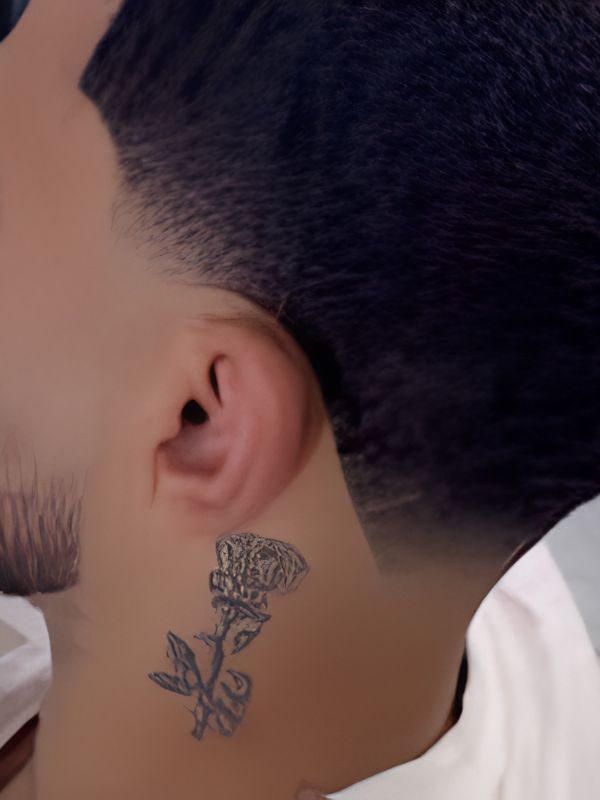
This combination celebrates natural curl and coil patterns at full volume on top while the low taper fade at the sides keeps the shape intentional and balanced. The contrast between the full crown and the clean taper gives the afro a defined silhouette.
Before: Natural curls expanding outward in all directions with no shaping.
After: Full, rounded afro shape on top with neat, faded perimeter that makes the silhouette look sculpted rather than accidental.
Barber instruction: Ask for the low taper to start just above the ear and circle around the neckline, keeping the fade gradual to preserve as much top density as possible.
Product tip: Curl sponge and moisturizing pomade for hold and definition. Twist-and-stretch method on damp hair for added coil definition.
9. Low Taper Fade + Side Part
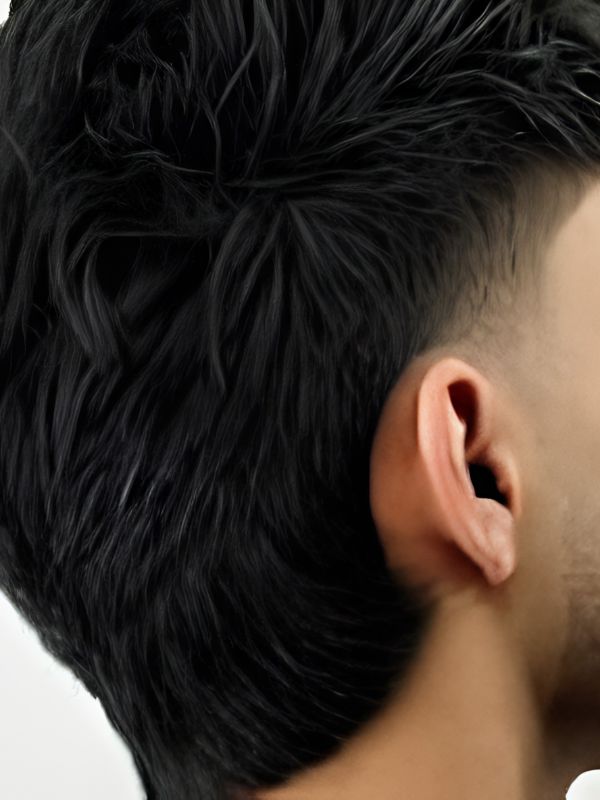
Best for: All hair textures, office or formal environments, most face shapes
The side part is one of the most timeless looks in men’s grooming — a crisp, defined line that separates the hair into two sections, with the longer side swept across. The low taper fade underneath keeps it modern and relevant without losing the classic feel.
Before: Natural side part with no sharpness and blunt, unstyled sides.
After: Clean, defined part — sometimes hard-shaved — with a low fade that gradually transitions from full on top to minimal at the neckline.
Barber instruction: Ask for a natural or hard part at your existing part line, with a low skin fade on the shorter side and a low taper on the longer side.
Product tip: Pomade for a glossy, formal finish. Water-based product washes out easily and holds the part throughout the day.
10. Low Taper Fade + Blowout
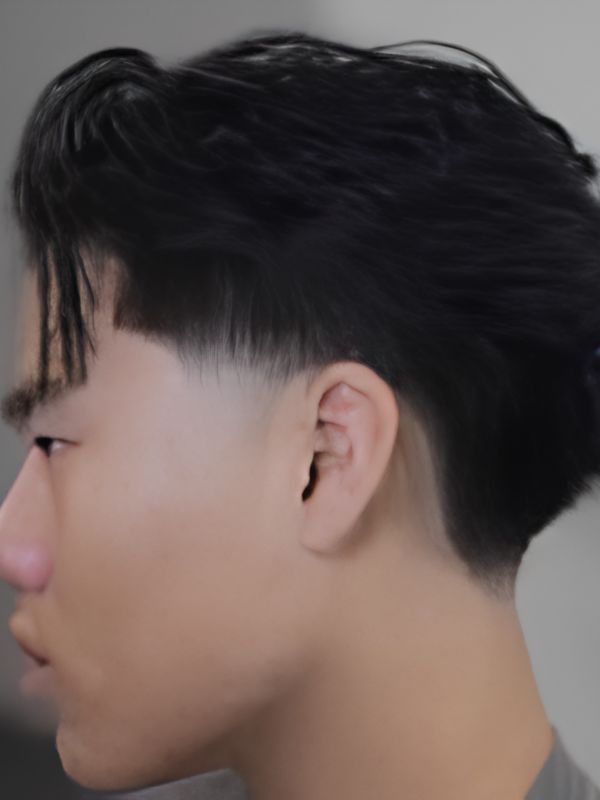
Best for: Wavy or thick hair, guys who want volume, oval and square faces
The blowout maximizes volume on top using heat and product to lift the hair outward and upward. Combined with a low taper fade, it creates a dramatic height contrast — big on top, tight on the sides — without needing extreme lengths.
Before: Flat, dense hair sitting close to the head with no volume or lift.
After: Full, rounded volume on top with skin-tight or very short tapered sides that amplify the height and puff of the blowout.
Barber instruction: Ask for a low skin fade at the sides and nape, keeping the top long enough for lift — typically three to four inches.
Product tip: Blow dry with a round brush or vent brush while using a volumizing mousse. Finish with a light-hold hairspray to keep the volume in place.
Quick Style Selector — Which Cut Is Right for You?
| Your Hair Type | Recommended Style |
| Fine, straight | Textured crop, comb over, side part |
| Thick, straight | Slick back, undercut, blowout |
| Wavy | Slick back, side part, blowout |
| Natural curls | Curly fade, afro fade |
| Locs / Dreads | Low taper + locs |
| Any type (minimal effort) | Buzz cut fade |
What to Tell Your Barber
Walking in with a reference photo always helps. But if you want to describe it clearly, use this script:
“I want a low taper fade — start the fade just above my ear and taper down to a skin fade at the neckline. Keep the sides blended with no harsh lines. On top, I want [your chosen style].”
If you want a hard part: “Can you shave in a hard part on my natural part line?”
If you want it conservative: “Keep the taper darker at the temple and just clean up the neckline with a skin fade.”
Conclusion
The low taper fade is one of those rare haircuts that earns its reputation. It’s not a trend that fades — it’s a foundational style that adapts to whatever you put on top of it. Whether you’re going clean and professional with a slick back, relaxed and textured with a crop, or bold and voluminous with a blowout, the low taper gives you a polished base that makes every look feel intentional.
For white guys in particular, this cut works naturally with most hair types and grows out gracefully — meaning fewer urgent barber appointments and more time looking sharp between them. Pick your style, save a reference photo, and bring it to your barber. The transformation is worth it.

Anderson is a dedicated writer and content creator who enjoys sharing informative and engaging articles across a variety of topics. Through his writing, he aims to provide readers with valuable insights, fresh ideas, and easy-to-understand content every day.