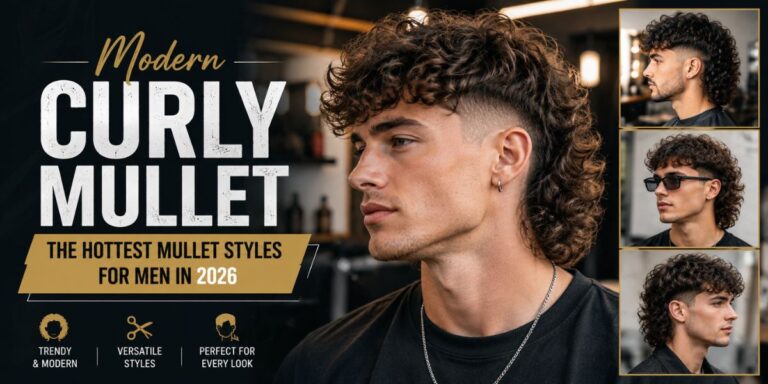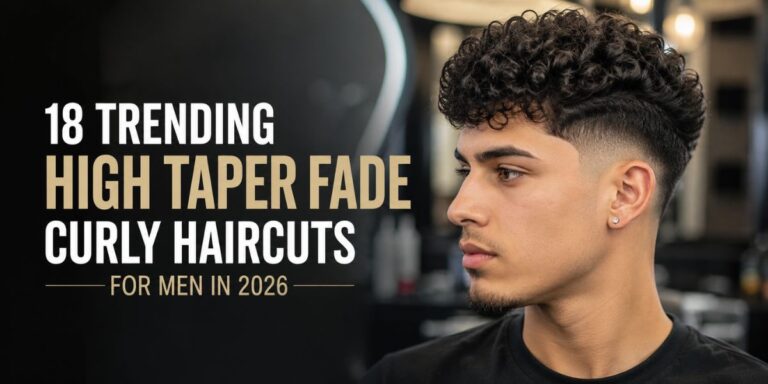
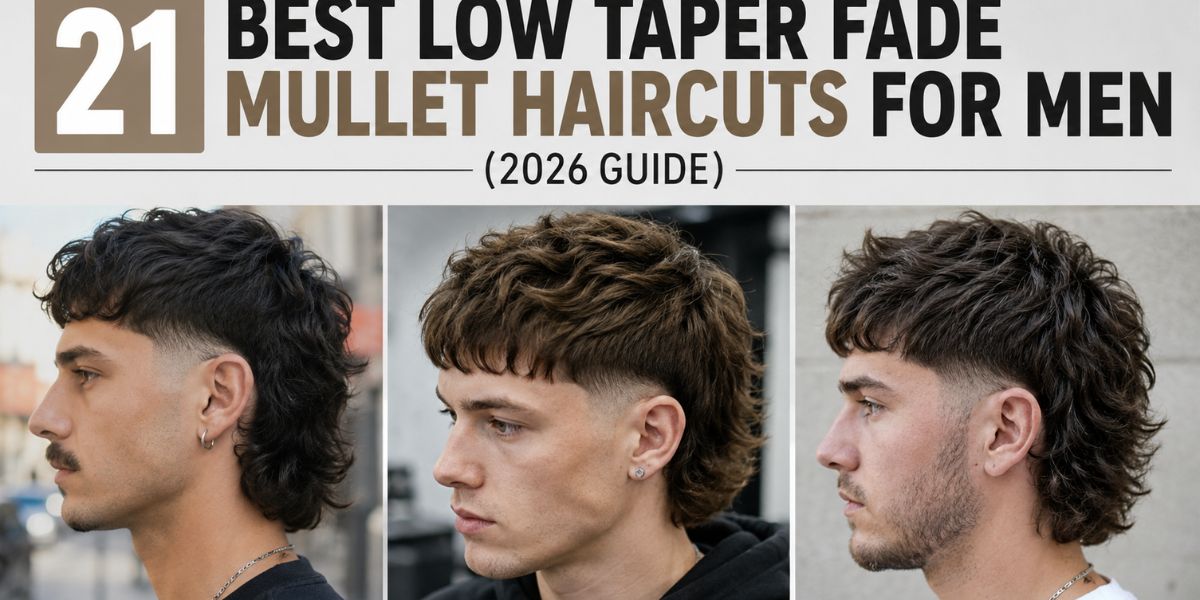
21 Best Low Taper Fade Mullet Haircuts for Men (2026 Guide)
If you’ve been scrolling through barbershop feeds lately, you’ve probably noticed one style dominating the feed — the low taper fade mullet. It’s bold, it’s clean, and somehow it manages to feel both retro and completely fresh at the same time. Once labeled the hairstyle that fashion forgot, the mullet has made one of the most triumphant comebacks in modern men’s grooming — and the addition of a low taper fade is exactly what made that comeback stick.
In this guide, you’ll find the 21 best low taper fade mullet haircuts for men, covering every style from classic to curly, short to long, casual to clean. Whether your hair is thick, thin, straight, or wavy, there’s a version of this cut that will work for your face shape, lifestyle, and personal vibe. We’ve also included expert tips on how to talk to your barber and maintain the look between visits.
What Is a Low Taper Fade Mullet?
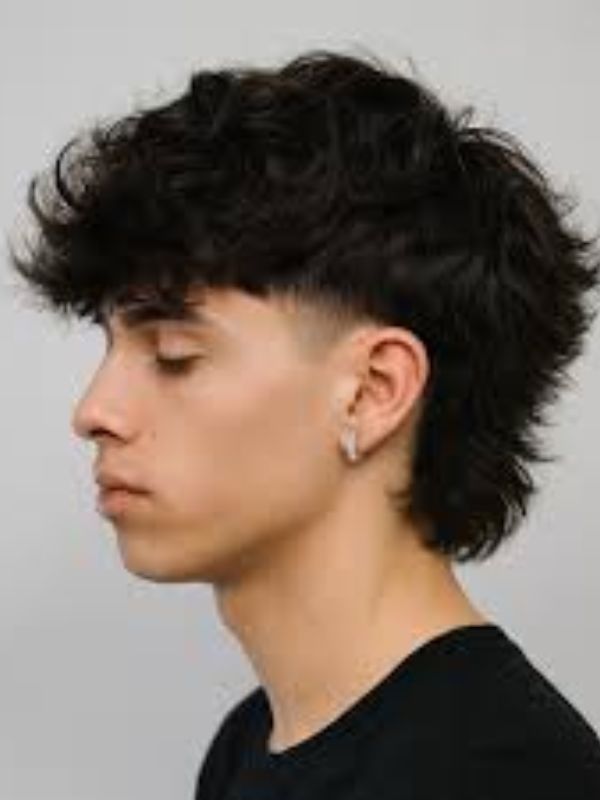
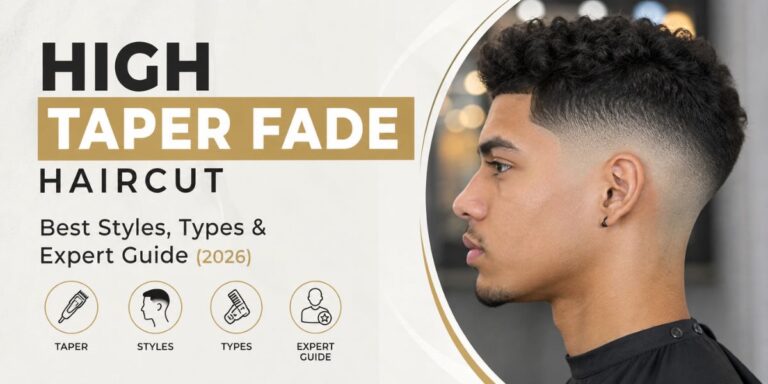
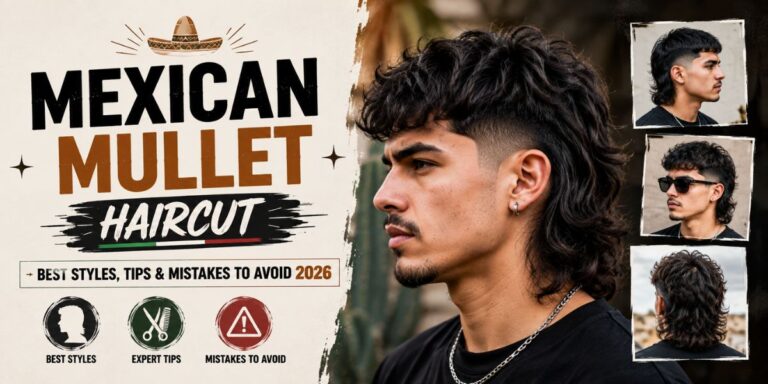
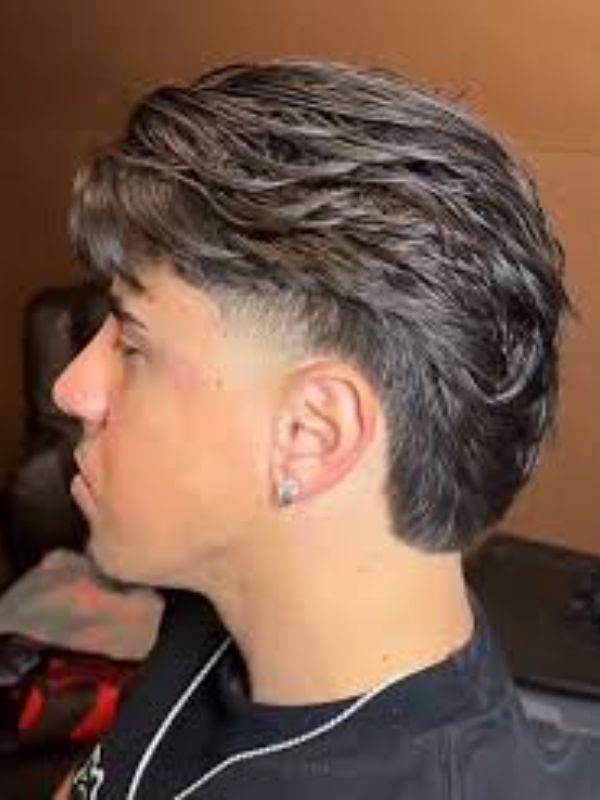
A low taper fade mullet combines two iconic elements of men’s haircutting into one versatile, head-turning style. The “mullet” refers to the signature shape — shorter at the front and sides, with noticeably longer hair at the back. The “low taper fade” describes how the sides are cut: the hair gradually shortens as it moves down toward the ears and neckline, creating a smooth, seamless blend rather than a sharp or abrupt line.
What separates a low taper from a mid or high taper is the starting point of the fade. With a low taper, the fade begins just above the ears, keeping more length and weight on the sides. The result is a softer, more natural-looking transition that works across hair types and doesn’t demand as frequent touch-ups as a skin or high fade.
The combination creates a haircut that is simultaneously structured and free — clean on the sides, with personality pouring out the back.
Why Choose a Taper Fade Mullet?
There are plenty of reasons why this haircut has become one of the most-requested styles in barbershops from Seoul to Sydney. Here’s what makes it worth considering:
- Versatility — Works with straight, wavy, curly, and coily hair textures
- Low maintenance (relatively) — The low fade doesn’t require weekly touch-ups like a skin fade
- Face-shape friendly — The length at the back and volume on top can be adjusted to flatter most face shapes
- Style range — Dresses up for an event or keeps things casual on weekends without changing the cut
- Trending — TikTok videos tagged with mullet fade-related content have accumulated hundreds of millions of views, and barber surveys consistently show increased client demand for this style
- Grows out gracefully — Unlike a skin fade, the low taper ages well between visits, usually looking sharp for 3–4 weeks
| Feature | Low Taper Fade Mullet | Regular Mullet | High Taper Fade |
| Maintenance frequency | Every 3–4 weeks | Every 4–6 weeks | Every 2–3 weeks |
| Fade visibility | Subtle and natural | None | High contrast |
| Best for | All hair types | Thick/wavy hair | Oval/angular faces |
| Style range | Casual to semi-formal | Casual | Casual to edgy |
| Grow-out appeal | Very good | Good | Fair |
21 Low Taper Fade Mullet Haircuts for Men
1. Classic Style
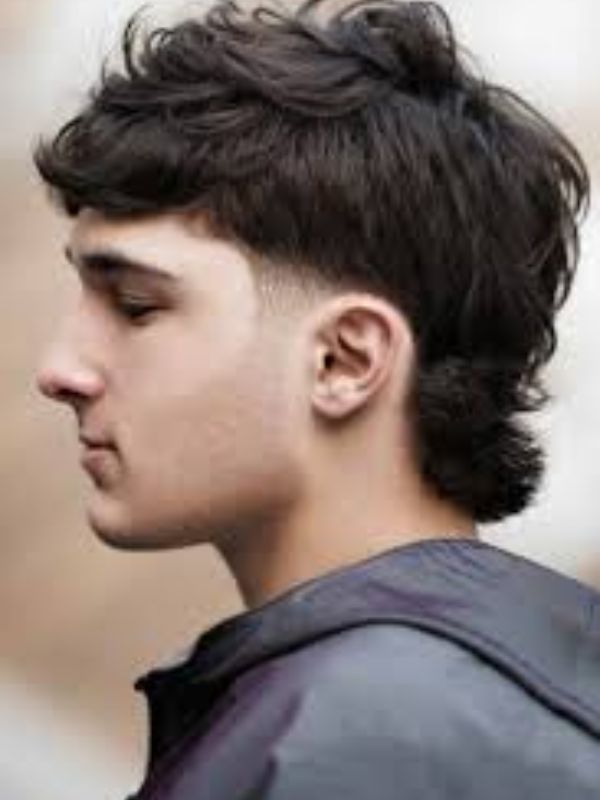
The classic low taper fade mullet stays true to the original blueprint — short on top and sides, noticeably longer at the back. The fade starts just above the ear and blends down to the natural hairline without skin showing. This is the entry point for anyone new to the style, and it looks sharp without feeling extreme.
Best for: All face shapes | Styling tip: A small amount of light pomade brings definition without stiffness.
2. Modern Style
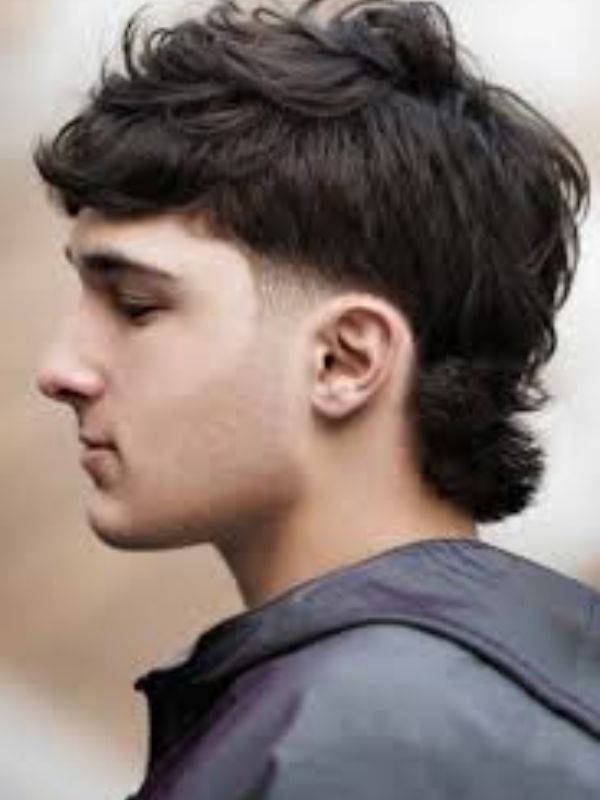
The modern interpretation strips away the excess bulk of the vintage version and replaces it with clean lines, refined texture on top, and a controlled length at the back. The silhouette is more sculpted and intentional — versatile enough for a creative workspace and put-together enough for a weekend event.
Best for: Oval and square face shapes | Styling tip: Blow-dry with a round brush for a smooth, structured finish.
3. Messy Style
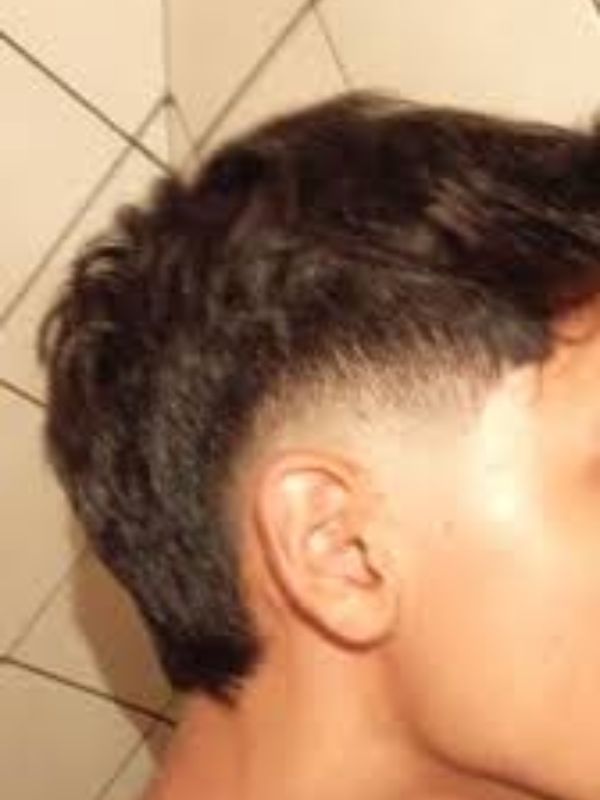
Not every guy wants precision. The messy taper fade mullet leans into natural texture — the top and back stay slightly disheveled while the low taper keeps the sides from looking unkempt. It’s the kind of haircut that looks like minimal effort but still turns heads.
Best for: Wavy and thick hair | Styling tip: Work matte clay through damp hair with your fingers and let it air-dry for effortless texture.
4. Short Hair Style
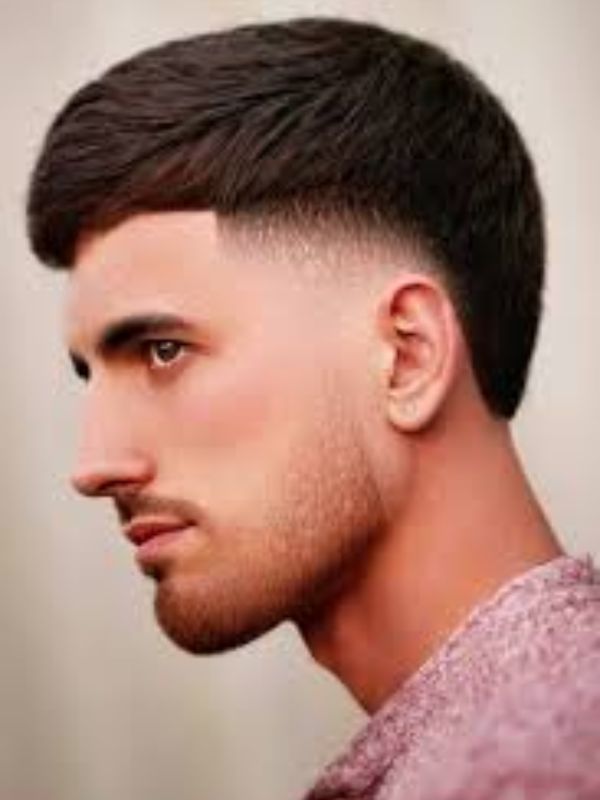
For men who aren’t ready to commit to dramatic back length, the short mullet variation keeps the rear section only slightly longer than the top. The taper fade adds sharpness and definition without the cut feeling too bold. It’s a subtle nod to the mullet that reads more as a textured fade than anything retro.
Best for: Straight and thin hair | Styling tip: Light pomade or paste works well to define the shape without adding weight.
5. Long Back Hair Style
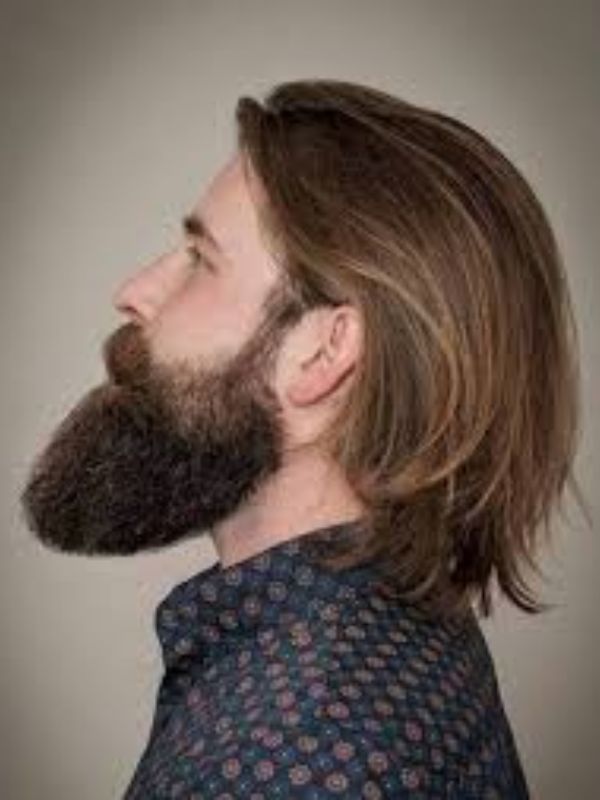
On the opposite end of the spectrum, the long back mullet lets the rear section flow to the collar or below. The dramatic length contrast against the closely tapered sides creates a striking, high-impact look. This version is unapologetically bold and suits men who want their hairstyle to make a statement.
Best for: Thick, healthy hair with natural movement | Styling tip: Apply a heat protectant and use a blow dryer to add volume and direction before finishing with light oil for shine.
Also Read This: 27 Trendy Low Taper Fade Fringe Haircuts for Men 2026
6. Taper Fade Mullet Asian Style (K-Pop Inspired)
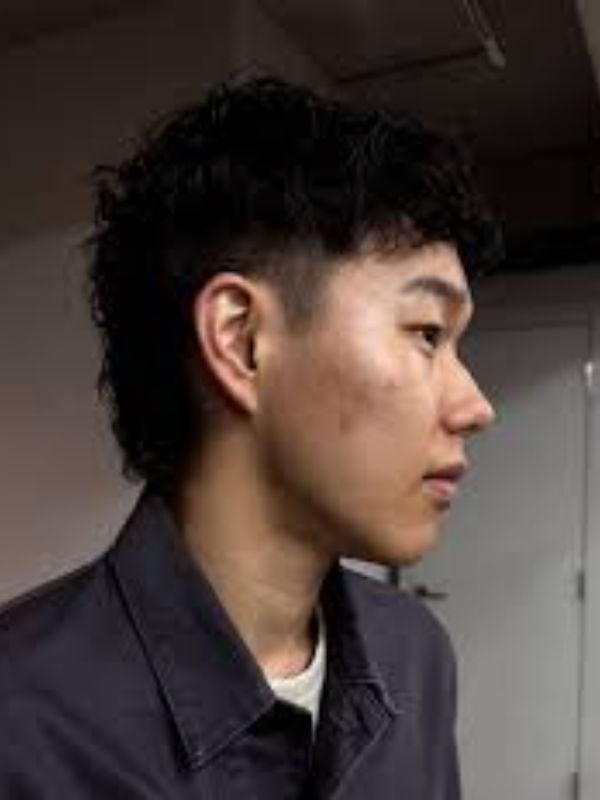
The Asian-inspired taper fade mullet — sometimes called the Two-Block Mullet — has exploded in popularity thanks to K-pop culture and the global spread of Korean barbering aesthetics. It features a clean, disconnected top section with a softly tapered undercut and a longer back that can be styled sleek or textured.
Best for: Straight, fine-to-medium Asian hair | Styling tip: Blow-dry for volume at the roots and use a styling cream for separation and softness.
7. Taper Fade Mullet Curly Style
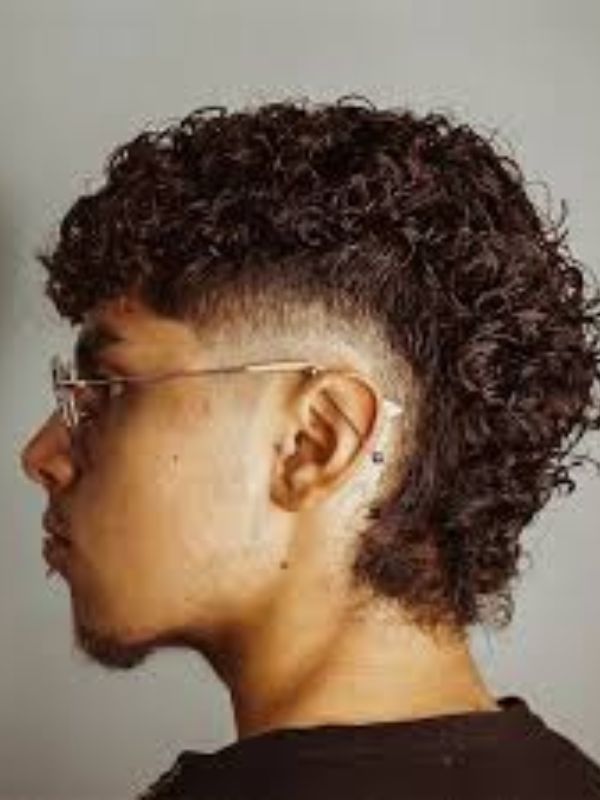
Curly hair and the low taper fade mullet are a natural match. The curls at the top and back provide organic volume and movement, while the tapered sides keep the overall shape controlled. When done well, this version has an energy to it — the kind of haircut that genuinely looks better as the day goes on.
Best for: Men with natural curl patterns (Type 2c–4a) | Styling tip: Define curls with a curl cream or leave-in conditioner, scrunching upward to encourage the pattern.
8. Mullet Straight Hair Style
Straight hair plays with shape rather than texture, giving this version a glassy, architectural quality. Every angle of the cut is visible and precise. The low taper creates sharp contrast without harshness, and the result is a clean, minimalist take on the mullet that feels more polished than retro.
Best for: Fine to medium straight hair | Styling tip: A small amount of light wax applied to dry hair brings definition without any heaviness.
9. Taper Fade Mullet Textured Style
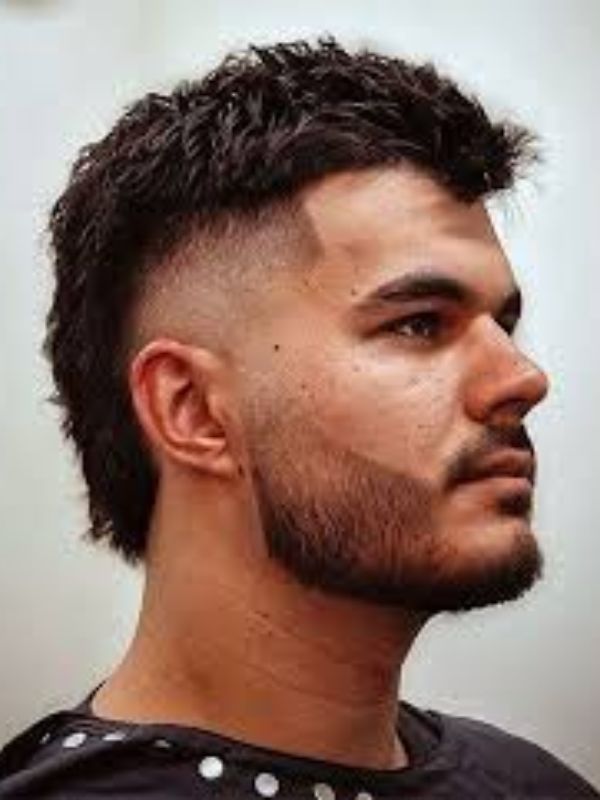
Texture is everything in this variation. The top is cut with point-cutting or razor techniques to create separation and movement, while the back is layered for a flowing, dimensional feel. The low fade keeps it grounded. This works especially well for men with naturally thick or dense hair that needs visual lightening.
Best for: Thick, dense hair | Styling tip: Sea salt spray on damp hair, then diffuse or air-dry for natural texture.
10. Taper Fade Mullet Wavy Style
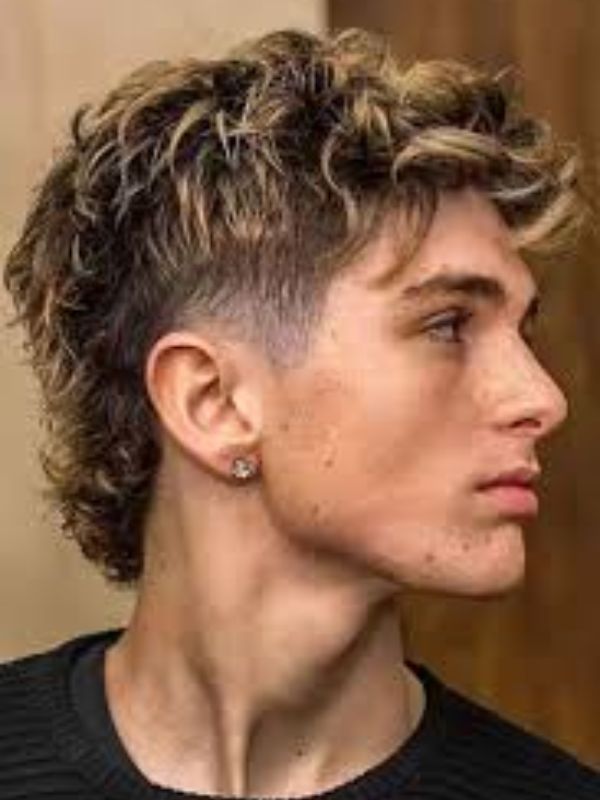
Wavy hair lands in the sweet spot between straight and curly — enough movement to add life to the shape, enough control to keep things clean. The low taper fade frames the face neatly while the waves through the top and back give the cut a relaxed, sun-kissed energy.
Best for: Type 2a–2c wavy hair | Styling tip: Mousse applied to damp hair, followed by diffusing on a low heat setting, preserves the wave pattern beautifully.
11. Taper Fade Mullet Thin Hair Style
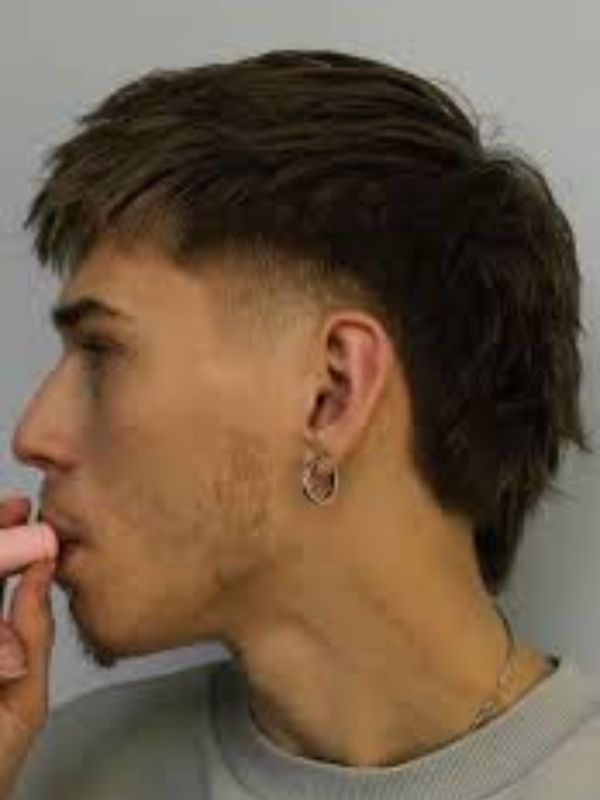
Thin hair requires a thoughtful approach to the mullet, but it absolutely works. Keeping the back shorter prevents limpness, while a soft taper (rather than a hard fade) maintains natural density at the sides. Layers through the top add the illusion of fullness.
Best for: Fine or thin hair | Styling tip: Volumizing mousse at the roots and a blow-dry with a brush lifts the hair and adds body without product heaviness.
12. Taper Fade Mullet Thick Hair Style
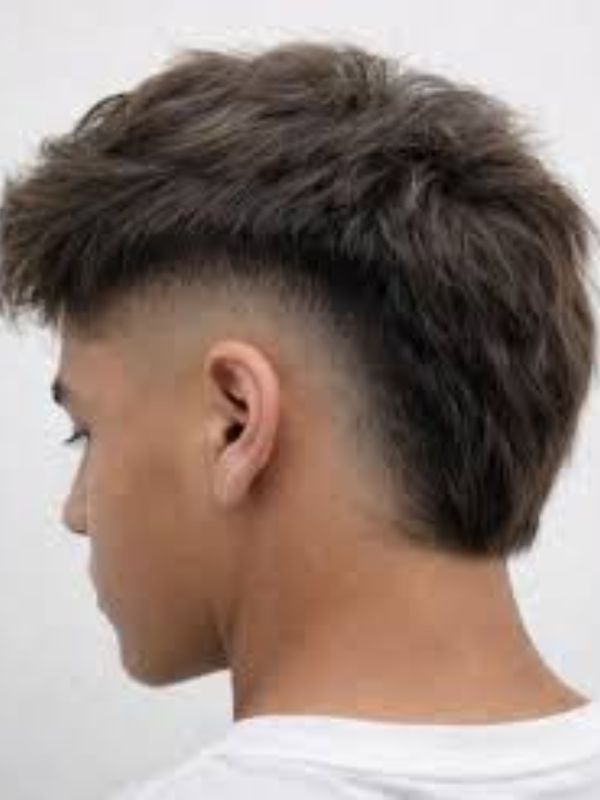
Thick hair gives barbers plenty to work with, but without proper debulking it can look shapeless. The low taper handles the sides efficiently, while layers and point-cutting through the back remove bulk and encourage movement. This version looks naturally full and intentional.
Best for: Coarse or dense thick hair | Styling tip: Ask your barber for internal layers on the back section. Matte paste works better than pomade for control without shine.
13. Taper Fade Mullet Middle Part
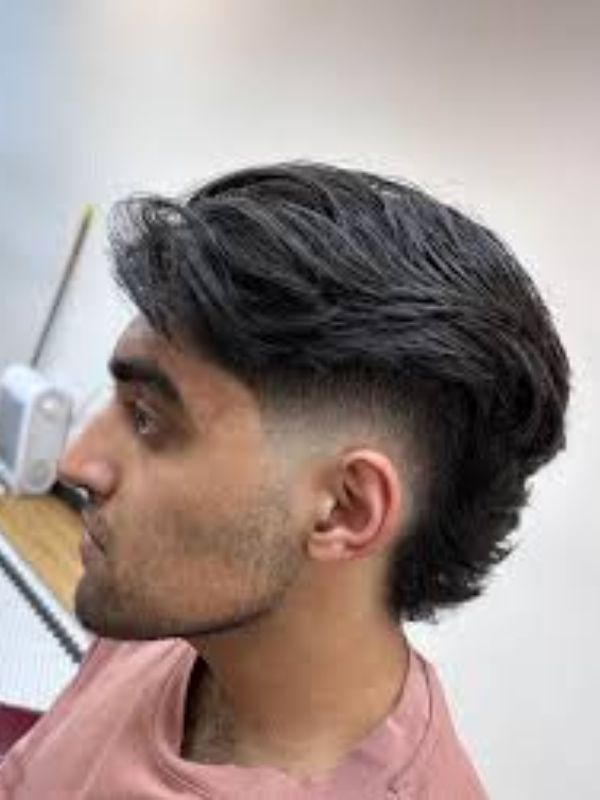
The middle part adds symmetry and a touch of fashion-forward refinement to the mullet. The hair on top splits evenly down the center, framing the face and connecting smoothly into the longer back section. Combined with the low fade, this is one of the cleaner, more editorial versions of the style.
Best for: Oval and heart-shaped faces | Styling tip: A fine-tooth comb and a small amount of styling cream sets the part cleanly without looking stiff.
14. Casual Style
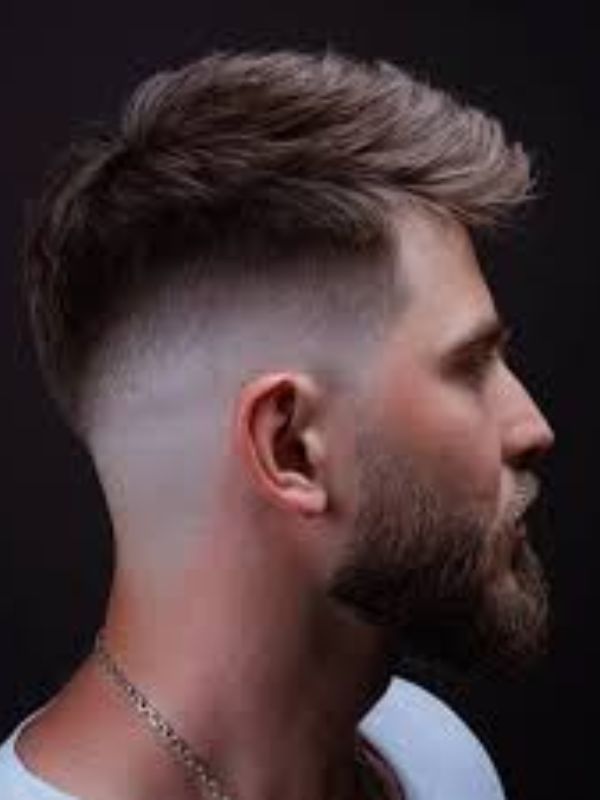
The casual taper fade mullet is lived-in and relaxed. There’s no rigid structure here — the cut is shaped but not fussed over, and the styling is intentionally effortless. It suits men who want to look good without spending much time in the mirror.
Best for: Wavy and slightly textured hair | Styling tip: Run a small amount of matte clay through dry hair with your fingers. Done.
15. Layered Style
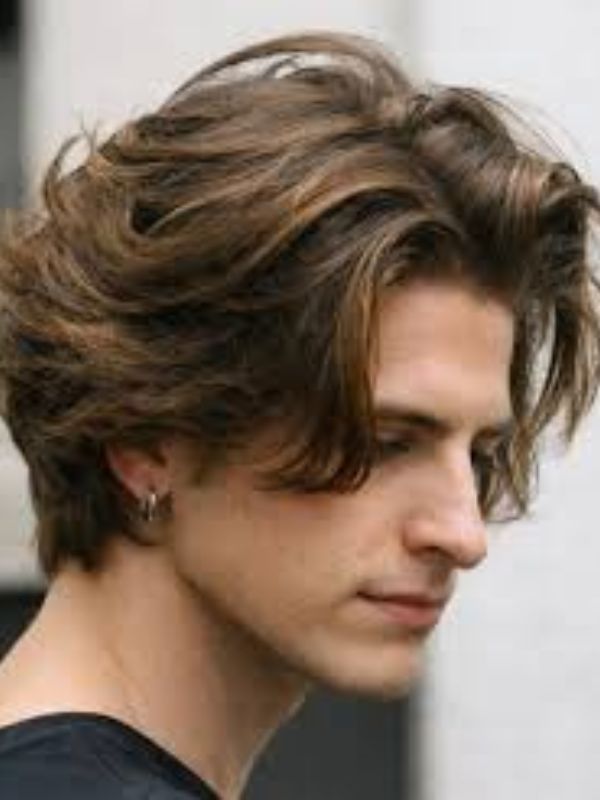
Layers transform a flat mullet into something with real dimension. This version uses strategic layering through both the top and back to create movement and visual interest. The low taper fade keeps the foundation clean while the layers do the expressive work.
Best for: Medium to thick hair with any texture | Styling tip: Blow-dry with fingers to separate layers, then finish with a light flexible hold product.
16. Soft Style
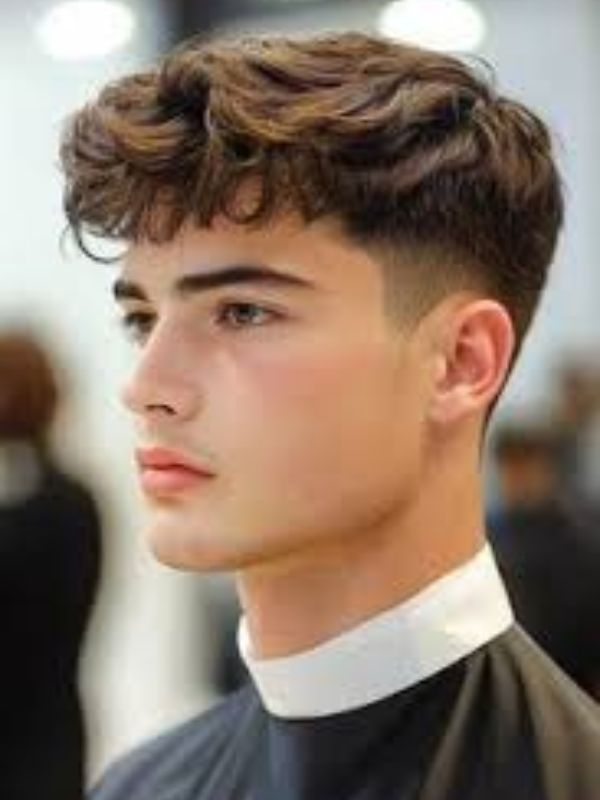
The soft taper mullet tones everything down. The fade is gentle, the back length is moderate, and the overall shape is rounded and approachable. This is an excellent starting point for someone who wants the style but is easing into it for the first time — or for those in environments that require a more conservative appearance.
Best for: All hair types, workplace-appropriate situations | Styling tip: A light cream or lotion styler keeps the hair looking natural and healthy.
17. Taper Fade Mullet Fringe Style
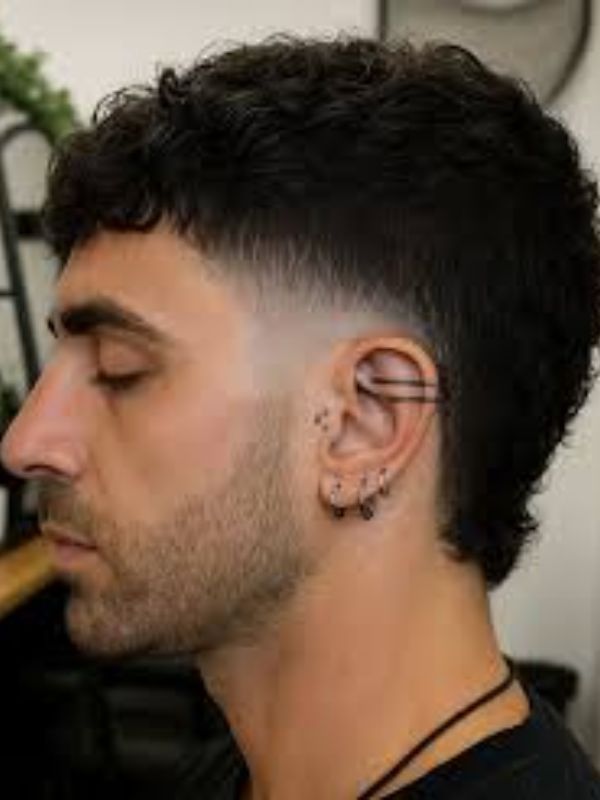
Adding a fringe (or textured bangs) to the front of the mullet creates a completely different visual balance. The fringe draws attention to the face and pairs especially well with oval and longer face shapes where additional front-length helps balance proportions. It also gives the style a retro-rock aesthetic that works brilliantly with both straight and wavy hair.
Best for: Straight hair, oval and long face shapes | Styling tip: Blow-dry the fringe forward and to one side with a round brush, then lock it with light-hold hairspray.
18. Textured Top Style
Rather than a smooth, combed finish, this version emphasizes texture and volume on the top section. The hair is cut and styled to stand with movement and separation — think of it as the energy of a crop fade but extended into a mullet shape at the back.
Best for: Medium to thick hair | Styling tip: Apply a small amount of fiber paste to damp hair, blow-dry upward for volume, then piece through sections with dry fingers.
19. Trend Style (Wolf Cut Mullet)
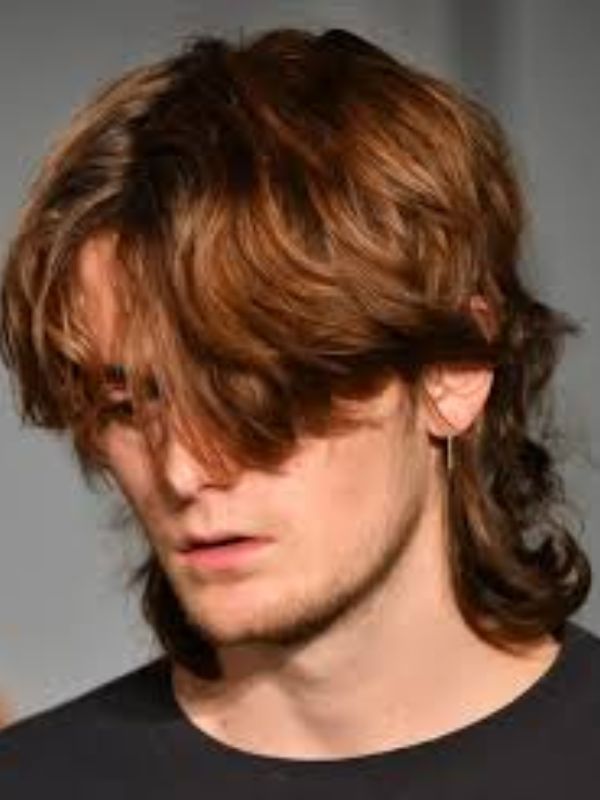
The wolf cut mullet has become one of the most searched hybrid styles of the past two years. It combines the shaggy, layered volume of a wolf cut with the taper fade’s clean structure. The result is a style with incredible movement — high volume at the crown, feathered layers through the back, and a smooth low fade at the sides.
Best for: Thick or wavy hair | Styling tip: Diffuse with sea salt spray for a naturally voluminous, effortlessly cool finish.
20. Clean Style
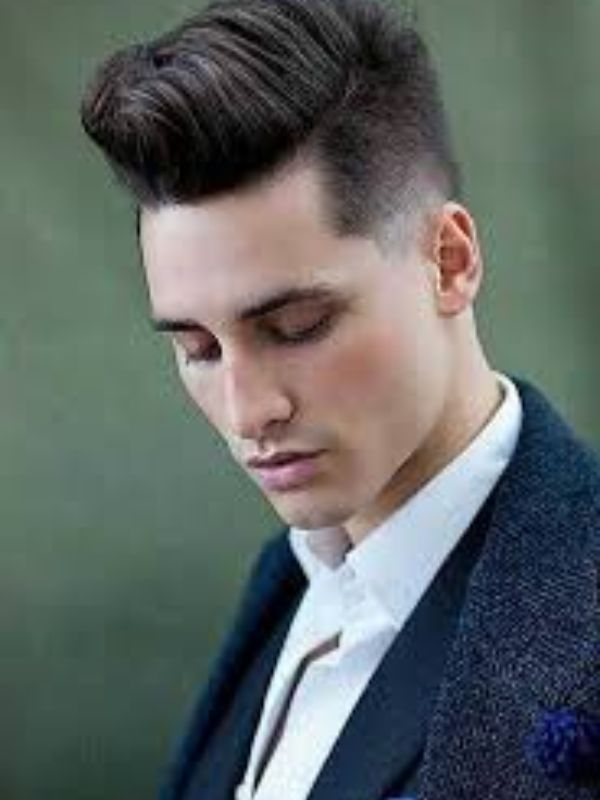
When every line is sharp and every edge is crisp, you get the clean taper fade mullet. This version prioritizes precision — the fade is immaculate, the back is even and polished, and there’s no stray texture. It’s the most disciplined interpretation of the style and suits men who value a well-groomed appearance at all times.
Best for: Straight and fine hair | Styling tip: Use a light-hold pomade for a sleek finish. Visit the barber every 2–3 weeks to maintain the precision.
21. Classic Modern Look
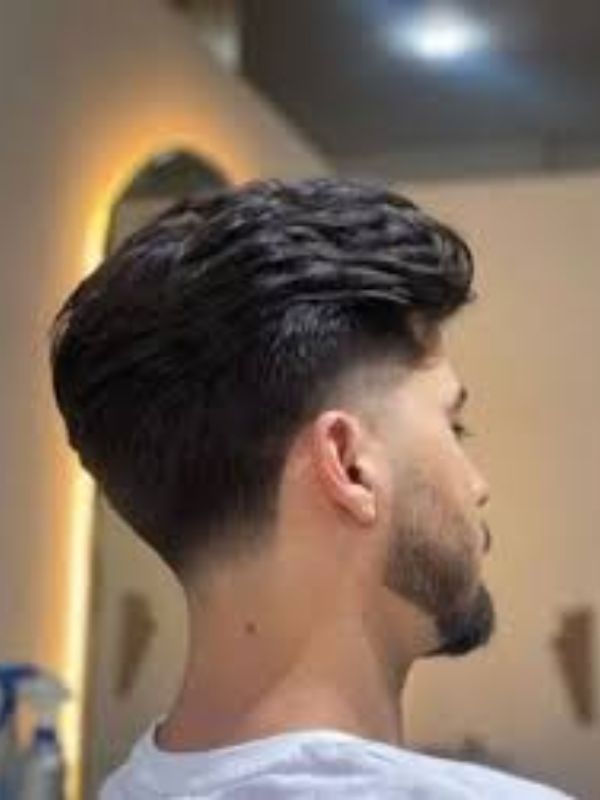
The classic modern mullet blends the familiar structure of the traditional cut with updated proportions and cleaner lines. It honors the original shape — shorter in front, longer behind — but removes any roughness, replacing it with refined blending and intentional texture. This is the mullet you can take to a job interview and still feel confident.
Best for: Oval, square, and rectangular face shapes | Styling tip: Medium-hold pomade or clay applied to slightly damp hair gives you structure without the “done” look.
Quick Style Selector: Which Low Taper Fade Mullet Suits You?
| Hair Type | Recommended Styles |
| Straight hair | Clean Style, Straight Hair Style, Middle Part, Fringe Style |
| Wavy hair | Wavy Style, Casual Style, Wolf Cut Mullet |
| Curly hair | Curly Style, Textured Style, Messy Style |
| Thick hair | Thick Hair Style, Layered Style, Textured Top |
| Thin hair | Thin Hair Style, Short Hair Style, Soft Style |
| Face Shape | Best Match |
| Oval | Most styles work — try Modern or Wavy Style |
| Round | Textured Top or Long Back Style for added height |
| Square | Soft Style or Curly Style to balance strong angles |
| Long/Rectangular | Fringe Style or Short Hair Style to add width |
| Diamond | Middle Part or Layered Style for balance |
How to Ask Your Barber for a Taper Fade Mullet
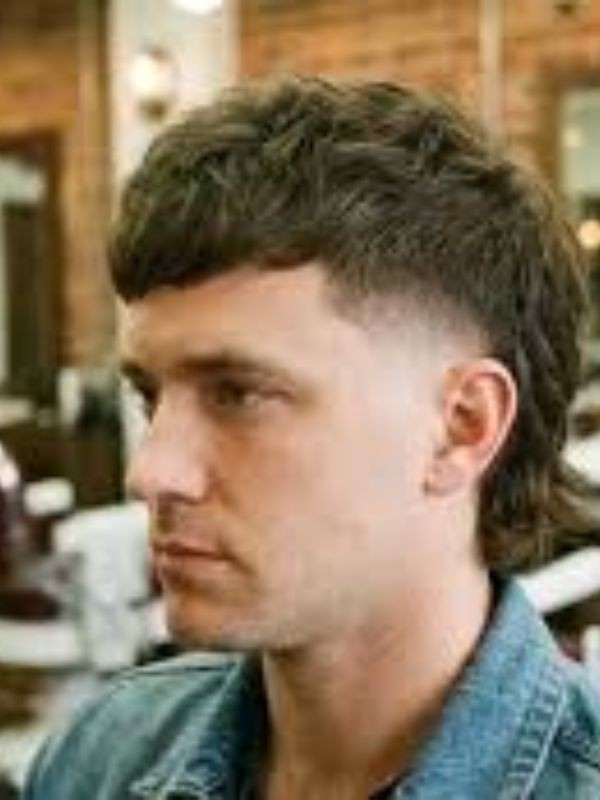
Walking into the barbershop and knowing exactly what to say saves time and guarantees better results. Here’s how to communicate clearly:
Step 1: Bring a reference photo. A single photo tells your barber more than a paragraph of description. Choose an image that matches your hair type and the vibe you’re going for — classic, messy, textured, etc.
Step 2: Use these key phrases:
- “I want a low taper fade that starts just above the ears and blends naturally into the neckline.”
- “Keep the back longer for a mullet shape — maybe [X inches below the collar/just touching the collar].”
- “Leave some texture/length on top — I want movement, not a buzz.”
Step 3: Specify your preferences:
- Fade height — low (above ear), mid (temple), or high
- Back length — subtle, medium, or dramatic
- Top finish — smooth and combed, textured and pieced, or natural and airy
- Neckline — tapered and natural, or squared and defined
Step 4: Ask product questions. Before you leave the chair, ask your barber which product suits your hair type — pomade for sleekness, clay or paste for texture, or curl cream for defined waves and coils.
Pro tip: Ask how the cut will grow out. A well-designed low taper fade mullet should look equally good at week one and week four — not just on day one.
How to Maintain a Low Taper Fade Mullet
Keeping this haircut sharp between barber visits comes down to consistent, simple habits:
Barbershop visits:
- Visit every 3–4 weeks to maintain the taper fade and overall shape
- If you have fast-growing hair or want the fade consistently sharp, aim for every 2–3 weeks
- Between visits, use a trimmer to clean up the neckline at home if needed
Washing and conditioning:
- Wash hair 2–3 times per week — daily washing strips natural oils and can make the cut harder to style
- Use a hydrating or moisturizing shampoo appropriate for your hair type
- Always follow with a conditioner, especially on the longer back section
Daily styling:
- For straight hair: light pomade or paste for definition
- For wavy hair: mousse or sea salt spray for natural texture
- For curly hair: curl cream or leave-in conditioner to define and hydrate
- Use a blow dryer when you want more volume or a polished finish
- Always apply a heat protectant before using any heated styling tool
General care:
- Keep the neckline clean — even a small amount of growth there can make the whole cut look grown-out
- Sleep on a satin or silk pillowcase if your hair is curly or textured to reduce frizz and breakage
- Avoid over-applying product — one pea-sized amount of paste or clay goes further than you think
Conclusion
The low taper fade mullet has earned its place as one of the most exciting and adaptable men’s haircuts of the decade. It strikes the rare balance between nostalgic character and modern precision — a cut that respects its roots while evolving into something genuinely fresh. Whether you want something subtle and office-friendly or bold and statement-making, the 21 styles in this guide prove there’s a version of this cut for every guy.
The key is finding the right variation for your hair type, face shape, and lifestyle — then building a simple maintenance routine that keeps it looking intentional, not overgrown. Take this guide to your barber, bring a photo or two, and have an honest conversation about what you’re after. A great barber will take it from there.

Anderson is a dedicated writer and content creator who enjoys sharing informative and engaging articles across a variety of topics. Through his writing, he aims to provide readers with valuable insights, fresh ideas, and easy-to-understand content every day.