27 Trendy Low Taper Fade Fringe Haircuts for Men 2026
If you’re looking for a haircut that balances clean structure with effortless style, the low taper fade fringe is exactly where you need to start. This combination has taken over barbershops in 2026 — and for good reason. It works on virtually every hair type, suits most face shapes, and gives you the flexibility to dress it up or keep it casual.
Whether you’re stepping into the chair for the first time or just want fresh inspiration, this guide covers every variation worth knowing — from textured crops and curly styles to Asian fringes and classic cuts.
What Is a Low Taper Fade Fringe?
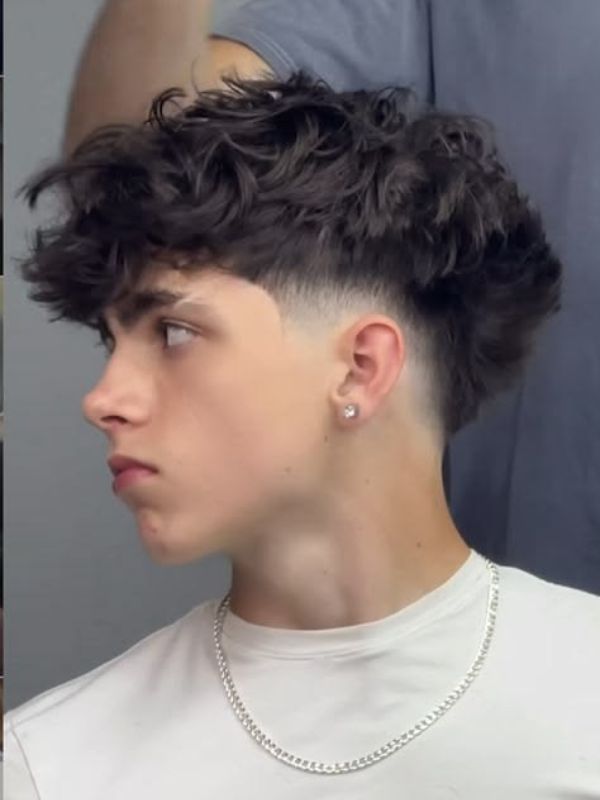
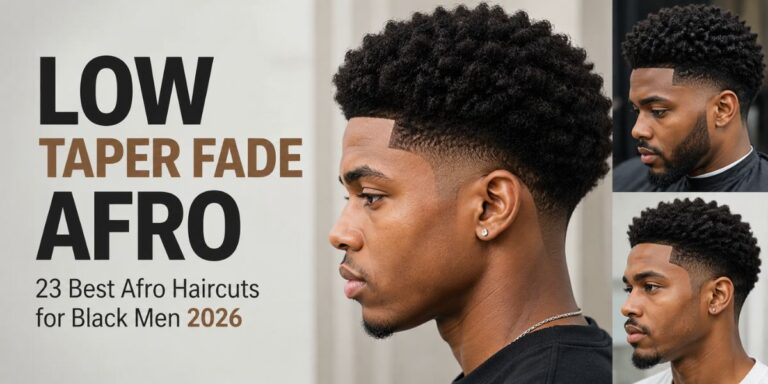
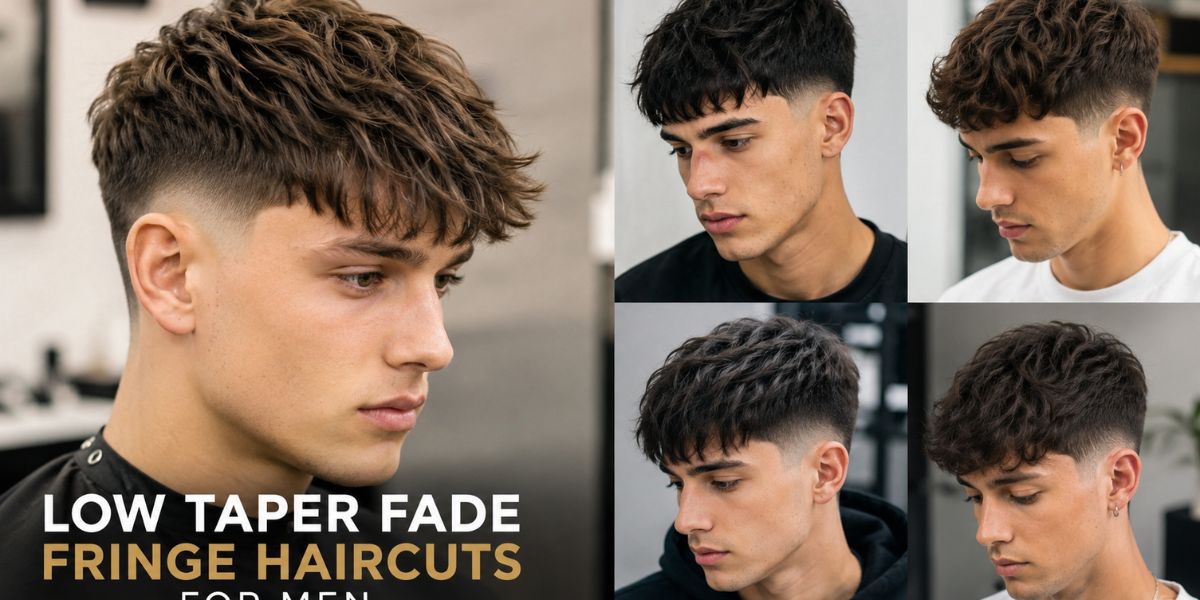
A low taper fade is a clipper technique where the hair on the sides and back gradually decreases in length, starting just above the ear and blending down toward the neckline. Unlike a high fade, the transition begins low — keeping more hair visible on the sides while still delivering a clean, shaped finish.
Pair that with a fringe (hair styled forward over the forehead), and you get a look that’s structured yet relaxed. The fringe can be short, long, textured, straight, wavy, or side-swept — making the combination highly customizable.
Why the Low Taper Fade Fringe Is Popular in 2026
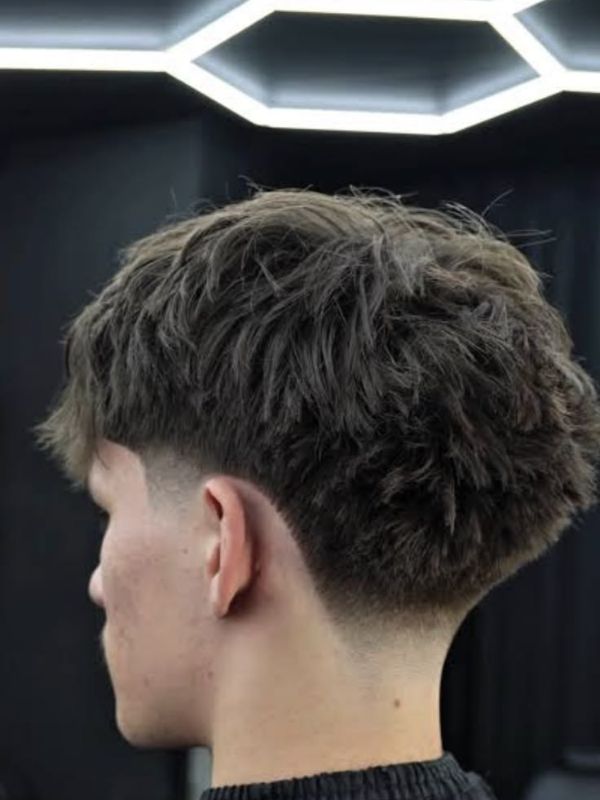
The low taper fade fringe isn’t just a passing trend — it’s earned its place as a modern classic. Here’s why it keeps showing up on every “best haircuts” list:
- Versatility — Works on straight, wavy, curly, thick, and fine hair
- Low maintenance — Grows out cleanly without looking messy between cuts
- Face-shape friendly — The fringe adds width or length depending on how it’s styled
- Barber-approved — Easy to communicate, easy to execute, and consistently sharp
- 2026 aesthetic — Fits the current trend toward softer, blended fades over harsh high-contrast lines
Low Taper Fade vs. Mid Taper Fade: Quick Comparison
| Feature | Low Taper Fade | Mid Taper Fade |
| Fade starts at | Just above the ear | Around the temples |
| Side coverage | More hair on sides | Less hair on sides |
| Contrast level | Subtle, softer | Medium contrast |
| Grow-out period | 4–6 weeks | 3–4 weeks |
| Best for | Oval, round, heart faces | Most face shapes |
| Style vibe | Classic, clean, modern | Bold, structured |
27 Trendy Low Taper Fade Fringe Haircuts for Men
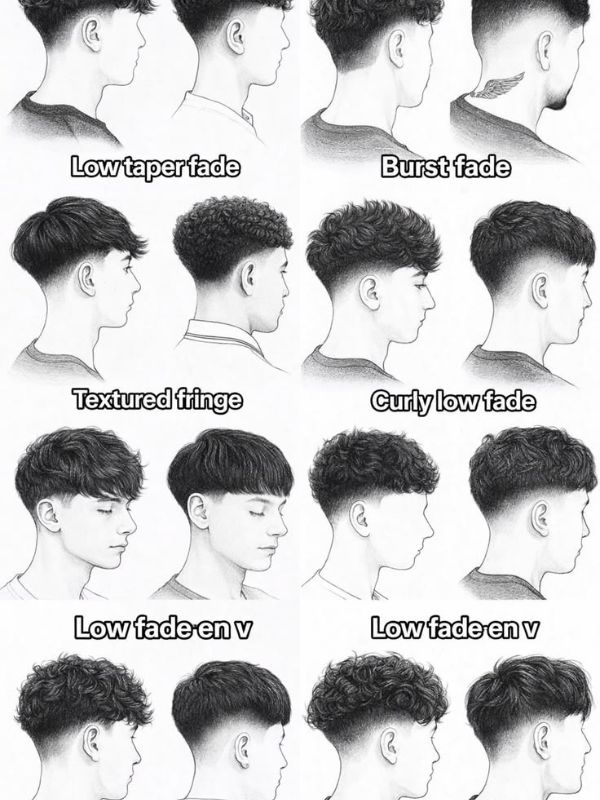
1. Taper Fade Textured Fringe
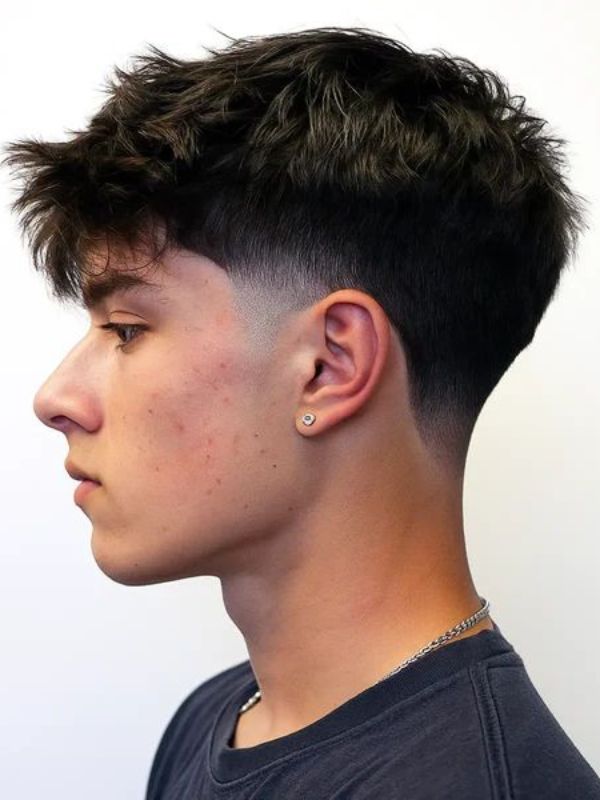
The textured fringe is the most requested low taper style right now. The top is cut short with choppy, piece-y layers that push forward over the forehead. A matte clay worked through dry hair gives each strand separation and keeps the fringe from going flat. Perfect for guys with medium-density hair who want a modern, low-effort look.
Best for: Oval and square face shapes, medium to thick hair
2. Low Taper Fade Messy Fringe
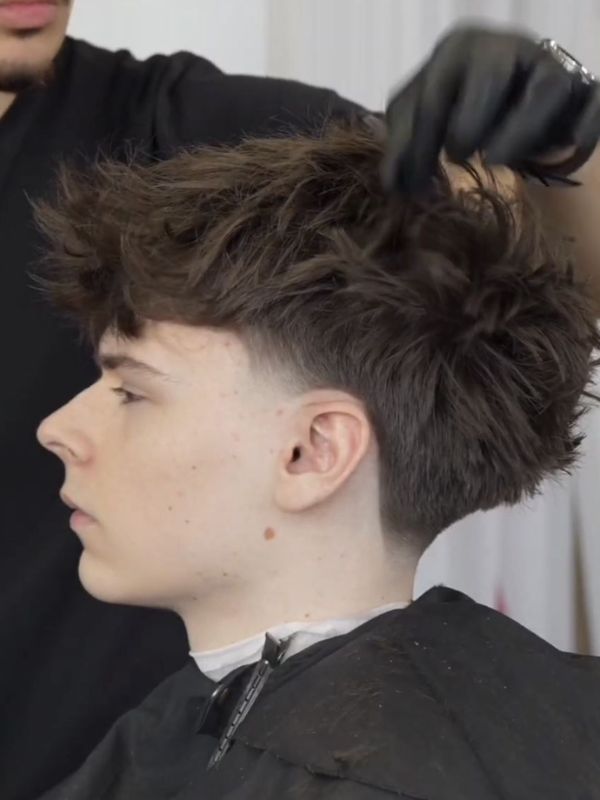
Not every fringe needs to be precise. The messy fringe leans into natural movement — the hair falls forward loosely, slightly disheveled, and full of texture. Pair it with a clean low taper to keep the overall look intentional, not sloppy. A light molding paste or texture cream is all you need to hold the shape without looking overdone.
Best for: Casual, everyday wear; oval and oblong face shapes
3. Low Taper Fade Short Fringe
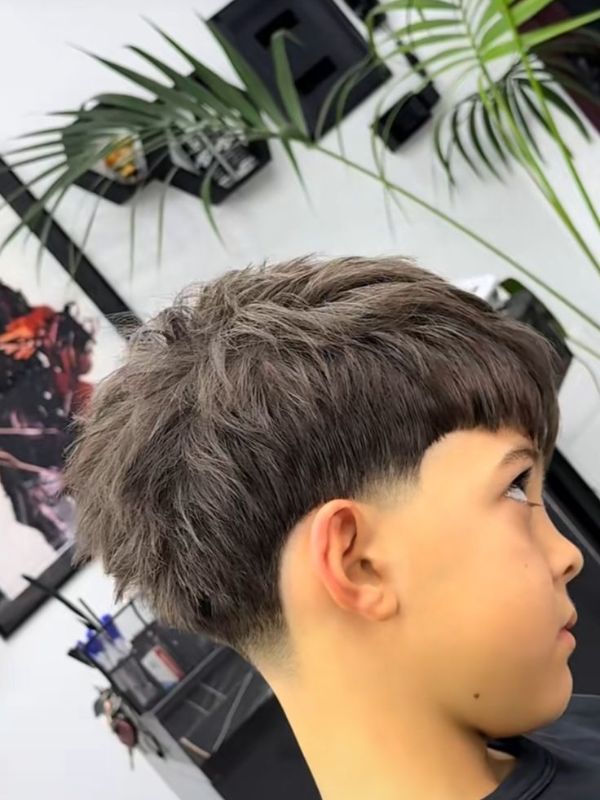
If you prefer a cleaner, more structured look, the short fringe keeps things tight. The fringe sits high on the forehead — just a centimeter or two past the hairline. It reads professional, sharp, and easy to maintain. The low taper on the sides keeps the weight distribution balanced.
Best for: Professional settings, square and round faces
4. Low Taper Fade Long Fringe
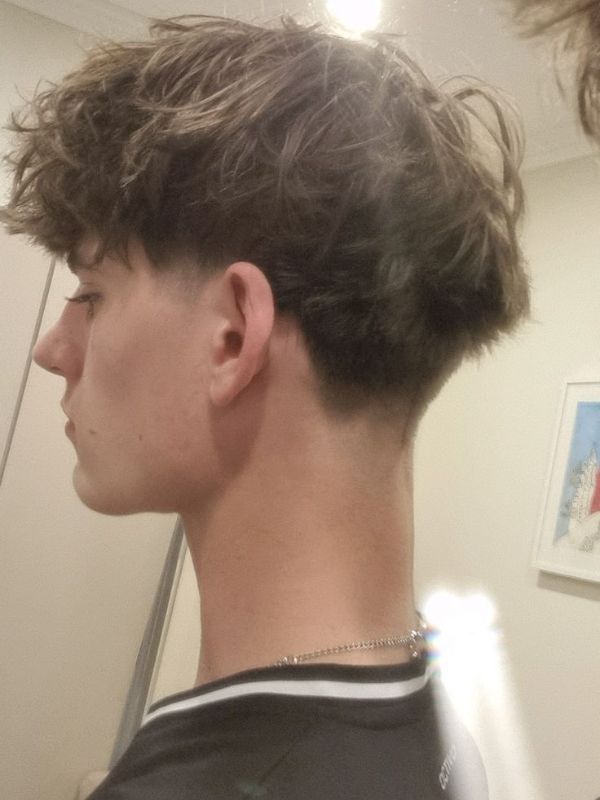
On the opposite end, a long fringe falls past the eyebrows and sometimes brushes the nose. Blow-dry it forward for a sleek look, or let it fall naturally for something more relaxed. The contrast between long, flowing fringe hair and a clean low taper on the sides creates a visually striking result.
Best for: Oval, heart, and oblong faces; medium to thick hair
5. Low Taper Fade Side Swept Fringe
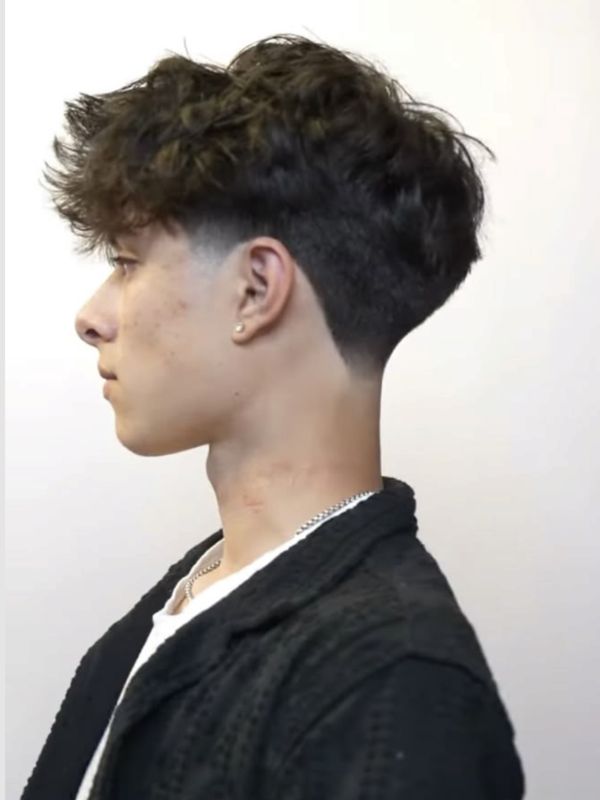
The side-swept fringe adds natural asymmetry to the cut. The hair is pushed diagonally across the forehead instead of straight forward. This creates movement, frames the face from one side, and works especially well for guys who part their hair naturally. Combine with a low taper for a look that’s polished without being rigid.
Best for: Heart and diamond face shapes, straight or slightly wavy hair
6. Low Taper Fade Layered Fringe
Layering adds depth and dimension to the fringe, making it appear fuller and more dynamic. Each layer sits at a slightly different length, creating subtle movement when the fringe falls forward. It’s especially effective for thicker hair that tends to look heavy or flat without texturizing.
Best for: Thick and coarse hair, round face shapes
7. Low Taper Fade Thick Fringe
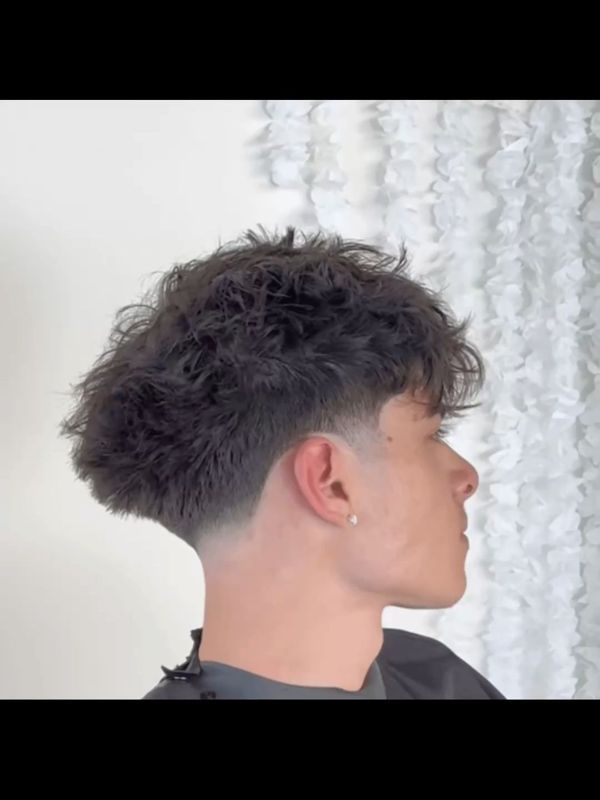
Got dense hair? Play to your strengths. The thick fringe uses that natural volume as the centerpiece of the cut. The fringe is blunt, full, and forward-facing — a deliberate, bold statement. The low taper keeps the sides clean so all the attention stays on the top.
Best for: Thick, straight hair; oval and square faces
8. Low Taper Fade Thin Fringe
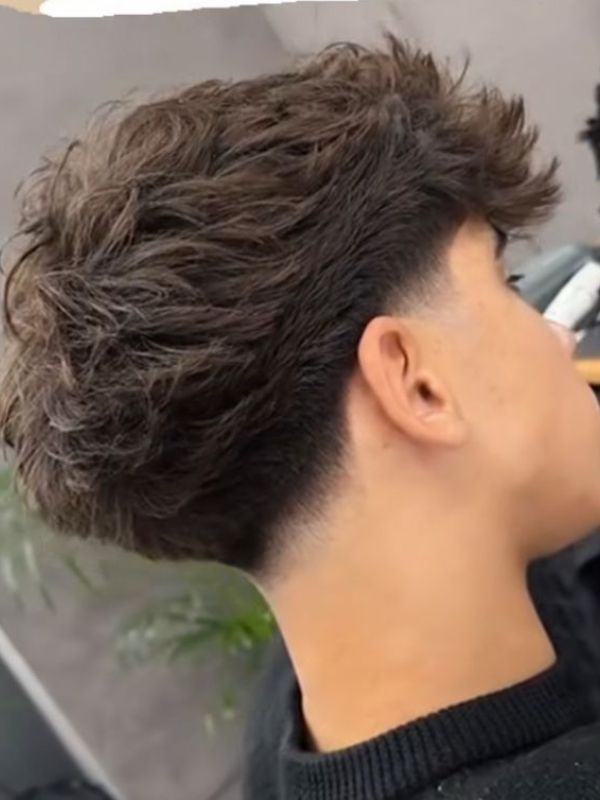
For finer hair, a thin fringe avoids the overworked, heavy look. The fringe is kept light and airy — just enough coverage over the forehead to frame the face. A small amount of texture powder adds grip and a bit of volume without weighing the strands down.
Best for: Fine or thin hair, most face shapes
9. Low Taper Fade Fringe Curly Hair
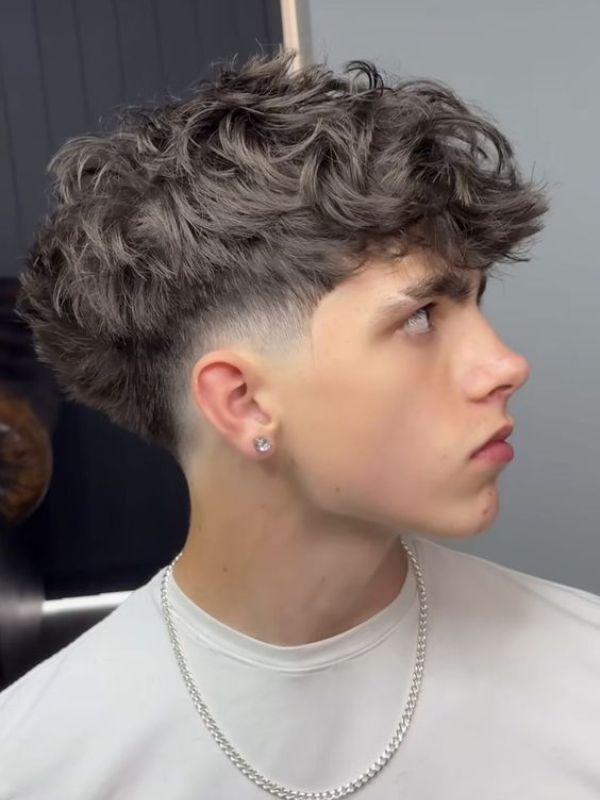
Curly hair and a low taper fade are a natural pairing. The curls on top create volume and personality, while the gradual fade from the ears down keeps the shape defined. Push the curls forward slightly for a fringe effect, or let them fall naturally for something more relaxed. Use a curl-defining cream or light mousse to maintain bounce.
Best for: Naturally curly or coily hair, oval and round faces
10. Taper Fade Fringe Straight Hair
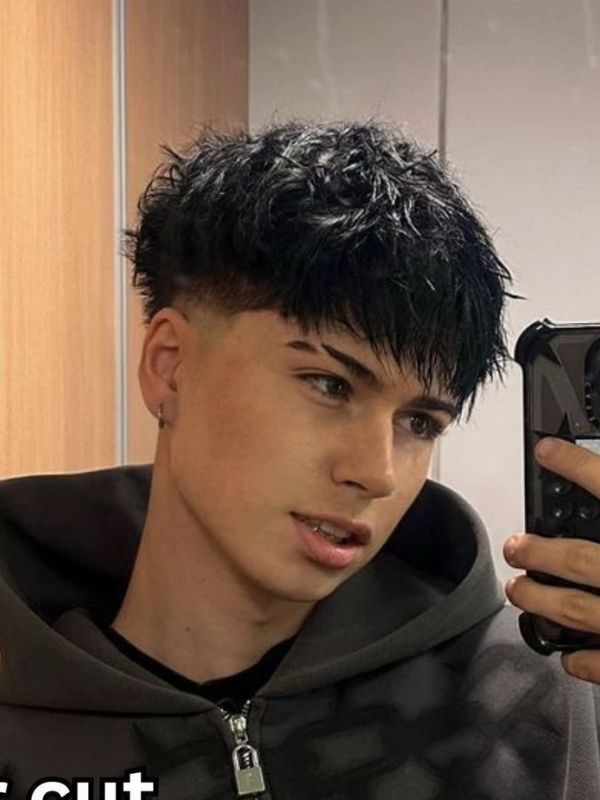
Straight hair holds a fringe beautifully — the strands fall predictably and stay in place. A blow-dryer pointed forward while drying locks the fringe into position. Follow with a medium-hold matte paste for a clean, modern finish that doesn’t look stiff or plasticky.
Best for: Straight and fine-to-medium hair, most face shapes
11. Low Taper Fade Textured Crop Fringe
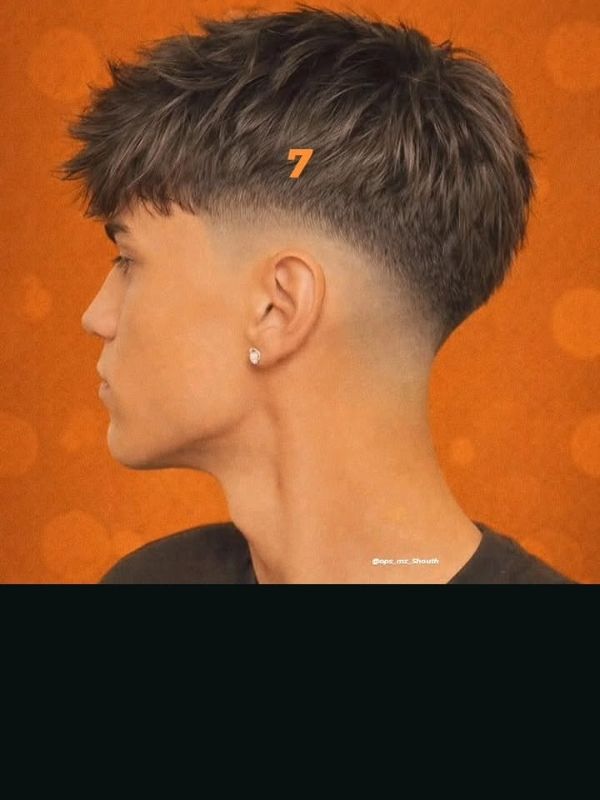
The textured crop is arguably the most iconic pairing with a low taper fade. The top is cut short with choppy, uneven layers that push forward, ending in a blunt fringe. The contrast between the textured top and the clean, gradual fade below it is what gives this cut its sharp identity. It’s particularly popular in European fashion circles and has carried that energy into 2026.
Best for: Straight and wavy hair, most face shapes
12. Low Taper Fade Casual Fringe
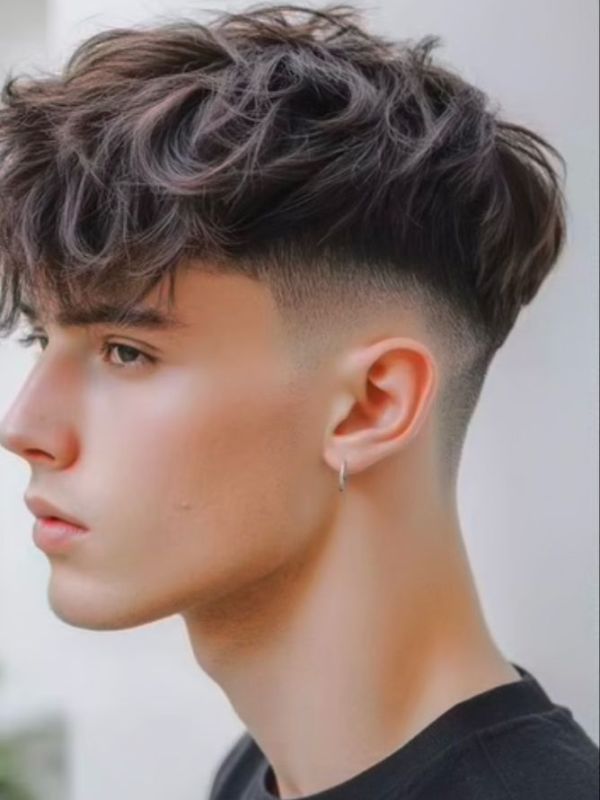
Sometimes you don’t want a haircut that looks like it took effort. The casual fringe is styled loosely forward with minimal product — a small scoop of texture cream worked through slightly damp hair is enough. The low taper keeps the sides neat so the whole thing reads effortless, not unmaintained.
Best for: Everyday wear, round and oval face shapes
13. Modern Fringe with Low Taper
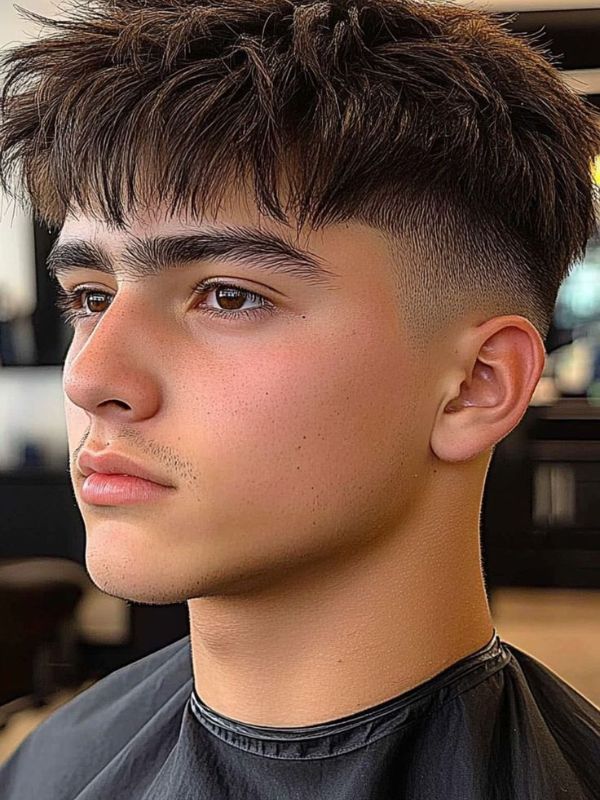
The modern fringe is a refined take on the classic fringe — slightly longer, more textured, and paired with a precise low taper. It borrows elements from the French crop and the textured crop without fully committing to either. Think of it as the versatile middle ground for guys who want something fashionable but not extreme.
Best for: Fashion-conscious men, oval and oblong faces
14. Low Taper Fade Fringe on Top
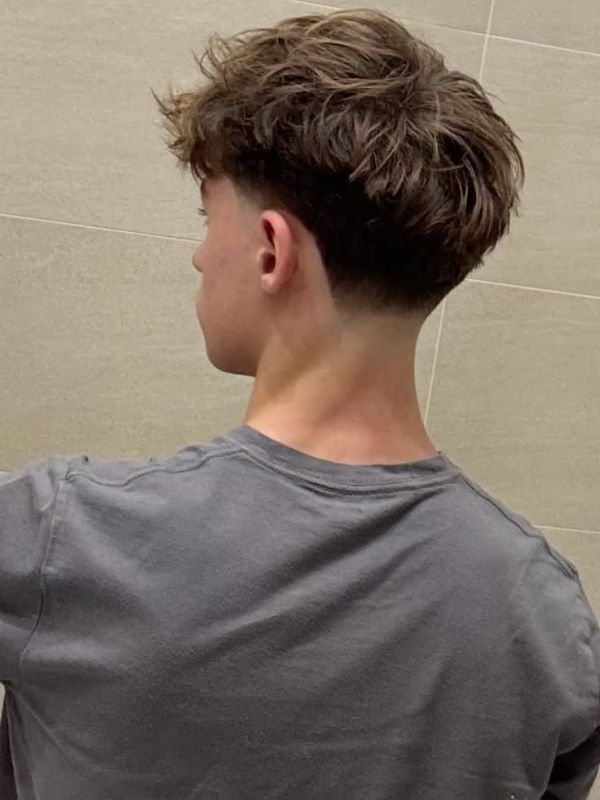
This variation emphasizes volume and height. The fringe on top is styled upward and forward — creating a quiff-fringe hybrid. The low taper on the sides accentuates the height on top by keeping the contrast subtle and refined. Use a volumizing mousse before blow-drying for maximum lift.
Best for: Round and square faces, medium to thick hair
15. Low Taper Fade Wavy Fringe
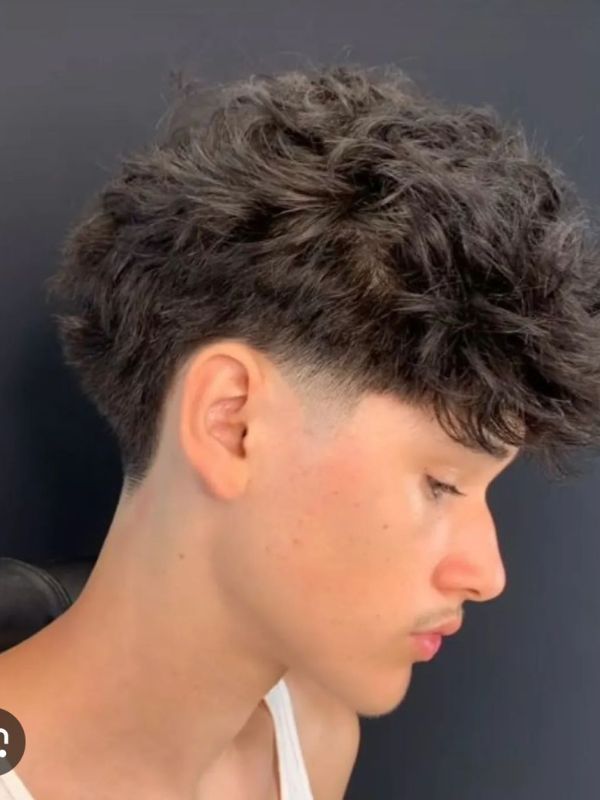
Wavy hair has natural movement that a fringe can showcase beautifully. Instead of fighting the waves, let them fall forward over the forehead with a slight forward sweep. The low taper keeps the sides clean and prevents the wavy top from looking too voluminous. A light defining cream enhances the wave pattern without eliminating the natural texture.
Best for: Wavy or loosely curly hair, heart and oval faces
16. Soft Fringe with Low Taper
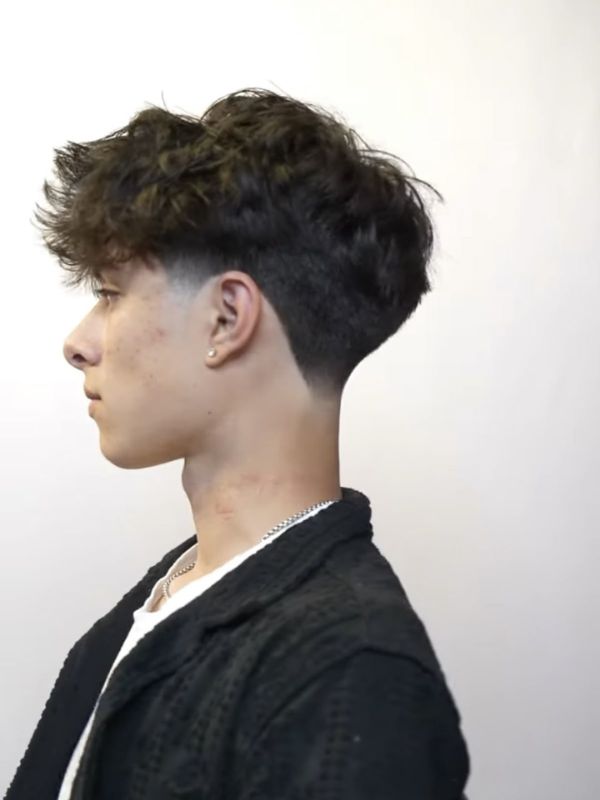
The soft fringe avoids sharp, blunt lines. The edges are cut with scissors to create a feathered, gentle finish. It looks natural, youthful, and approachable — less structured than the textured crop fringe but more refined than a completely messy style. Great for guys who want something clean without looking like they tried too hard.
Best for: Fine to medium hair, oval and oblong face shapes
17. Taper Fade Fringe with Volume
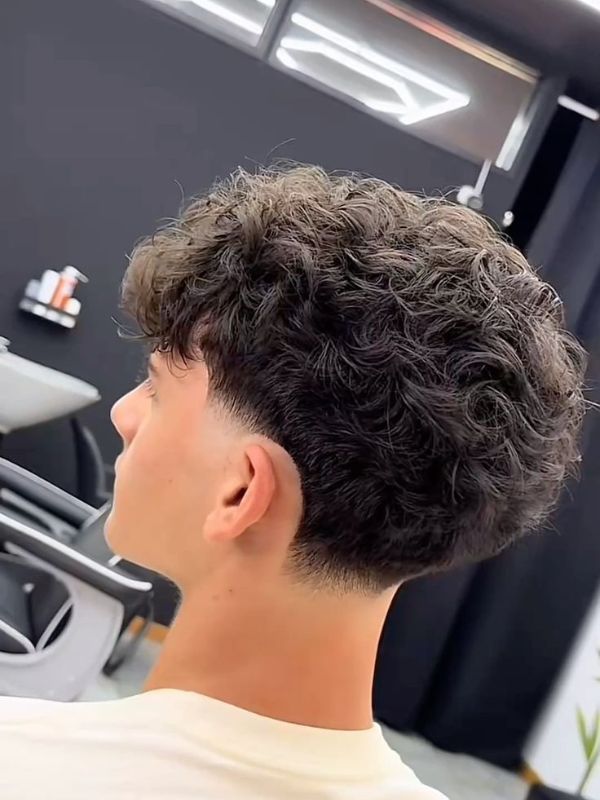
Volume is the focus here. The fringe is blow-dried with a round brush or paddle brush to push the hair upward and forward simultaneously, creating lift at the roots and a forward-falling finish. The result is a dramatic, full-bodied fringe that still reads modern thanks to the clean low taper below.
Best for: Thin hair wanting volume, oval and heart faces
18. Asian Fringe with Low Taper
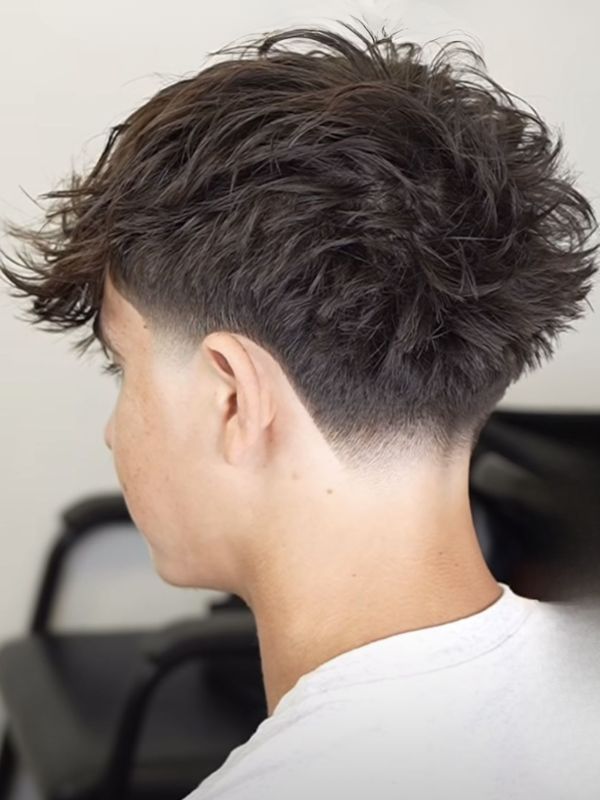
The Asian fringe has become one of the most distinctive and sought-after looks in 2026. This style uses naturally thick, straight hair to create a clean, forward-facing fringe that rests neatly over the forehead. The low taper stays conservative — starting just above the ear — to avoid excessive contrast against dense hair. A matte powder or paste finishes the look without adding shine or stiffness.
Barber tip: Ask for clipper-over-comb texturizing above the fade line to prevent the “ledge” effect that can occur when thick hair meets a fade.
Best for: Thick, straight Asian hair, oval and round faces
19. Taper Fade Barber Style Fringe
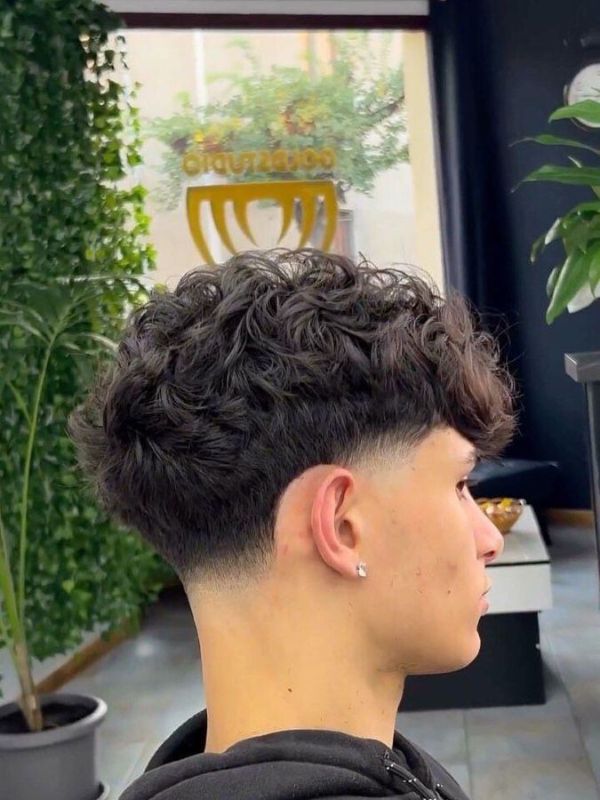
This is the precision version — every edge is clean, every line is intentional. The barber-style fringe is defined by a crisp, structured fringe that’s been cut to a deliberate length with a sharp line across the forehead. Paired with a clean low taper and a defined neckline, this look is what you’d see in a high-end barbershop portfolio.
Best for: Men who prefer structured, sharp looks; square and oval faces
20. Classic Fringe with Low Taper
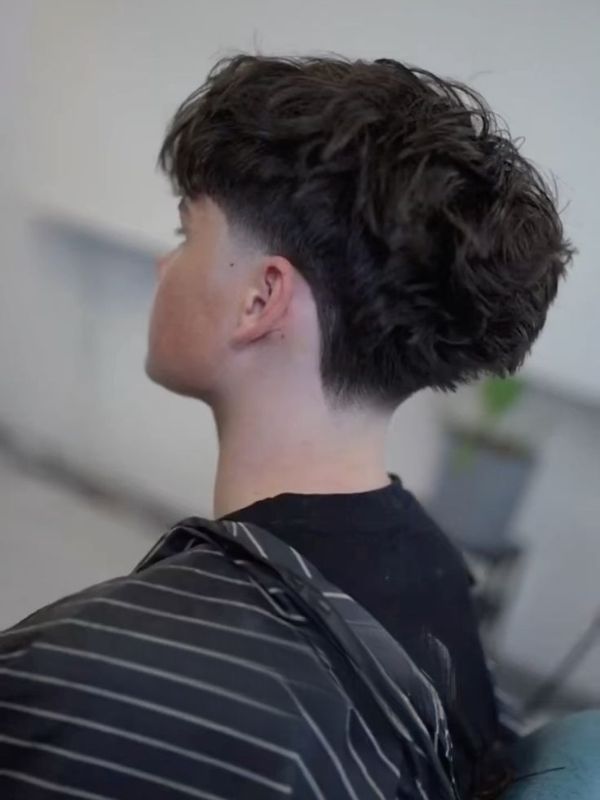
The classic fringe is timeless — short-to-medium length hair swept straight across the forehead, even and clean. The 2026 take on this style keeps the top at 1–2 inches, pairs it with a low fade on the sides, and finishes with a matte clay for natural texture. It’s the perfect choice for anyone who wants a sharp, unfussy haircut that never really goes out of style.
Best for: All face shapes, most hair types
21. Textured Fringe with Taper Fade (Mid Taper Variation)
When you want more contrast than a low taper offers but aren’t ready for a full skin fade, the mid taper hits the sweet spot. Starting around the temples, the mid taper creates a noticeable transition that makes the textured fringe on top look even more prominent. This is a bolder cut for men who want their style to make a statement.
Best for: Bold, fashion-forward looks; oval and oblong face shapes
22. Low Taper Fade Short Fringe for Straight Hair
Straight-haired men who prefer short hair can get the best of both worlds here. The top stays tight — around an inch — with a short fringe that barely grazes the forehead. Blow-dry forward and apply a light matte paste. Clean, fast, and sharp.
Best for: Low-maintenance straight hair, professional settings
23. Low Taper Fade Fringe with Beard
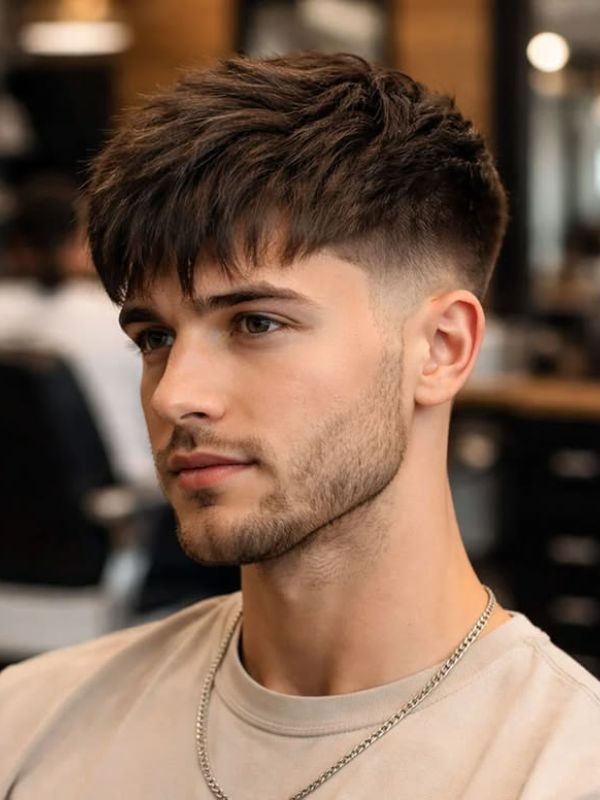
Adding a beard to the low taper fade fringe creates a seamlessly balanced look. The fade on the sides transitions smoothly into a shaped beard, creating one continuous line from the top of the head to the jawline. Keep the beard well-trimmed so it complements the fringe rather than competing with it.
Best for: Men with medium to full beard growth, oval and square faces
24. French Crop with Low Taper Fade
The French crop is one of the cleanest, most minimal fringe styles around. The top is kept short, the fringe is blunt and cut straight across, and the sides are tapered or faded low. It gives off European fashion energy — think streetwear and creative industries — while remaining easy to maintain.
Best for: Straight and fine-to-medium hair, oval and square faces
25. Low Taper Fade Fringe with Hard Part
A shaved line (hard part) carved into the side of the hair creates an architectural detail that makes the overall cut feel more intentional. The fringe drapes forward from the opposite side of the hard part, creating natural asymmetry. The low taper blends everything together cleanly.
Best for: Men who like detail-oriented cuts, square and oval faces
26. Low Taper Fade Fringe for Round Faces
Round faces benefit from added height and reduced width. A forward fringe with slight volume at the roots creates the illusion of a longer face, while the low taper keeps the sides from adding width. Avoid blunt, heavy fringes that sit flat — a textured fringe with some lift works much better here.
Best for: Round faces specifically, any hair type
27. Low Taper Fade Fringe with Highlights
Color adds another dimension to the fringe-and-fade combination. Subtle highlights on the top and through the fringe create contrast and depth without overpowering the cut. Natural-looking tones (brown, caramel, or ash) work best, though bolder choices suit more expressive styles.
Best for: Men open to color work, all face shapes
How to Ask Your Barber for a Low Taper Fade Fringe
Being specific with your barber saves time and guarantees you walk out looking exactly how you pictured. Here’s a script you can take word-for-word:
“I’d like a low taper fade on the sides and back — starting just above the ear and blending down to the neckline. Keep the top [short/medium/long] and style the front into a [textured/messy/clean] fringe over the forehead. Keep the transition soft, not too aggressive.”
Key details to mention:
- Fade height: Low (above the ear), mid (temple area), or high
- Fade type: Skin fade, scissor taper, or clipper blend
- Fringe length: Short (above brow), medium (at brow), or long (below brow)
- Fringe style: Textured, blunt, side-swept, or messy
- Hold/product preference: Matte or shiny, light or firm hold
If you have a reference photo, bring it. Barbers work visually, and even a rough image removes ambiguity.
How to Maintain a Low Taper Fringe
Getting the cut is only half the work. Keeping it looking sharp between appointments requires a simple but consistent routine.
| Maintenance Task | Frequency | Product / Tool |
| Trim the fade | Every 3–4 weeks | Barber visit |
| Style the fringe | Daily | Matte clay, paste, or cream |
| Wash hair | 2–3 times per week | Sulfate-free shampoo |
| Deep condition | Once a week | Hydrating conditioner |
| Blow-dry fringe | As needed | Low heat, forward direction |
Daily styling tips:
- Wash or lightly dampen hair
- Apply a small amount of matte clay or molding paste to damp hair
- Blow-dry the fringe forward while using your fingers to direct it
- Finish with a light pass of your fingers to break up any stiffness
- For extra hold, add a tiny amount of product to the fringe once dry
Final Thoughts
The low taper fade fringe has earned its status as one of the most versatile, timeless, and genuinely flattering men’s haircuts of 2026. Whether you go textured, classic, wavy, curly, or side-swept, there’s a version that fits your face shape, hair type, and lifestyle. The key is finding the fringe style that complements your natural texture and communicating it clearly to your barber. From there, a simple daily styling routine is all it takes to keep the look sharp.
Ready to book your appointment? Take this guide with you — or better yet, pick your favorite style from the list above and show it to your barber directly.

Anderson is a dedicated writer and content creator who enjoys sharing informative and engaging articles across a variety of topics. Through his writing, he aims to provide readers with valuable insights, fresh ideas, and easy-to-understand content every day.