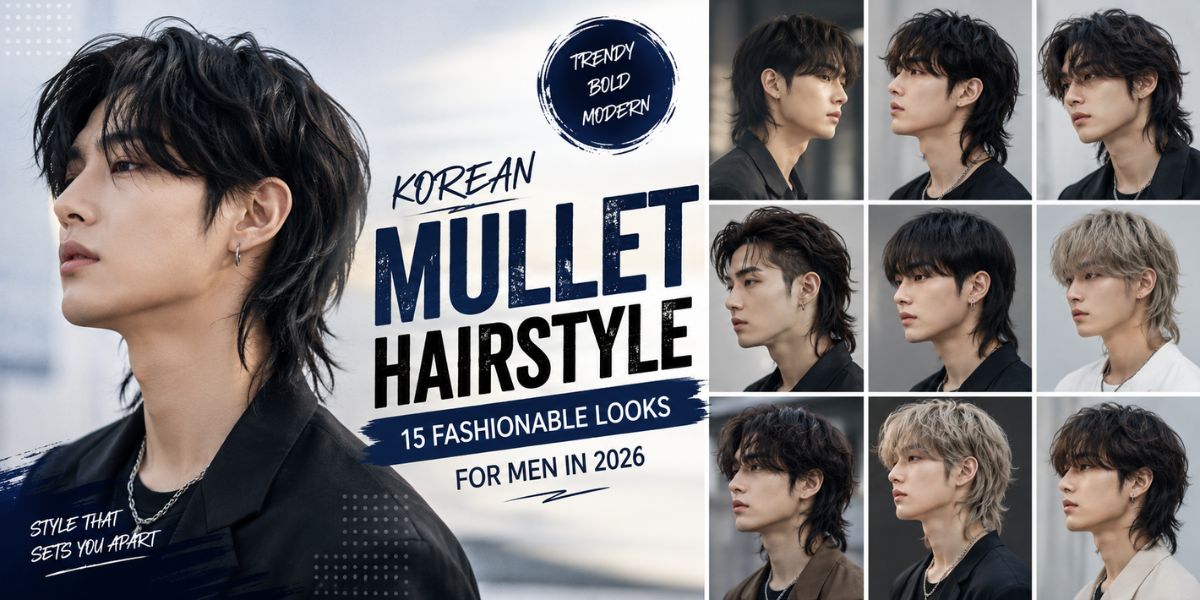
Korean Mullet Hairstyle: 15 Fashionable Looks for Men in 2026
The Korean mullet has moved far past its retro roots. What started as an 80s throwback now sits at the center of modern men’s grooming, largely thanks to K pop idols, K drama actors, and a wave of Korean street style content flooding social feeds. Unlike the boxy, harsh mullets of decades past, the Korean version leans into soft layers, natural volume, and effortless texture.
If you’re thinking about trying this cut in 2026, this guide walks you through the best variations, how to talk to your barber, styling routines, and mistakes worth avoiding.
What Is a Korean Mullet Haircut?
A Korean mullet is a modern take on the classic mullet, built around shorter, tapered sides and a longer, layered back. Instead of a dramatic, choppy contrast, it favors soft blending, lightweight fringe, and rounded shaping that frames the face.
Where a traditional Western mullet often looks bold and unapologetically retro, the Korean mullet feels tailored and wearable. It borrows heavily from K pop hair trends, meaning:
- Soft, face framing fringe
- Natural volume through the crown rather than heavy gel
- A back section that flows instead of hanging in a blunt shelf
- Subtle tapering or two block sides for a cleaner finish
It’s a style built for movement, not stiffness, which is part of why it photographs so well and works across so many hair types.
15 Best Korean Mullet Haircut Styles
Each variation below plays with length, texture, or fade intensity while keeping the core mullet shape intact.
Classic Korean Mullet
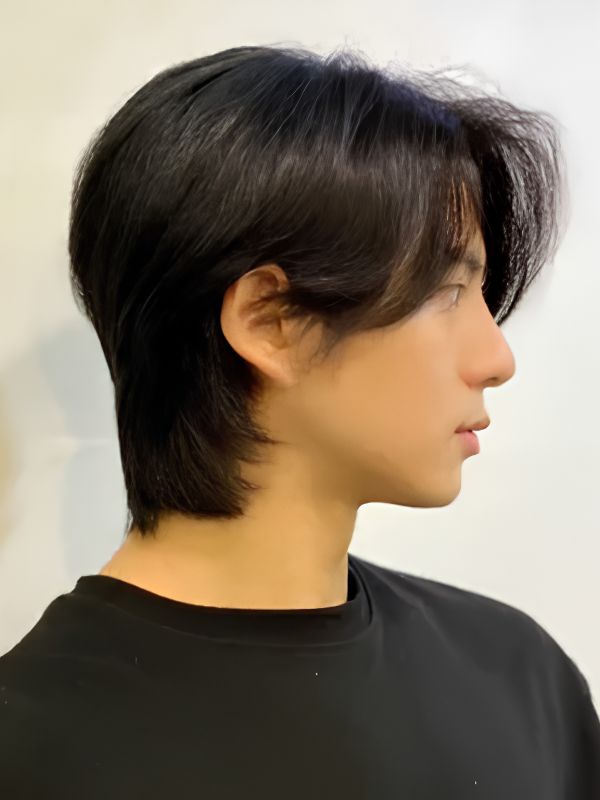
The foundational cut: soft layers on top, moderate length in the back, and sides that are trimmed but not shaved down. It’s the easiest version to grow into and the most common request among first timers.
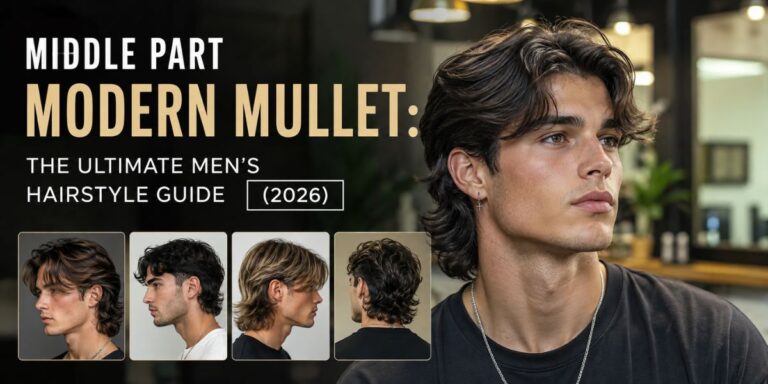
Also Read This: Middle Part Modern Mullet: The Ultimate Men’s Hairstyle Guide (2026)
Textured Korean Mullet
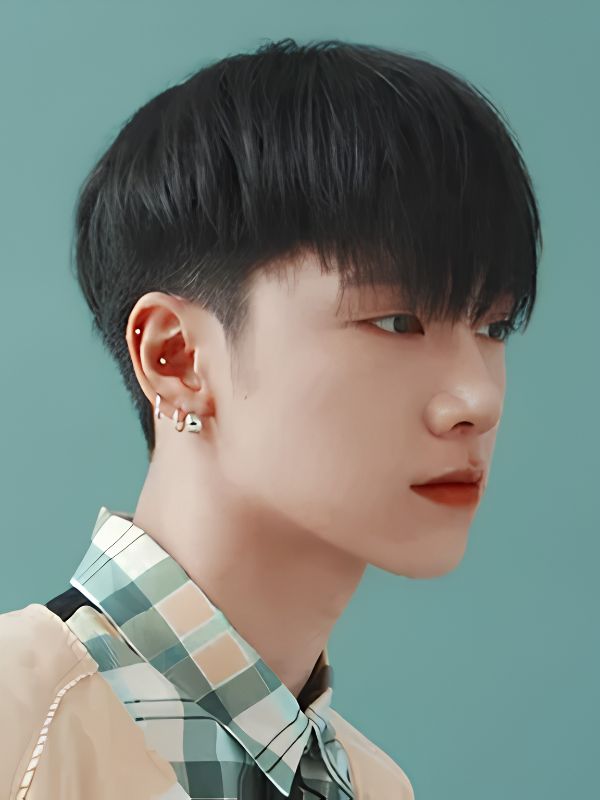
This style adds choppy, razor cut ends throughout the top and back for extra texture and grip. It works especially well on thicker hair that holds shape without much product.
Korean Wolf Cut Mullet

A fusion of the mullet and the wolf cut, this look leans heavily into shaggy layers and volume at the crown. Expect a lot of face framing pieces and a more tousled, undone finish.
Two Block Korean Mullet
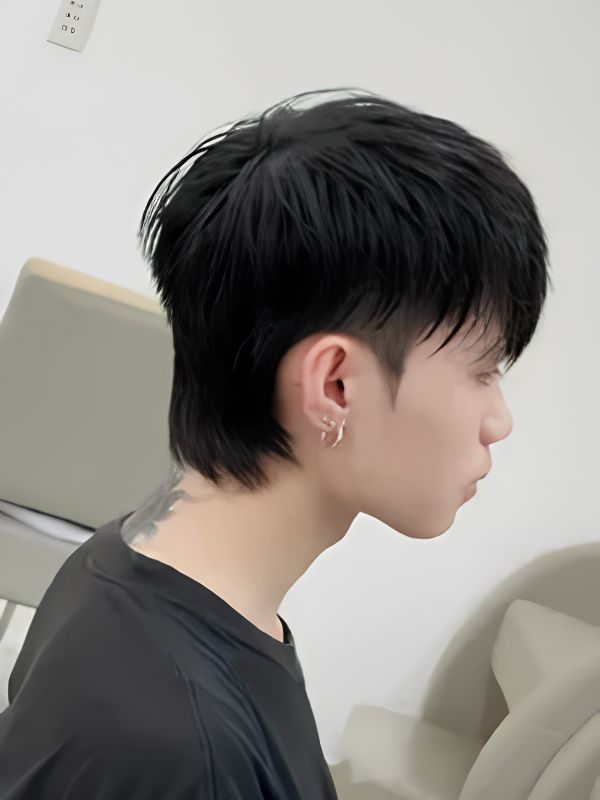
One of the most requested Korean haircuts overall, this variation pairs a shaved or closely cropped undercut with longer top hair that drapes over it. The contrast keeps the mullet structure sharp while the sides stay ultra low maintenance.
Curtain Bang Korean Mullet
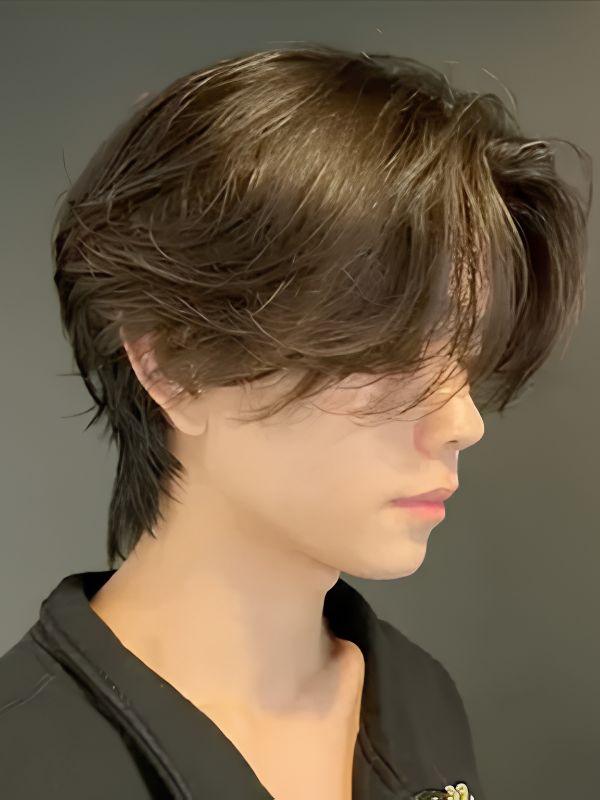
This combines the popular curtain fringe with mullet length in the back. The bangs part naturally in the center and frame both sides of the face, softening angular features.
Low Taper Korean Mullet
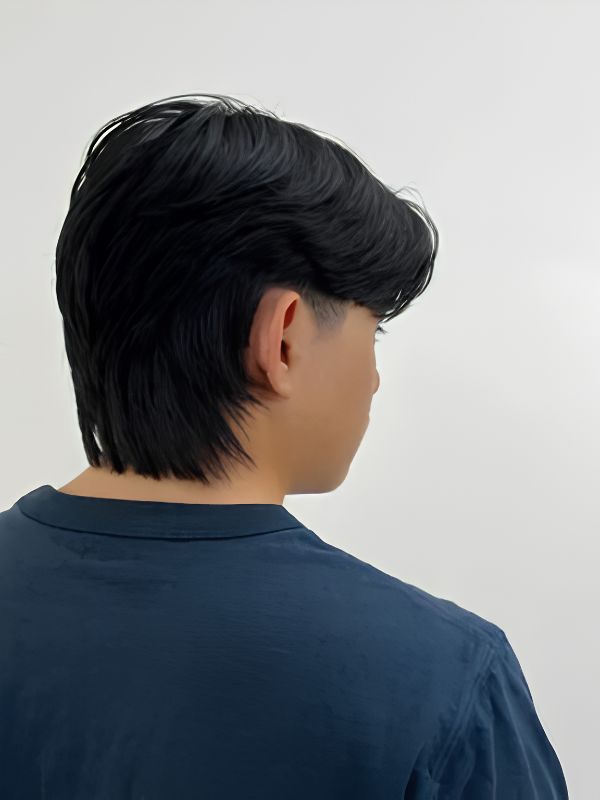
For men who want something office appropriate, the low taper keeps the fade subtle near the neckline and ears while preserving length on top and in the back. It reads as polished rather than edgy.
Soft Layer Korean Mullet
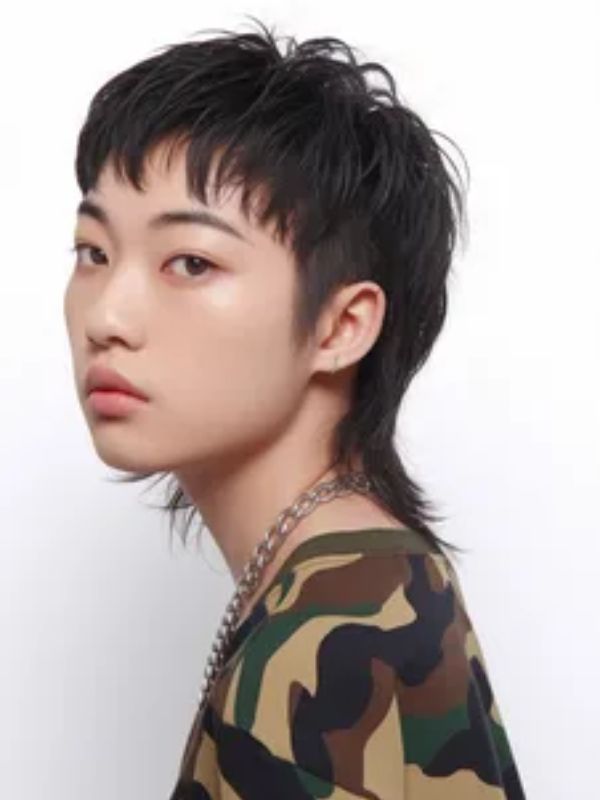
Focused entirely on movement, this version skips heavy fading altogether. Layers are cut throughout to reduce bulk and create a lightweight, flowing silhouette.
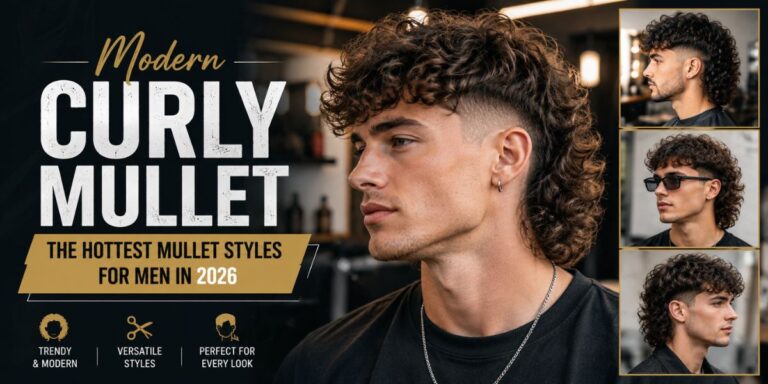
Curly Korean Mullet
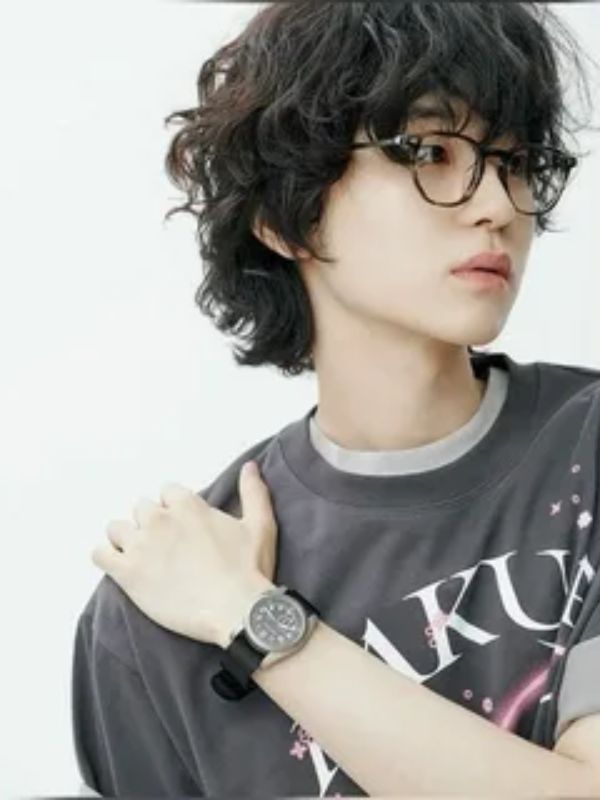
Curly and wavy hair naturally suits the mullet shape since the texture already adds volume and separation. Layers are cut to work with the curl pattern instead of against it.
Mini Korean Mullet
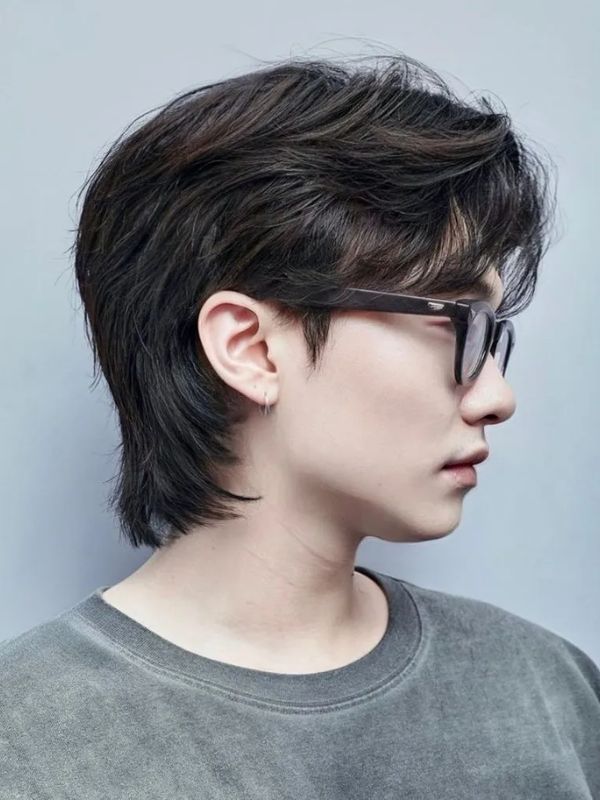
A shorter, subtler take on the trend for men who want the silhouette without much commitment. The back extension is minimal, making it easier to maintain and grow out later.
Shaggy Korean Mullet
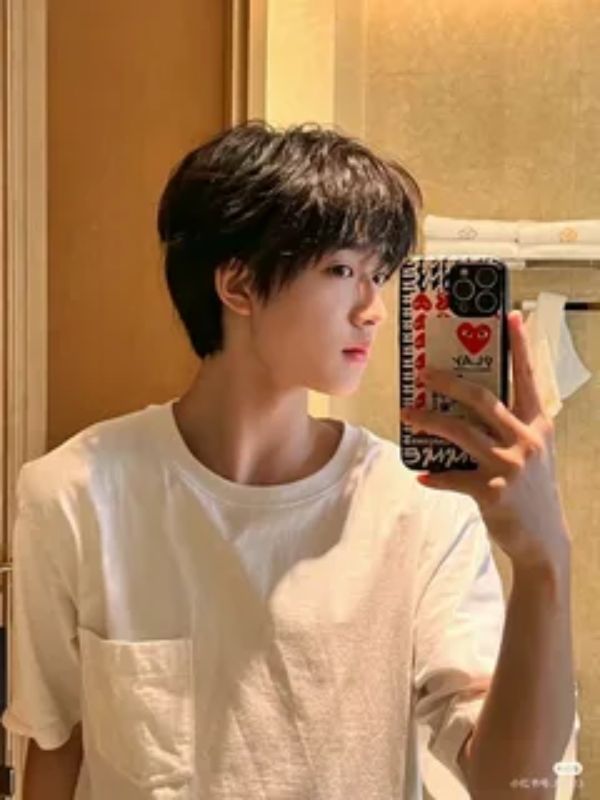
Heavy on texture and light on structure, the shaggy version uses point cutting to create uneven, feathered ends across the whole head for a relaxed, lived in look.
Middle Part Korean Mullet
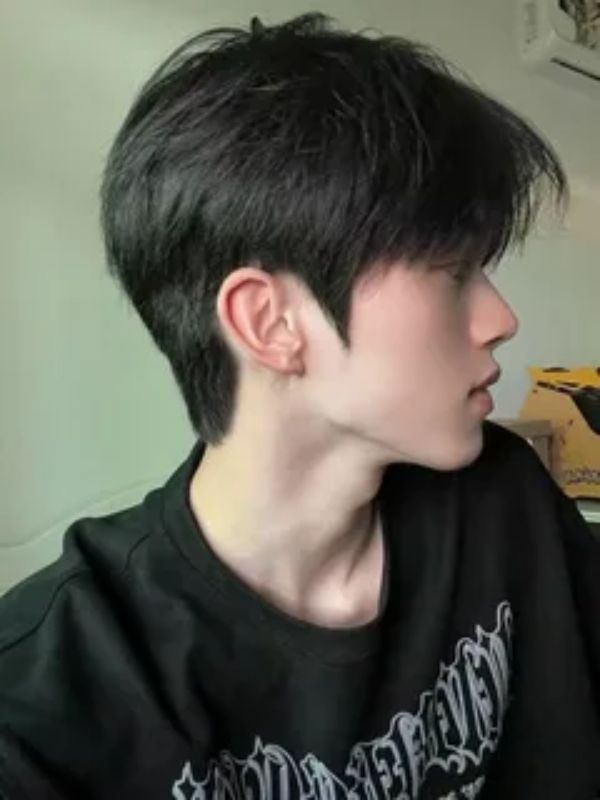
A middle part divides the top hair evenly, adding symmetry to the face while keeping the mullet’s signature length in the back. It’s a favorite among K pop inspired looks.
Fade Korean Mullet
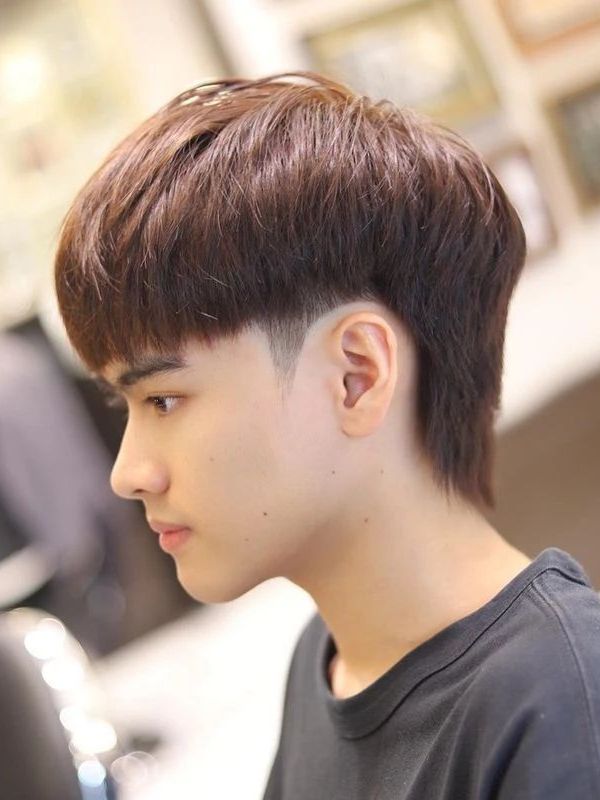
This version pairs a crisp skin fade with longer mullet layers on top, giving a sharper contrast for men who want more definition around the sides.
Long Korean Mullet
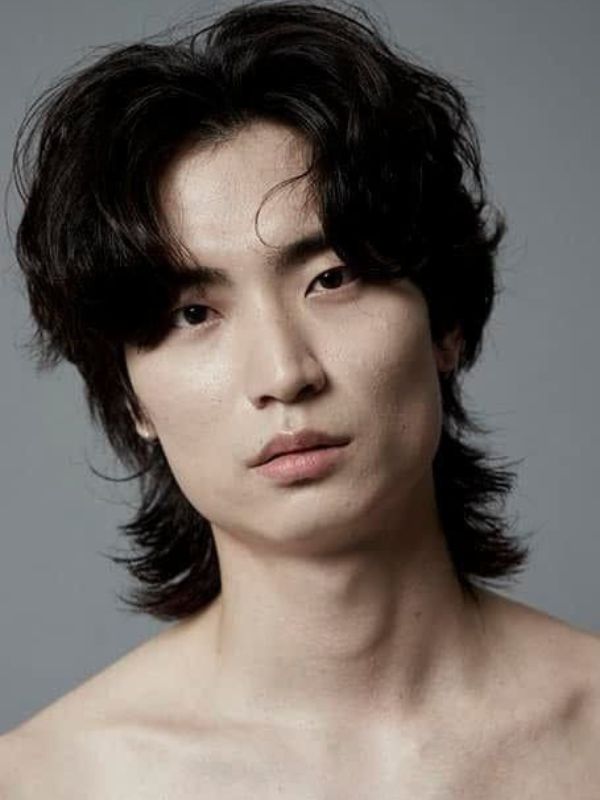
Built for men growing their hair out, this style keeps significant length both on top and in the back, resulting in a dramatic, flowing shape.
Feathered Korean Mullet

Feathered layers are cut to flick outward and upward, adding lift and a slightly retro, rockstar edge to the overall look.
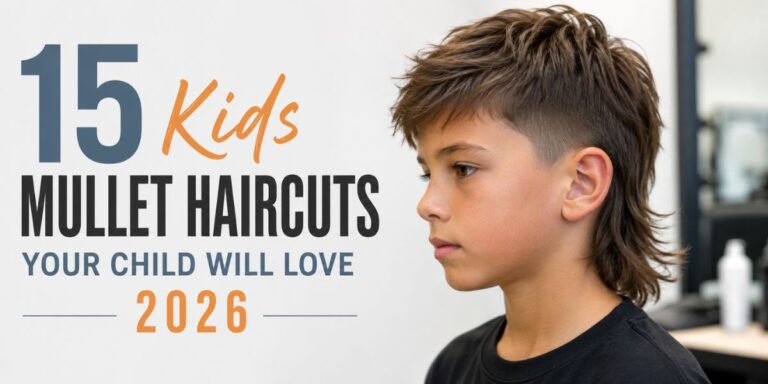
Mullet Haircut Korean Boy

A younger, low maintenance take suited for boys and teens. It keeps the sides neat and the back trimmed shorter, making it school and activity friendly while still nodding to the trend.
Best Face Shapes for Korean Mullets
Most Korean mullets are flexible, but certain variations flatter certain face shapes more than others.
| Face Shape | Recommended Style | Why It Works |
| Round | Two Block or Fade Korean Mullet | Adds height and angles that offset roundness |
| Square | Soft Layer or Curtain Bang Mullet | Softens strong jawlines |
| Oval | Almost any variation | Balanced proportions suit most cuts |
| Long | Curly or Shaggy Mullet | Horizontal volume shortens face length visually |
| Heart | Middle Part Mullet | Balances a wider forehead with fringe |
How to Ask Your Barber for a Korean Mullet
Walking in with the right words saves time and avoids miscommunication. Try requesting:
- Keep the top long with soft layers, not choppy.
- Taper or fade the sides only, nothing too aggressive.
- Leave extra length at the back for the mullet tail.
- Add texturizing or point cutting for movement.
- Show a reference photo since “Korean mullet” can mean different things by region.
How to Style a Korean Mullet
- Start with damp hair and a light volumizing spray at the roots.
- Blow dry the top forward first, then flick it back with your fingers.
- Use a round brush at the crown for lift if your hair is fine.
- Apply a small amount of texture clay or cream through the mid lengths and back.
- Avoid heavy gels, which flatten the natural movement this cut relies on.
Best Products for Korean Mullets
| Product Type | Purpose | Best For |
| Texture Clay | Adds grip and matte texture | Thick or coarse hair |
| Sea Salt Spray | Creates airy, beachy volume | Fine or straight hair |
| Light Hold Cream | Smooths flyaways without stiffness | Curly or wavy hair |
| Volumizing Mousse | Boosts root lift | Fine, flat hair |
| Texture Powder | Adds lift and grip at the crown | All hair types |
Korean Mullet vs Traditional Mullet
| Feature | Korean Mullet | Traditional Mullet |
| Overall Shape | Soft, blended, layered | Blunt, boxy, high contrast |
| Sides | Tapered or two block | Often left longer or unshaped |
| Styling | Textured, natural movement | Slicked or flat |
| Inspiration | K pop, K drama, street style | 70s and 80s rock culture |
| Maintenance | Regular trims for shape | Less frequent shaping needed |
Maintenance Tips for Korean Mullets
- Book a trim every four to six weeks to keep the fade or taper sharp.
- Deep condition weekly since layered ends dry out faster.
- Ask your barber to only trim the top and sides if you’re growing the back out.
- Brush through with a wide tooth comb before styling to prevent breakage.
- Rotate products seasonally, lighter formulas in summer, richer creams in winter.
Common Korean Mullet Mistakes
- Skipping reference photos and assuming your barber pictures the same cut you do.
- Overusing gel, which kills the soft, natural texture that defines this style.
- Letting the back grow unevenly without regular shape ups.
- Choosing a heavy fade when your hair type needs softness, not contrast.
- Not accounting for face shape before picking a specific variation.
Final Thoughts
The Korean mullet earns its spot as one of 2026’s standout men’s hairstyles because it balances boldness with wearability. Whether you go for a sharp two block fade or a soft, shaggy layer cut, the key is matching the style to your hair type and face shape, then keeping up with regular trims.
Bring a clear reference photo to your next barber visit, and you’ll walk out with a cut that feels current, personal, and easy to style every day.

Anderson is a dedicated writer and content creator who enjoys sharing informative and engaging articles across a variety of topics. Through his writing, he aims to provide readers with valuable insights, fresh ideas, and easy-to-understand content every day.