
The Ultimate 2026 Guide to Styles, Maintenance & Expert Barber Tips of Low Taper Fade Afro
Few haircuts blend natural texture with sharp precision the way a low taper fade afro does. It keeps the volume and personality of an afro on top while the sides fade quietly into the skin, giving you a look that feels both effortless and deliberate at the same time.
Barbers across the world are seeing more requests for this cut in 2026 than almost any other textured style, and it is easy to understand why.
This guide walks through everything you need to know before your next barber visit. You will learn what the cut actually is, how it compares to other textured haircuts, which face shapes it flatters, how to style it day to day, and how to keep it fresh between appointments.
Whether you have thick coily hair, loose curls, or you are choosing this style for your son, this article covers it all in plain, practical language.
What Is a Low Taper Fade Afro? Breaking Down the Cut
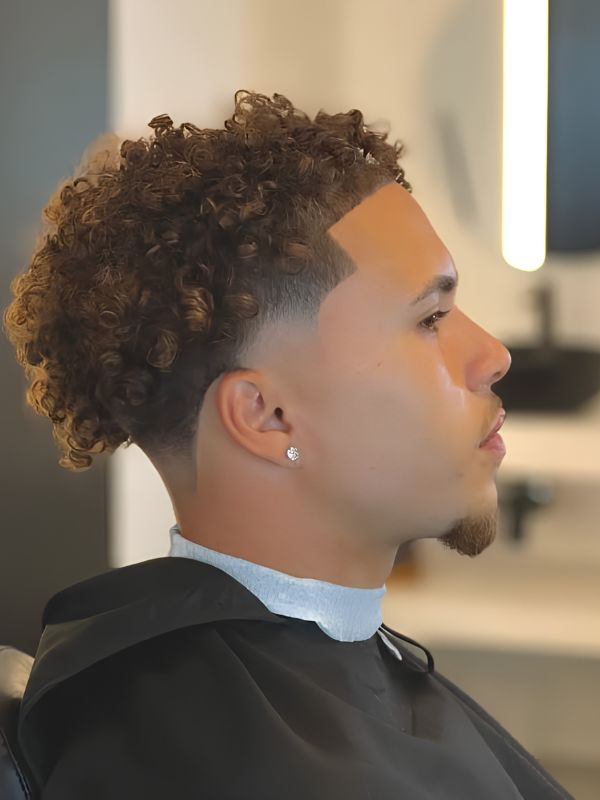
A low taper fade afro is a haircut where the top is left full and rounded in a classic afro shape, while the sides and back gradually shorten near the hairline and neckline.
The word low simply tells the barber where the fade should start. Instead of climbing up near the temples like a high fade, the blend begins close to the ears and the nape, leaving more length on the sides for a softer transition.
The result is a haircut that reads as natural and grown out on top, but tidy and groomed around the edges. It suits afro textured hair, curly hair, and coily hair particularly well because the top section relies on natural volume rather than heavy styling.
Key features of the cut
- The top stays full, rounded, and untouched by clippers
- The fade sits low, usually starting just above the ear and along the nape
- The transition between long and short hair is gradual, not sharp
- Edges and hairline are usually cleaned up with a line up for definition
- Works with or without a beard for a complete grooming look
Textured Haircuts Men Are Choosing in 2026
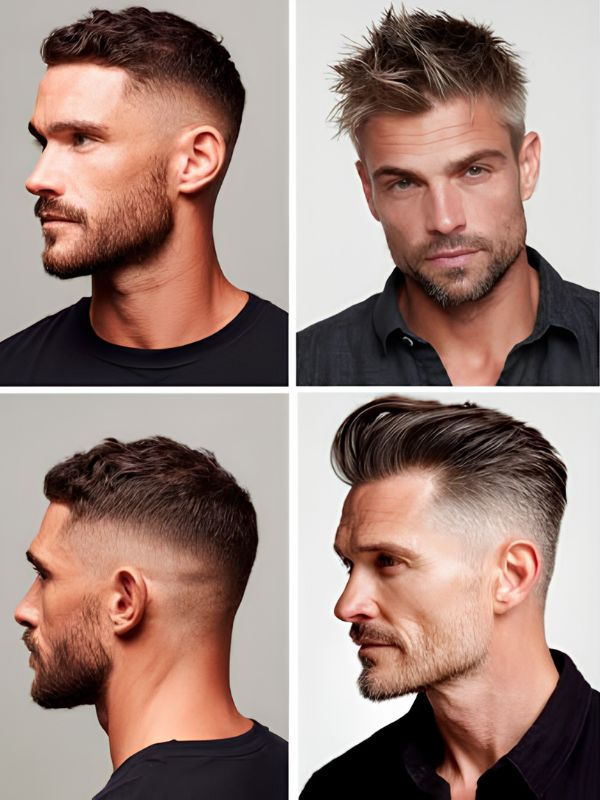
Men with curly, coily, or wavy hair have more options today than a plain buzz cut or a basic crop. Textured haircuts men request most often this year include the afro fade, the curly crop, the twist out, and the classic afro puff paired with a fade.
What connects all of these looks is that they work with the natural pattern of the hair instead of fighting it.
A low taper fade afro fits into this broader trend because it celebrates texture rather than hiding it. Where older trends pushed for slicked down or heavily gelled styles, the current direction favors natural curl definition, soft volume, and clean grooming only where it is needed, meaning the sides and hairline.
Popular textured cuts often paired with a low taper include:
| Style Pairing | Best For | Maintenance Level |
| Afro with line up | Sharp, classic look | Medium |
| Afro with beard fade | Bold, mature style | Medium to High |
| Twist out on top | Textured, artistic finish | High |
| Curl sponge afro | Defined coils, everyday wear | Low to Medium |
| Big afro low taper | Maximum volume statement | Low |
What Does the Low Taper Fade Look Like?
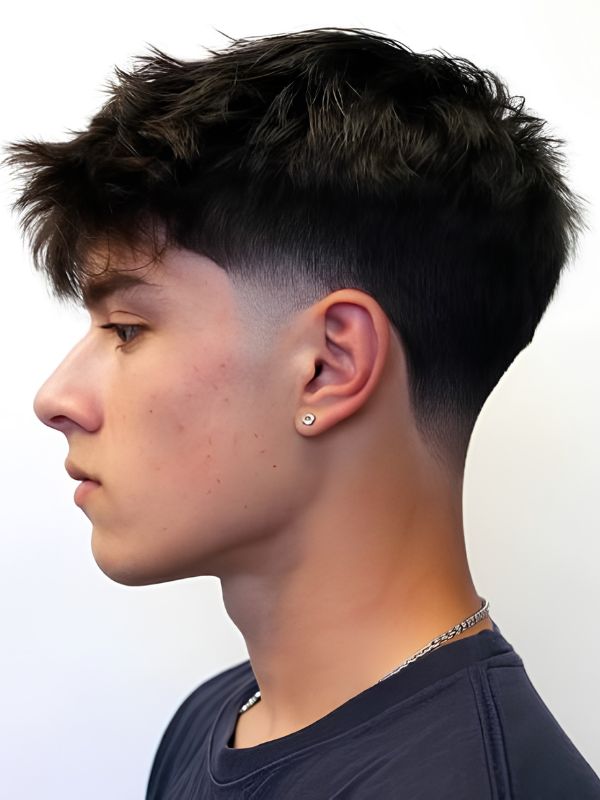
Picture the hair on top sitting anywhere from one to three inches tall, rounded or slightly boxed at the crown, then softly blending down the sides.
By the time the clippers reach the ear and the base of the neck, the hair is trimmed close to the scalp, often down to a skin or near skin finish depending on preference.
There is no harsh line where the fade begins. A skilled barber blends the lengths using a series of clipper guards, moving from a longer guard near the top of the fade to a shorter one closer to the skin. From a distance, the haircut looks like a neat afro. Up close, you can see the careful gradient of the fade doing the work.
Common visual markers of a well cut low taper fade afro include:
- A rounded or square silhouette on top depending on hair density
- A visible but soft gradient along the sides, not a stark line
- A clean, sharp hairline at the front
- Tapered sideburns that connect smoothly to the fade
- A neat nape line at the back of the neck
Also Read This: Low Taper Fade Buzz Cut: The Trending Men’s Hairstyle Everyone Wants in 2026
Men’s Haircut Side Part Options With a Low Taper

Not every low taper fade afro has to be perfectly round. A side part version brings a more polished, formal edge to the cut while keeping the fade on the sides untouched.
This works especially well for men with slightly looser curl patterns who want a defined part line running through the top section.
To get this look, the barber uses a comb and clippers or shears to carve a thin, clean line on one side of the head, then styles the rest of the top away from that line using a light hold cream. It pairs beautifully with office environments, interviews, or any setting where a slightly more buttoned up appearance is preferred, while the low taper on the sides still keeps things modern and fresh.
Reasons men choose the side part variation:
- It adds structure to looser curl patterns
- It photographs well for professional headshots
- It transitions easily between casual and formal settings
- It gives barbers a clear guide when trimming the top
Why the Low Taper Fade Afro Rules 2026 Hairstyles
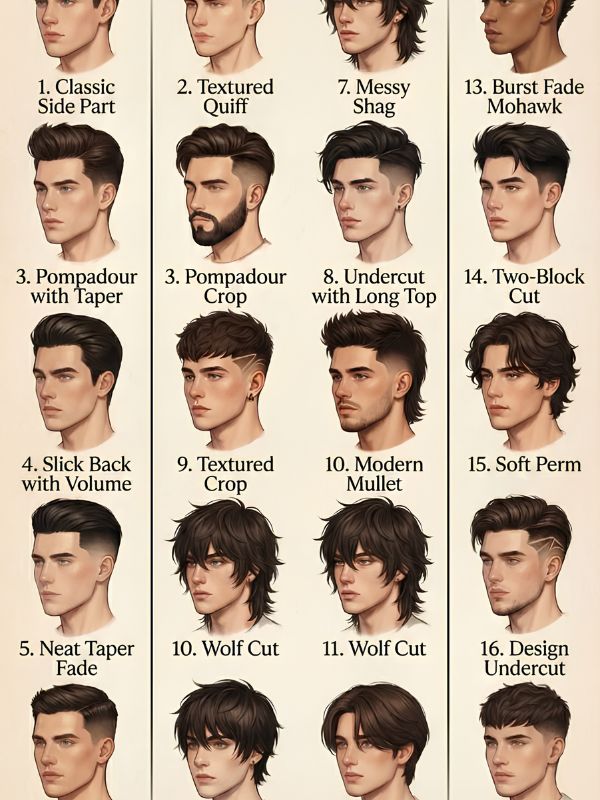
Trends move quickly in men’s grooming, yet the low taper fade afro has held its place at the top for several seasons running. A few reasons explain why it continues to dominate search interest and barbershop requests this year.
First, it works with natural hair instead of against it, which fits the wider shift toward embracing texture rather than chemically or heavily styling it away. Second, it is genuinely versatile.
The same base cut can be dressed up with a beard, a design, a part, or simply left natural for an everyday look. Third, it flatters a wide range of face shapes and hair densities, which is rare among trending cuts.
There is also a practical side. Compared to fully shaved styles, the afro top requires less frequent full head cuts, while the low fade still needs regular touch ups to stay sharp. This balance between low effort on top and structured sides appeals to busy men who still want a groomed appearance.
Face Shape Guide: Does Low Taper Fade Afro Suit You?

One of the most common questions men ask before committing to this cut is whether it will actually suit their face. The good news is that the low taper fade afro is one of the more forgiving styles because the volume on top can be adjusted to balance almost any face shape.
| Face Shape | Recommended Top Shape | Barber Tip |
| Round | Slightly taller, more angular top | Avoid excess width on the sides |
| Square | Rounded, softer afro shape | Soften the jawline with curve |
| Oval | Most shapes work well | Keep proportions balanced |
| Long | Wider, fuller top with less height | Avoid adding extra height |
| Heart | Fuller top with tapered chin area | Balance a narrower chin with volume up top |
| Diamond | Rounded top with soft sides | Reduce sharp angles near cheekbones |
A quick rule many barbers follow is that added height on top elongates the face, while added width balances a narrower or longer face shape. Bringing a reference photo to your appointment and discussing your face shape openly with your barber will always give the most accurate, personalized result.
How to Get the Perfect Low Taper Fade Afro: Step by Step

Getting a crisp result comes down to communication with your barber and understanding the process yourself. Here is what typically happens during an appointment.
- Consultation. The barber checks your natural hair density, curl pattern, and growth direction, then discusses how low you want the fade and how full you want the top.
- Sectioning. Hair is divided so the barber can work methodically from the bottom of the fade upward.
- Fading the sides. Using a clipper with graduated guards, the barber blends from skin near the ear and nape up toward the top section.
- Shaping the top. Shears or an afro pick are used to shape the top into a rounded, boxed, or natural silhouette depending on your preference.
- Line up. The front hairline and sideburns are sharpened using a trimmer for crisp edges.
- Final blend check. The barber checks the transition zones under bright light to remove any visible lines.
What to tell your barber
Being specific saves time and avoids disappointment. Useful phrases include:
- Please keep the fade low, starting near my ear
- I want my top left natural, not cut too short
- Blend it gradually, I do not want a hard line
- Add a line up around my hairline only
Styling Your Low Taper Fade Afro: Products & Daily Routine

A great haircut only looks its best with the right daily care. Because the top relies on natural curl pattern, the goal of styling is usually definition and moisture rather than heavy hold.
Recommended products
| Product Type | Purpose | How Often |
| Curl cream | Defines curls, reduces frizz | Daily |
| Leave in conditioner | Adds moisture, softens strands | Daily or every other day |
| Light oil or serum | Adds shine, seals moisture | 2 to 3 times per week |
| Sponge or afro pick | Adds volume and texture | Daily |
| Light hold pomade | For side part or sleek finishes | As needed |
Simple daily routine
- Lightly mist hair with water or a leave in spray to reactivate curls
- Apply a small amount of curl cream, working from roots to ends
- Use a curl sponge in circular motions if you want defined coils
- Fluff gently with an afro pick for volume, or pat down for a tighter look
- Finish with a touch of light oil for shine
Avoid overloading the hair with heavy gels or waxes on top, since this can weigh down the natural volume that makes the afro shape look full and healthy.
Maintenance Schedule for a Crisp Low Taper Fade Afro
The fade is the part of this haircut that grows out fastest, since the hair near the skin becomes noticeable again within days. The top, by contrast, can be left to grow for weeks without losing the overall shape.
| Maintenance Task | Suggested Frequency |
| Fade touch up | Every 1 to 2 weeks |
| Line up refresh | Every 1 to 2 weeks |
| Full haircut and reshape | Every 4 to 6 weeks |
| Deep conditioning treatment | Every 1 to 2 weeks |
| Trim split ends on top | Every 6 to 8 weeks |
Booking a standing appointment with your barber every two weeks is the easiest way to keep the fade looking sharp without letting it grow out into an uneven blend.
Common Mistakes & Fixes for Low Taper Fade Afro
Even a great haircut can look off if a few small details are missed. Here are frequent problems and how to correct them.
- Fade grows out unevenly. Fix this by scheduling touch ups every one to two weeks rather than waiting a full month.
- Top looks flat or lifeless. This usually means the hair is dry. Add a leave in conditioner and use a pick to lift the roots.
- Hard line visible between fade and top. Ask your barber to blend using more clipper guards for a gradual transition instead of a sudden jump.
- Curls look frizzy instead of defined. Switch from a dry styling routine to applying products on damp hair for better curl clumping.
- Hairline looks patchy. A skilled barber can shape around natural growth patterns rather than forcing a perfectly straight line that does not suit your hairline.
The Confidence Boost: Science Behind the Cut
Grooming has a documented link to how people feel about themselves in social and professional settings. Research in psychology has repeatedly shown that personal appearance, including hairstyle, affects self perception and how confidently a person carries themselves in daily interactions.
A clean, well maintained haircut signals attention to detail, which often translates into how others perceive competence and approachability.
For many men, a low taper fade afro represents a middle ground. It is polished enough for professional settings thanks to the crisp fade and line up, yet expressive enough on top to reflect personal style and natural texture. This combination of structure and individuality is part of why the cut has such a strong emotional pull, beyond simply following a trend.
Seasonal Tweaks for Your Low Taper Fade Afro
Hair behaves differently depending on humidity, heat, and cold, so adjusting your routine season by season keeps the cut looking its best year round.
| Season | Adjustment |
| Summer | Use lighter products to avoid heaviness in humidity, keep fade slightly shorter |
| Winter | Increase moisture with deeper conditioning to fight dryness from cold air and indoor heating |
| Spring | Refresh curl definition weekly as humidity rises |
| Rainy season | Use anti frizz serums and protective styles like twists if needed |
In hotter, more humid climates, many men also request a slightly shorter top to reduce the chances of the afro puffing up excessively throughout the day.
Kids, Teens & Women’s Low Taper Fade Afro
This haircut is not limited to adult men. It has become increasingly popular among boys, teenagers, and women who want a bold, textured look with easy upkeep.
For kids and teens
Barbers typically recommend keeping the fade slightly higher and softer for younger boys, since scalp sensitivity and growth patterns can differ from adults. A shorter top is also easier for parents to manage on busy school mornings.
For women
Women embracing natural hair have adopted the low taper fade afro as a bold styling choice, often pairing a fuller, more rounded afro on top with a subtly faded side. This version celebrates natural curl pattern while still offering a groomed, intentional silhouette.
Key considerations across age groups:
- Kids benefit from shorter maintenance cycles since hair grows faster at younger ages
- Teens often prefer added detailing like line ups or simple designs
- Women’s versions frequently keep more volume and height on top for a statement look
- All versions rely on the same core technique, a low, gradual fade paired with natural top texture
Low Taper Fade Afro vs Other Popular Fades
Choosing the right fade height changes the entire feel of a haircut, even when the top stays exactly the same. Understanding how a low taper compares to mid and high fades helps you explain your preference clearly at the barbershop.
| Fade Type | Starting Point | Overall Look | Best For |
| Low taper fade | Near the ear and nape | Soft, subtle, natural | Conservative or professional settings |
| Mid taper fade | Above the ear, midway up the head | Balanced, versatile | Everyday casual to semi formal looks |
| High taper fade | Near the temple | Bold, sharp contrast | Statement styles, younger crowds |
| Skin or bald fade | Varies, fully bare at the base | Maximum contrast | Men wanting a striking, modern finish |
A low taper fade keeps more length on the sides, which means the afro on top blends into a fuller silhouette overall. This makes it a gentler introduction to fade haircuts for men who are used to a more traditional afro and are not ready for a dramatic contrast between the top and sides.
Choosing the Right Barber for a Low Taper Fade Afro
Not every barber has equal experience cutting textured hair, so a bit of research before booking pays off. Look for a barber who regularly posts photos or videos of afro fades, curly cuts, and coily hair work in their portfolio, since this signals real, hands on experience with your hair type.
During a consultation, a knowledgeable barber will typically ask about your curl pattern, how your hair responds to different lengths, and how you plan to style it day to day. They should also be comfortable explaining their approach, including which clipper guards they intend to use and how they plan to blend the fade into the top.
A few signs you have found a barber experienced with textured cuts:
- They ask detailed questions about your hair type and growth pattern
- Their portfolio includes multiple afro and curly fade examples
- They explain the blending process rather than rushing through it
- They check the fade under different lighting before finishing
- They offer aftercare advice specific to curly or coily hair
Growing Out or Transitioning Away From the Cut
At some point you may want to grow your hair longer, switch styles, or simply let the fade grow out between appointments. Handling this transition well keeps your hair healthy and avoids an awkward, patchy look during the growth phase.
During the growing out period, keep the sides trimmed lightly every few weeks rather than skipping haircuts entirely. This prevents an uneven, overly bushy appearance on the sides while the top continues to gain length and volume. Deep conditioning becomes especially important during this stage, since longer hair is more prone to dryness and breakage if it is not properly moisturized.
If you plan to transition into a different style entirely, such as locs, twists, or a fully grown out afro without a fade, talk to your barber early. They can adjust the shape of your current cut gradually so the change feels intentional rather than sudden.
Conclusion
The low taper fade afro has earned its place as one of the standout haircuts of 2026 because it manages to be both low effort and high impact at the same time. It respects natural texture on top while giving the sides a clean, structured finish that works across nearly every face shape, age group, and lifestyle.
Whether you are booking your first appointment or refining a cut you already love, the details matter most. Communicate clearly with your barber, stick to a consistent maintenance schedule, and adjust your product routine with the seasons. Get those elements right, and this haircut will keep delivering a sharp, confident look appointment after appointment.

Anderson is a dedicated writer and content creator who enjoys sharing informative and engaging articles across a variety of topics. Through his writing, he aims to provide readers with valuable insights, fresh ideas, and easy-to-understand content every day.